Indie Rock

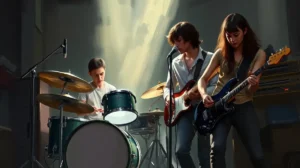
Indie RockIndie rock emerged in the early to mid-1980s in the UK, US, and New Zealand, originally referring to rock music released by independent labels before evolving into a distinct genre. Its roots lie in the jangly, melodic Dunedin sound of bands like the Chills and the Clean, as well as early college rock staples like the Smiths and R.E.M. The genre solidified with the UK’s *NME* C86 cassette and the underground rise of Sonic Youth, Dinosaur Jr., and Unrest in the US. By the late 1980s and early 1990s, indie rock expanded with bands like the Pixies and Radiohead signing to major labels, while subgenres such as slowcore, Midwest emo, and shoegaze took shape.
The mainstream success of grunge and Britpop in the ’90s drew attention to indie rock, creating a divide between radio-friendly acts and more experimental artists, ultimately shifting “indie” from a label-based definition to a stylistic one. In the 2000s, the genre resurged through the garage rock and post-punk revival, led by the Strokes and the Libertines, with later success from Bloc Party, Arctic Monkeys, and the Killers, leading to the “landfill indie” wave that oversaturated the market.

  • Kings Of Leon

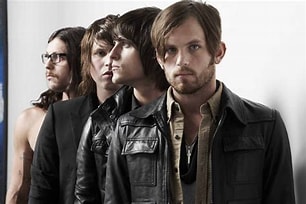
    Like countless musicians, Caleb, Nathan and Jared Followill earned their musical chops playing in church. Only when their father left the ministry did the Followill’s, along with their cousin Matthew, discover Led Zeppelin, Tom Petty and Rolling Stones. Interestingly, those influences did not dominate. Rather, the Followill’s honed a roots/rustic style that was, in part,…
  • Jet

    With a touch of AC/DC, a dose of The Ramones and a shot of classic Stones, Jet is closest to The Pretenders. But they are far more than the collective sum of their influences. Guitarist/vocalist Nic Cester and his younger brother, drummer Chris, ceaselessly listened to their parent’s Rock records. Reacting negatively to early ’90s…

  • | |

    Franz Ferdinand – The Human Fear

    The Human Fear finds Franz Ferdinand dancing with dread, not reinvention. Slick grooves meet simmering tension as new blood revives their swagger. Not flawless, but when it hits, it crackles—fear you can move to, charm with sharp edges.

  • |

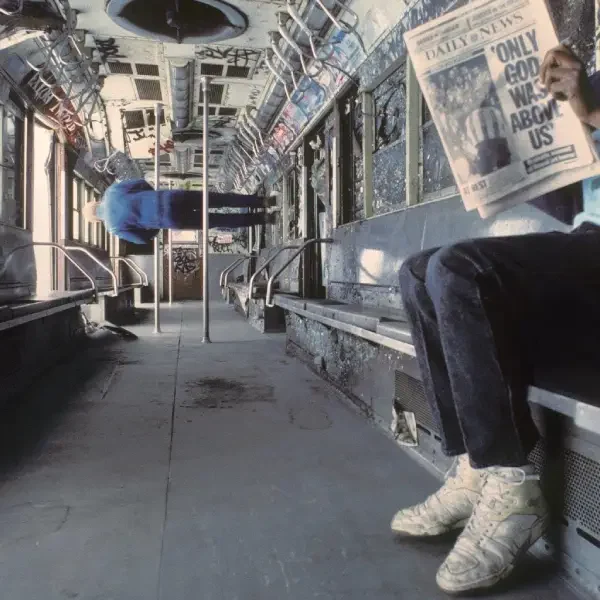
    Vampire Weekend – Only God Was Above Us

    A moody, slow-burning turn inward. This is cluttered beauty, not clean charm. Less sparkle, more smog. Hooks linger instead of leap. No flash, just depth. A band aging with grit and grace, trading answers for atmosphere. It doesn’t shout—it simmers.

  • | |

    Corey Taylor – CMF2

    Corey Taylor’s CMF2 is a fiery, unfiltered blast of rage, heart, and swagger. Jumping from barroom brawls to tender ballads, it’s chaotic in the best way—raw, real, and relentless. No mask, no filter—just Taylor burning it all down.

  • | |

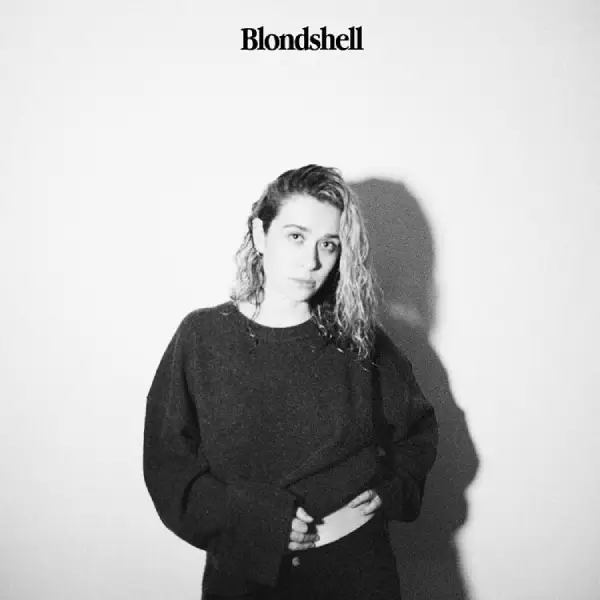
    Blondshell – Blondshell

    Blondshell refines soft grunge into fuzzed riffs, steady grooves, and stark lyrical delivery. The album balances grit and melody, shaping confession into compact, hook-driven songs. Direct, unvarnished, and confidently grounded in distortion and truth.

  • | | |

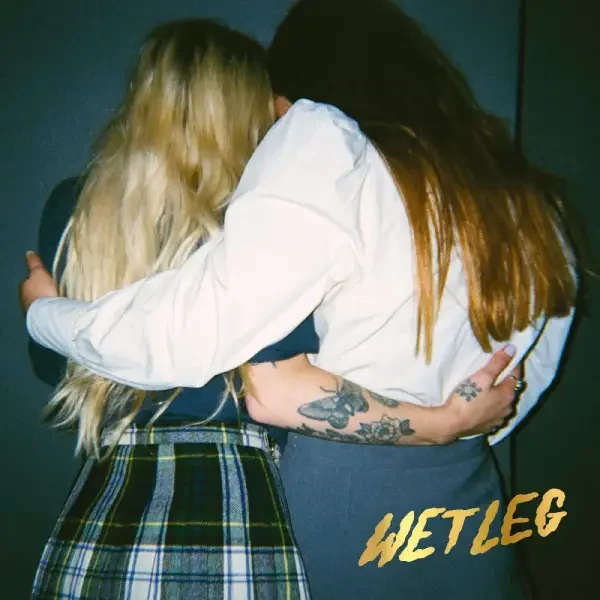
    Wet Leg – Wet Leg

    A messy, bratty, and irresistibly fun debut built on deadpan charm, sharp hooks, and post-punk swagger. It’s lo-fi, loud, and laced with sarcasm—like turning boredom into a dance party you didn’t know you needed. Unbothered, clever, and oddly sincere.

  • |

    Black Country, New Road – Ants from Up There

    A raw, ambitious rock album built from swelling arrangements, emotional strain, and patient songwriting. The band turns repetition and open-ended structures into charged statements. Each track expands on the last, forming a portrait of longing rendered with fearless clarity.

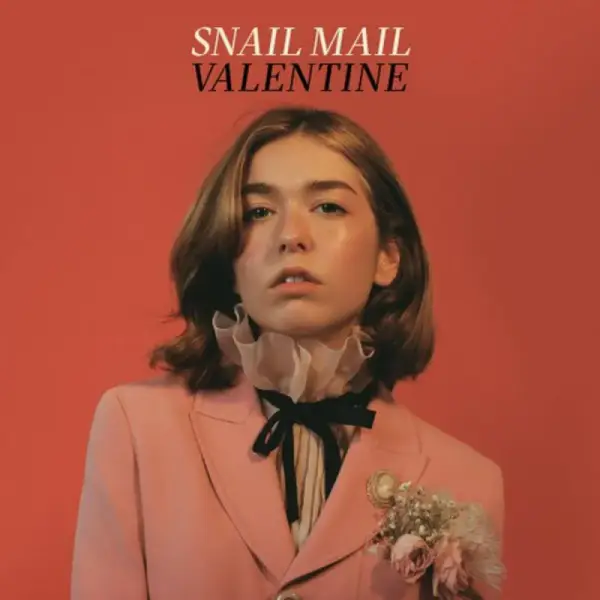
  • Snail Mail – Valentine

    Valentine turns heartbreak into a controlled detonation—tender, volatile, and exact. Lindsey Jordan threads vulnerability through distortion and silence, turning confession into confrontation, and leaves behind a record that aches long after the final note fades.