Indie Rock

Indie RockIndie rock emerged in the early to mid-1980s in the UK, US, and New Zealand, originally referring to rock music released by independent labels before evolving into a distinct genre. Its roots lie in the jangly, melodic Dunedin sound of bands like the Chills and the Clean, as well as early college rock staples like the Smiths and R.E.M. The genre solidified with the UK’s *NME* C86 cassette and the underground rise of Sonic Youth, Dinosaur Jr., and Unrest in the US. By the late 1980s and early 1990s, indie rock expanded with bands like the Pixies and Radiohead signing to major labels, while subgenres such as slowcore, Midwest emo, and shoegaze took shape.
The mainstream success of grunge and Britpop in the ’90s drew attention to indie rock, creating a divide between radio-friendly acts and more experimental artists, ultimately shifting “indie” from a label-based definition to a stylistic one. In the 2000s, the genre resurged through the garage rock and post-punk revival, led by the Strokes and the Libertines, with later success from Bloc Party, Arctic Monkeys, and the Killers, leading to the “landfill indie” wave that oversaturated the market.

  • |

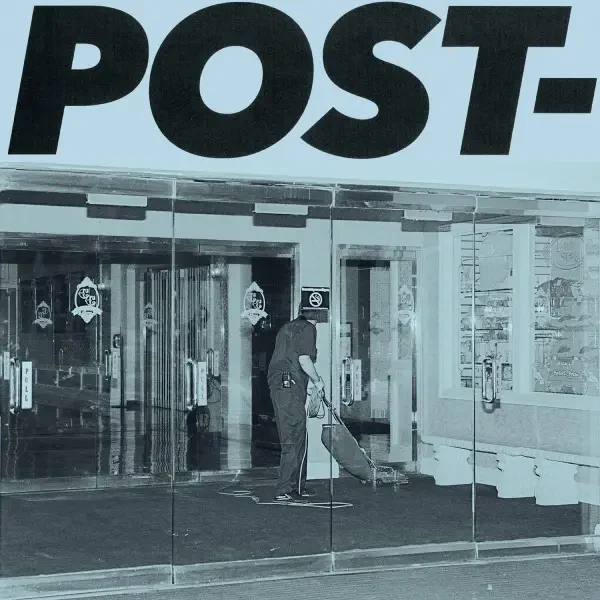
    Jeff Rosenstock – Post-

    Post- channels chaos into solidarity, balancing exhaustion with noisy grace. Jeff Rosenstock transforms burnout into movement, using distortion and heart to document the uneasy hope of a restless generation. Every shout feels like a shared breath of survival.
  • |

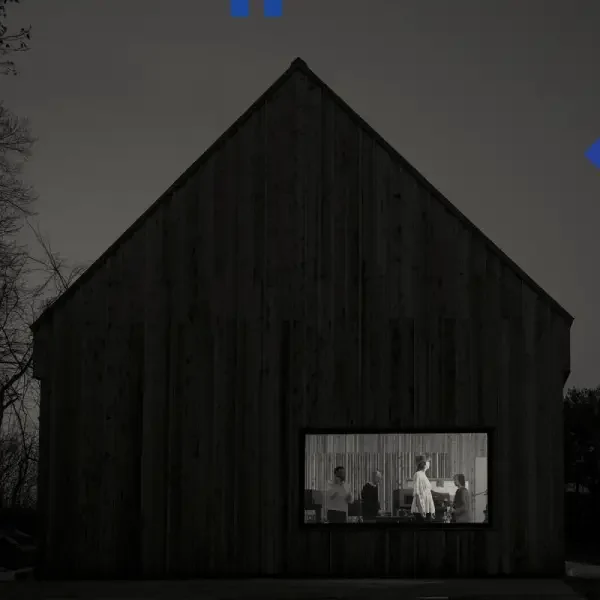
    The National – Sleep Well Beast

    Sleep Well Beast is a slow-burning descent into intimacy and unease, where exhaustion becomes poetry and patience turns into revelation. Its shadows carry more weight than its noise, making it one of the band’s most hauntingly absorbing works.

  • |

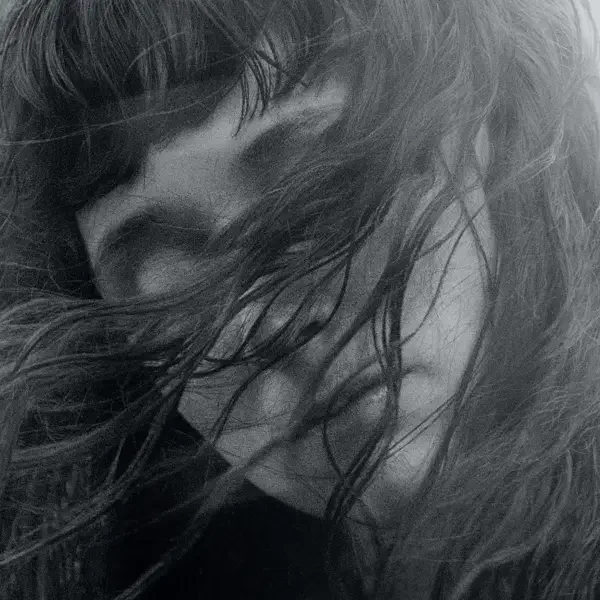
    Waxahatchee – Out in the Storm

    Out in the Storm is a document of self-preservation—loud, vulnerable, and utterly human. Waxahatchee doesn’t offer closure. Katie Crutchfield offers truth. And it stings in all the best ways. It’s louder than her past records, but the volume doesn’t hide a thing.

  • |

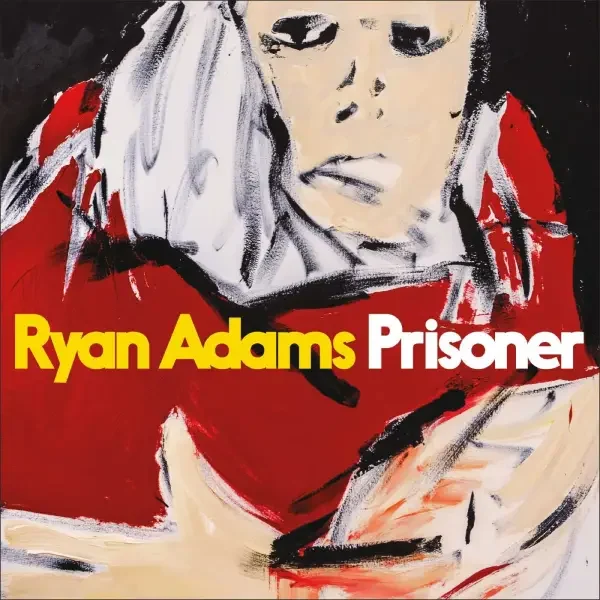
    Ryan Adams – Prisoner

    The album moves through sorrow with electric restraint, shaping each track around worn guitars and emotionally direct vocals. Its pacing stays steady, its tone stays bruised, and its songs linger in the air like unresolved questions that refuse to fade.

  • Angel Olsen – My Woman

    Angel Olsen – My Woman Angel Olsen’s My Woman feels like a record that refuses to be boxed in. It stretches, bends, and fractures, holding contradictions without ever trying to resolve them. There’s fire in the performances, but also a kind of weary tenderness, as if every line is sung while balancing on a wire…

  • |

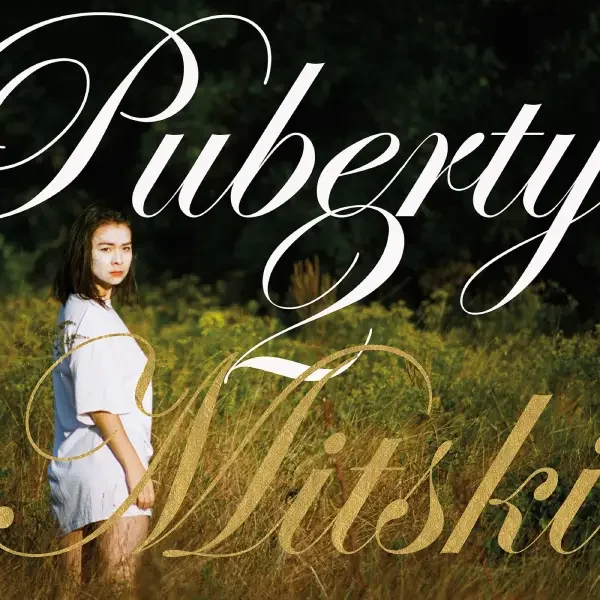
    Mitski – Puberty 2

    The magic in Puberty 2 lies in how contradictions coexist. There’s fuzzed-out distortion slamming up against dainty melodies. Violence and sweetness collide in lines that land like punches wrapped in lace. Mitski’s voice can sound detached one second, then bloodletting the next.

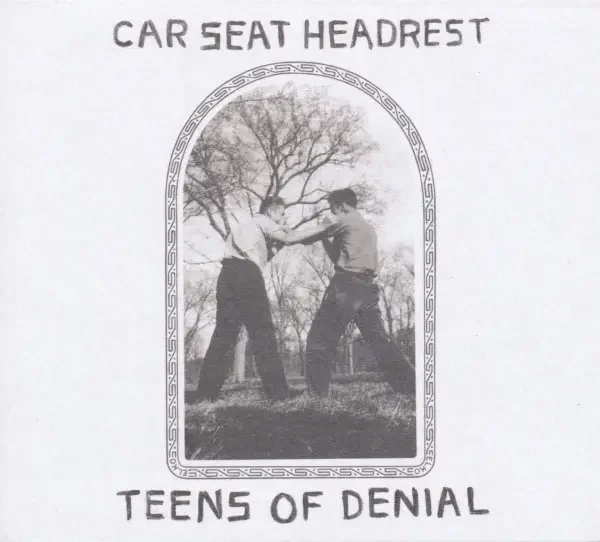
  • Car Seat Headrest – Teens of Denial

    Teens of Denial is Will Toledo’s messy, brilliant letter to himself—funny, anxious, and loud. It’s raw indie rock turned catharsis, where imperfection hits harder than polish, and every awkward shout feels like a personal victory.

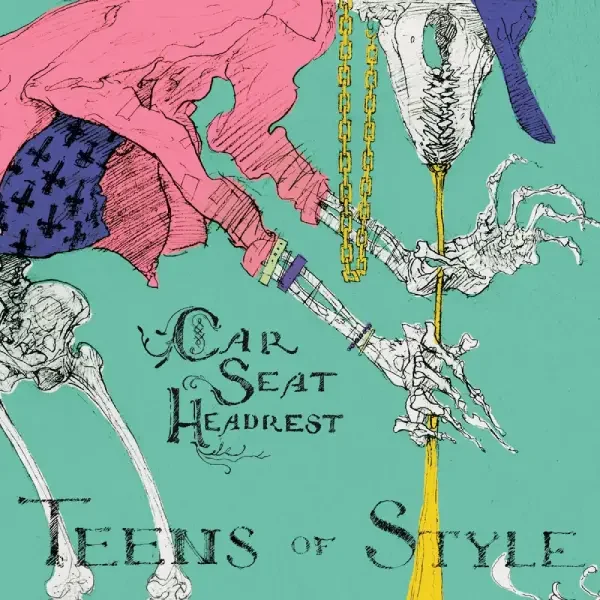
  • Car Seat Headrest – Teens of Style

    Teens of Style thrives on its ragged immediacy. Toledo leans into imperfection, letting cracked vocals and messy riffs define the album’s voice. The record feels instinctive, restless, and alive, capturing urgency without polish and honesty without disguise.

  • | |

    Blur – The Magic Whip

    Moody, neon-lit, and quietly haunting, this reunion drifts through dub, synth, and post-punk like a band ghosting its own past. Reflective, restrained, and razor-sharp, it whispers rather than shouts—and somehow lands even deeper because of it.