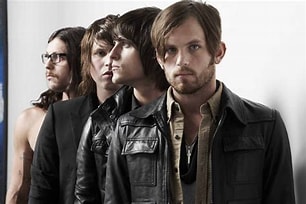
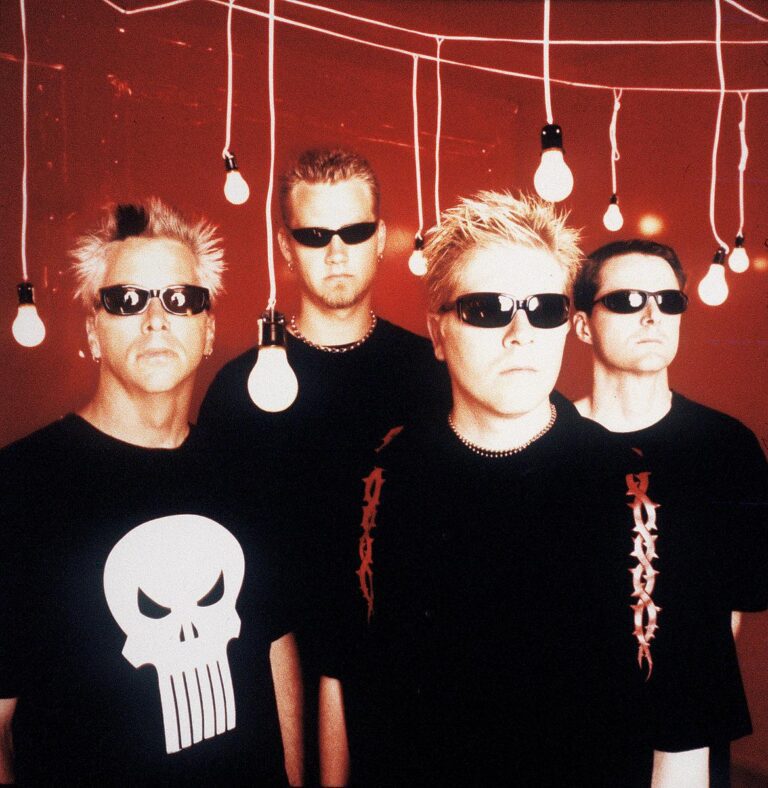
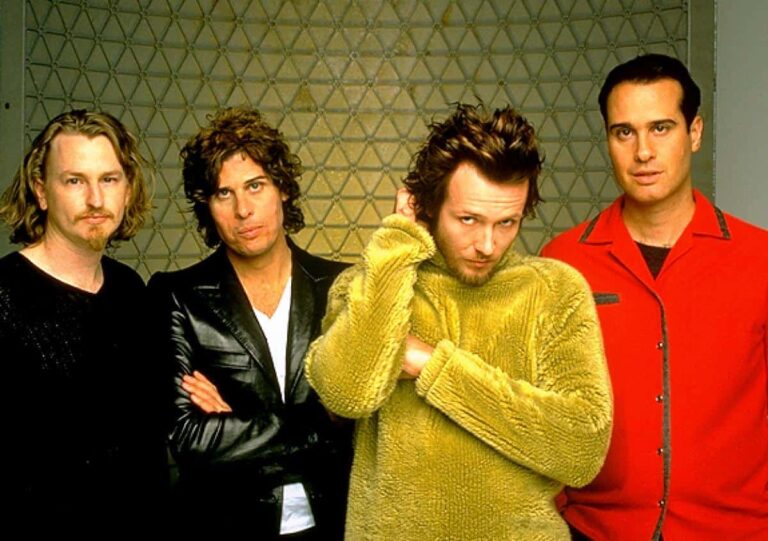
 Alternative rock emerged in the 1980s as a rebellious counterpoint to mainstream rock, blending the raw energy of punk with experimental sounds that defied easy categorization. Rooted in underground movements, it gained traction through college radio stations and independent labels, fostering a diverse range of bands that rejected the polished production and commercialism of arena rock. Groups like R.E.M., The Smiths, and Pixies laid the groundwork, creating music that was introspective, jagged, and often infused with a DIY ethos. By the early 1990s, alternative rock exploded into the mainstream, with Nirvana’s Nevermind serving as a watershed moment that brought the genre to millions and paved the way for a new era of rock music.
Muse – The Wow! Signal
Muse – The Wow! Signal The Wow! Signal lands squarely in progressive rock, a style that gives grand ideas room to stretch across shifting arrangements, dramatic dynamics, and larger-than-life themes. Muse embrace that freedom with complete commitment. Massive guitar riffs collide with orchestral flourishes, electronic pulses, choir passages, and cinematic transitions. The songs move through…