
 Alternative rock emerged in the 1980s as a rebellious counterpoint to mainstream rock, blending the raw energy of punk with experimental sounds that defied easy categorization. Rooted in underground movements, it gained traction through college radio stations and independent labels, fostering a diverse range of bands that rejected the polished production and commercialism of arena rock. Groups like R.E.M., The Smiths, and Pixies laid the groundwork, creating music that was introspective, jagged, and often infused with a DIY ethos. By the early 1990s, alternative rock exploded into the mainstream, with Nirvana’s Nevermind serving as a watershed moment that brought the genre to millions and paved the way for a new era of rock music.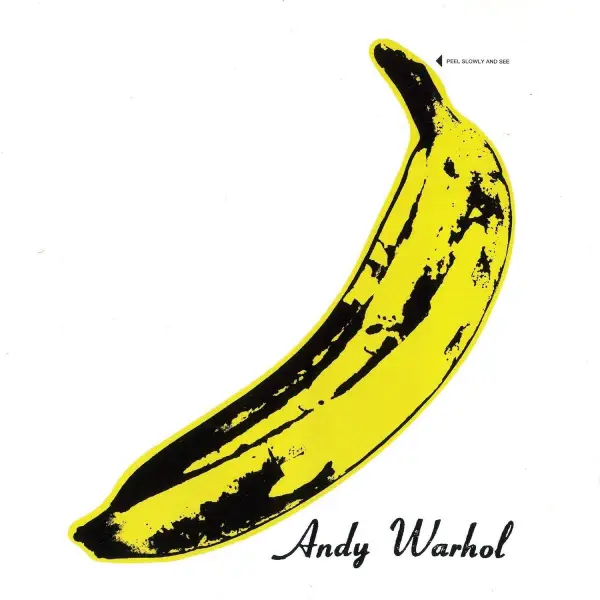
Acid Rock | Alternative Rock | Art Rock | Experimental Rock | Garage Rock | Proto-Punk | Psychedelic Rock
The Velvet Underground & Nico – The Velvet Underground & Nico
The Velvet Underground & Nico delivers stark songwriting through mood, repetition, and emotional clarity. The album’s power rests in its discipline and resolve, presenting desire, detachment, and tension without concession or ornament.