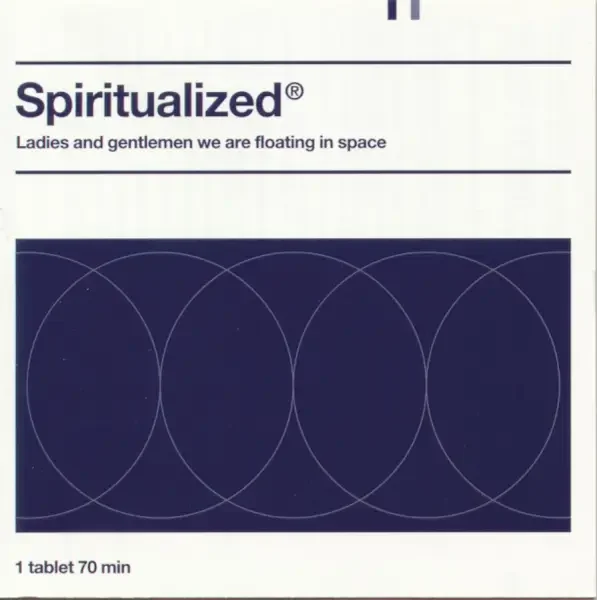
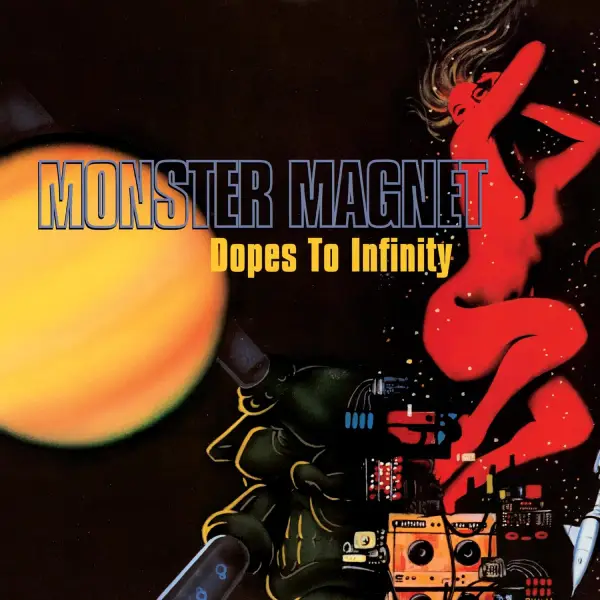
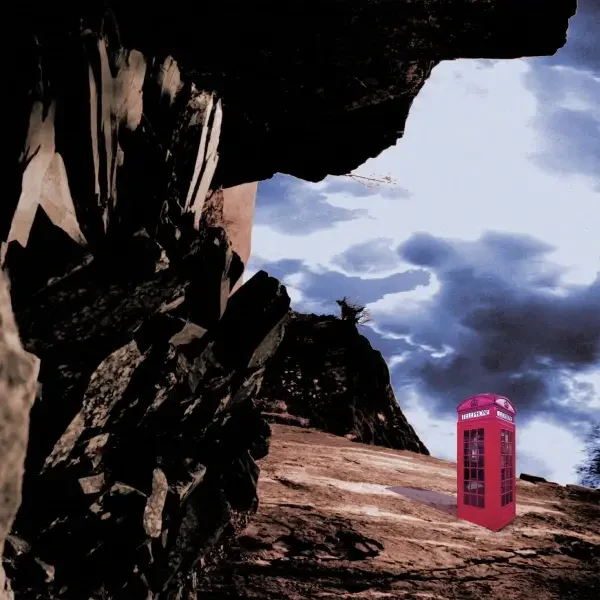
 Space rock drifts on waves of delay, feedback, and slow-burning momentum. It’s less about hooks than hypnosis, relying on extended instrumental passages that blur time and pull the listener into a slow spiral of sound. Guitars shimmer and echo like distant signals from dying stars, drums rarely rush anywhere, and synthesizers often stretch out like solar winds across deep space. Vocals, when they surface, tend to murmur rather than shout—often buried in the mix, more texture than message. Lyrically, this style of rock doesn’t just flirt with science fiction—it floats headlong into cosmic detachment, celestial wanderings, and the alien terrain of deep introspection.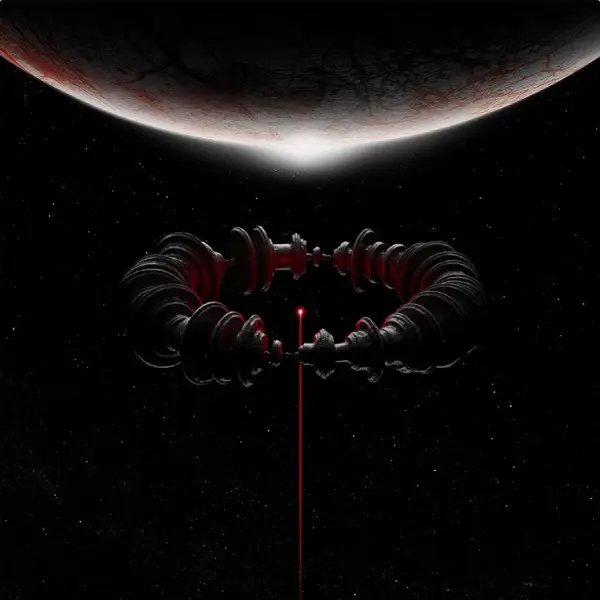
Muse – The Wow! Signal
Muse – The Wow! Signal The Wow! Signal lands squarely in progressive rock, a style that gives grand ideas room to stretch across shifting arrangements, dramatic dynamics, and larger-than-life themes. Muse embrace that freedom with complete commitment. Massive guitar riffs collide with orchestral flourishes, electronic pulses, choir passages, and cinematic transitions. The songs move through…