Post-Punk

Post-Punk, a genre that emerged in the late 1970s and thrived throughout the ’80s, represented a radical departure from the straightforward structures of punk rock. Bands like Joy Division, Gang of Four, and Siouxsie and the Banshees, key architects of the movement, introduced a more experimental, art-driven approach to music. Post-punk incorporated elements of punk’s DIY ethos but explored darker, more atmospheric sounds, often characterized by jagged guitar riffs, driving basslines, and existential lyrics. The genre’s sonic innovations and willingness to challenge conventional musical boundaries laid the groundwork for a diverse array of subsequent movements, including new wave, gothic rock, and alternative rock, cementing post-punk’s enduring influence on the broader landscape of rock music.

  • | |

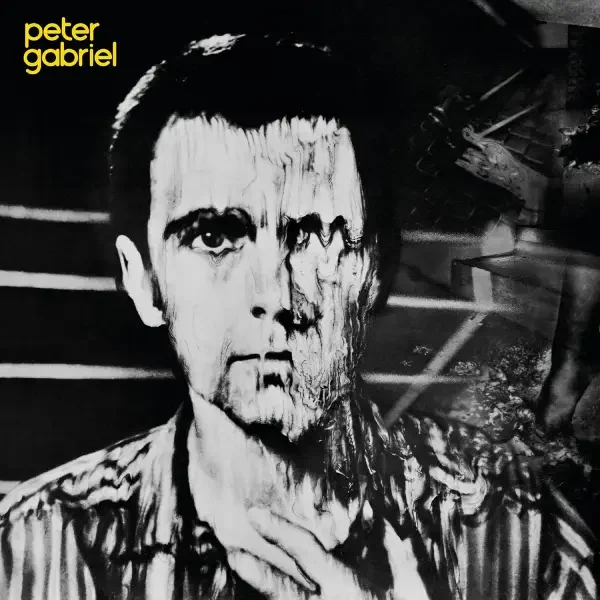
    Peter Gabriel – Peter Gabriel 1980

    Peter Gabriel’s third solo Peter Gabriel informally dubbed Melt for its cover art doesn’t want to be liked. It wants to stick to your ribs, to whisper weird things in your sleep. And it does. Melt is Gabriel’s broken mirror—and if you’re brave enough to stare, you’ll see more than just his reflection.

  • |

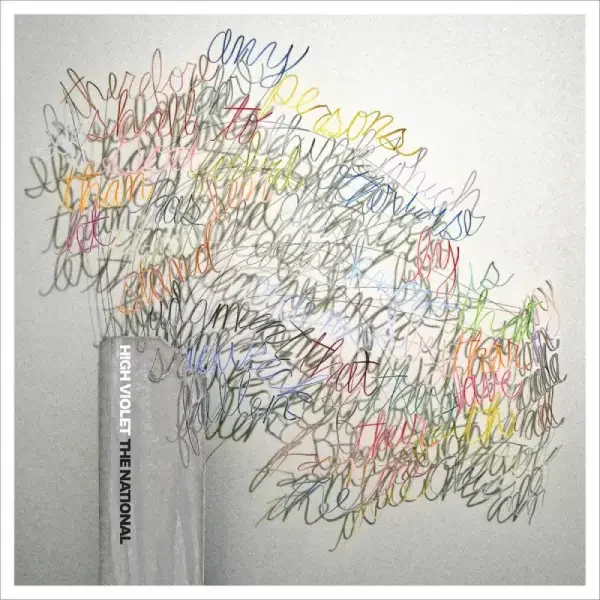
    The National – High Violet

    High Violet doesn’t give you easy catharsis. It just lets you sit in the mess with good company. It’s a record that feels like it knows you, maybe a little too well. But you’ll keep it around anyway—somehow, its sadness feels like home.

  • | |

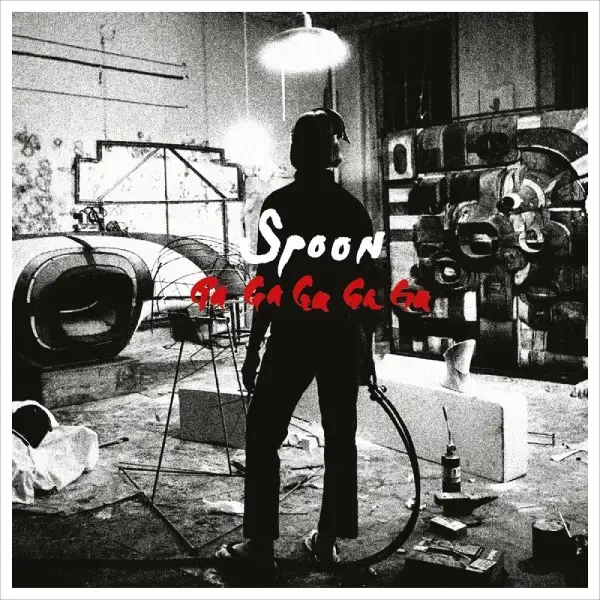
    Spoon – Ga Ga Ga Ga Ga

    By 2007, Spoon had sharpened minimalism into pure swagger. Ga Ga Ga Ga Ga strips rock to its essentials—each note and silence precise, hypnotic. Britt Daniel’s voice seduces with cool confidence, blending catchy hooks and sharp production into a quietly powerful, unforced masterpiece.

  • | |

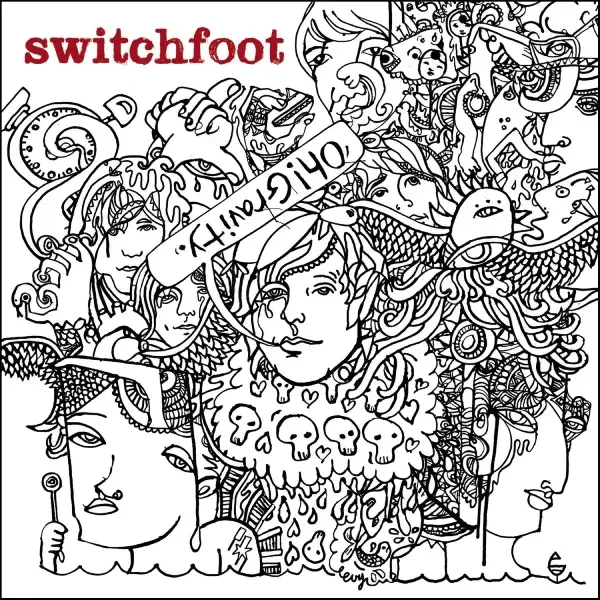
    Switchfoot – Oh! Gravity.

    Oh! Gravity. captures Switchfoot throwing themselves into disorder and finding power in imperfection. Each track feels restless yet deliberate, confronting modern tension through melody and noise. The result is one of their most muscular, unguarded statements.

  • | | |

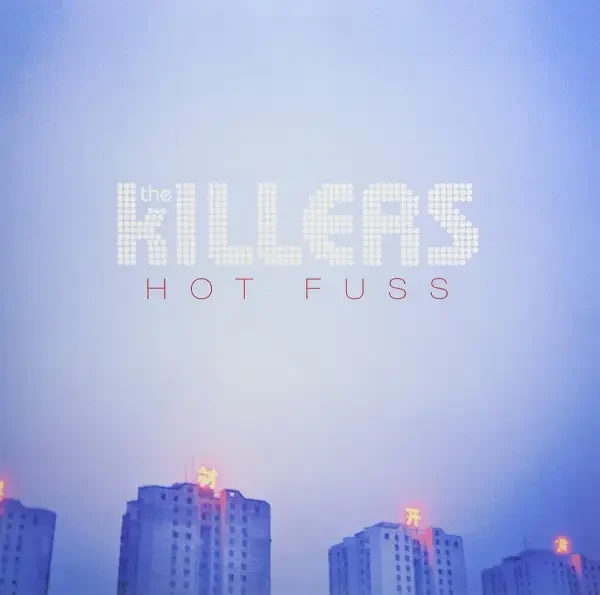
    The Killers – Hot Fuss

    Hot Fuss is glossy, over-the-top, and often ridiculous. But it’s also sincere as hell. The Killers leaned into the drama without flinching, and that boldness—coupled with their laser-cut hooks—is what made this album the glitter bomb that exploded across the mid-2000s rock scene.

  • |

    Killing Joke – Killing Joke

    Unlike their earlier mechanical post-punk dread, this album sounds alive. Brutally alive. There’s structure, sure, but it’s built like a bunker, meant to outlast catastrophe. These aren’t teenagers pretending the world’s ending. They’re middle-aged survivors, telling you it already did.