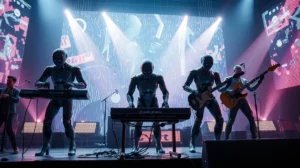
 Electronic rock surged from a collision of circuitry and distortion, blending the tactile grit of rock with the synthetic pulse of machines. Emerging from late-20th-century experimentation, it carved out a sound that moved with equal parts sweat and signal. Traditional rock instruments—guitars, drums—found themselves in strange new company: analog synths, oscillators, and tape loops pushing boundaries and bending expectations. The result is a hybrid that doesn’t just borrow textures from disparate genres but wires them together into something urgent and alive. Whether borrowing the urgency of punk, the polish of pop, or the mechanized rhythm of techno, this form thrives on its refusal to settle into one sonic identity.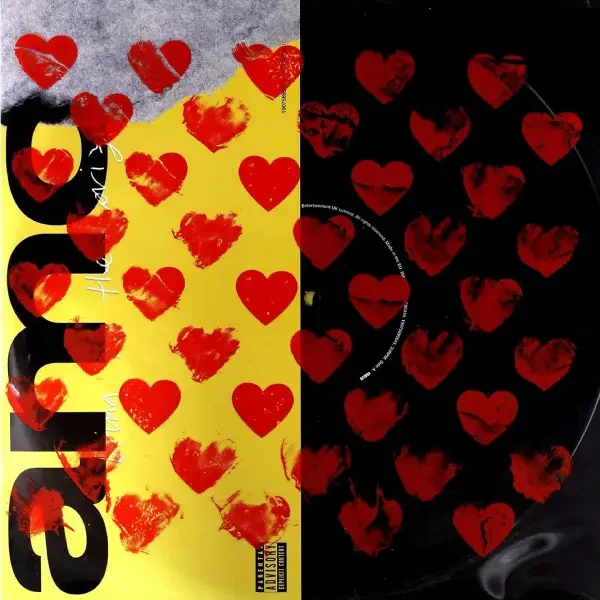
Bring Me the Horizon – Amo
The album strikes with crisp production, tense rhythms, and sharp emotional energy. Each track pushes forward with deliberate force, leaning on tight guitar pulses and bright hooks. The record thrives on pressure and directness, turning friction into creative momentum.