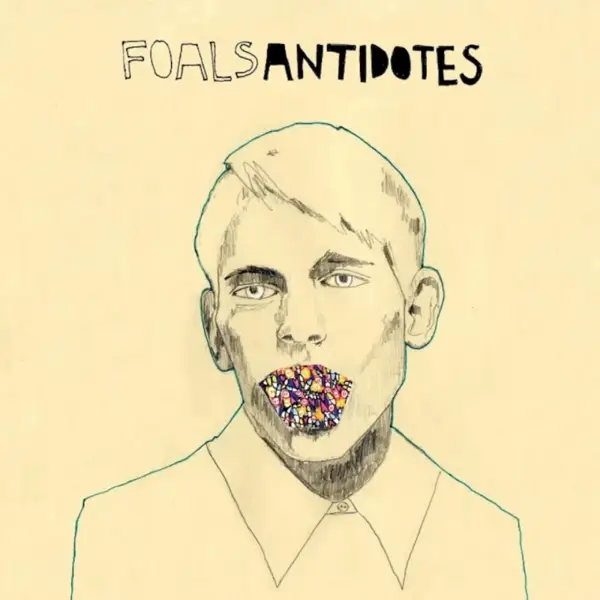
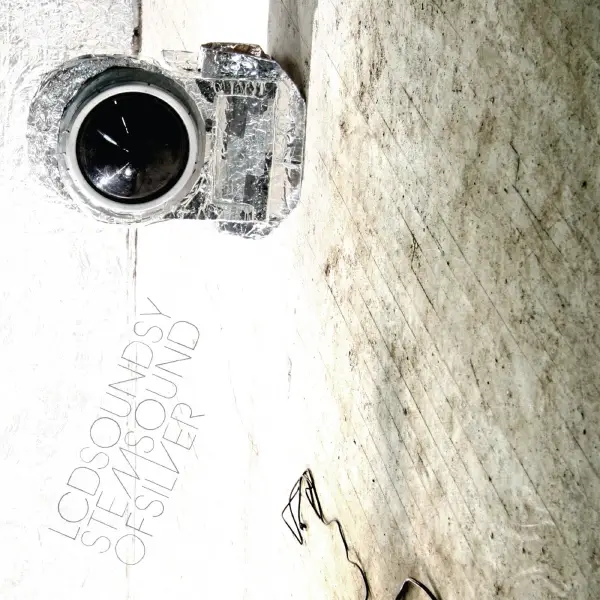
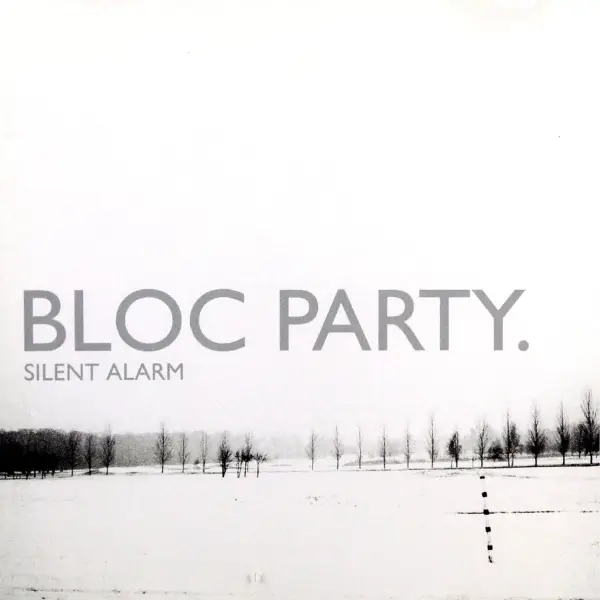
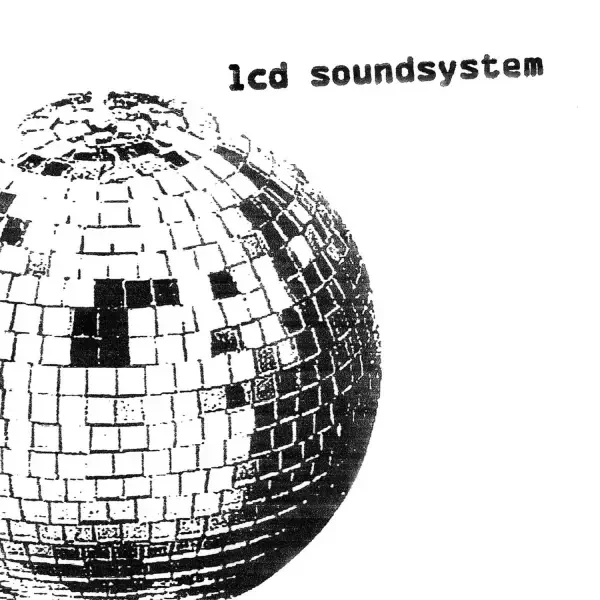
 Dance Punk (aka Disco Punk) was born from a collision of jagged guitars and restless basslines with the hypnotic pull of disco rhythms. The late ’70s underground provided the pressure cooker, where punk’s raw energy met the beat-driven urgency of clubs. It wasn’t about polish or refinement—it was about pushing sweat through sound, a refusal to separate rebellion from movement. The music carried a sharp edge, but underneath the angular riffs and relentless drumming, it demanded bodies in motion, turning dingy venues into kinetic experiments in rhythm and attitude.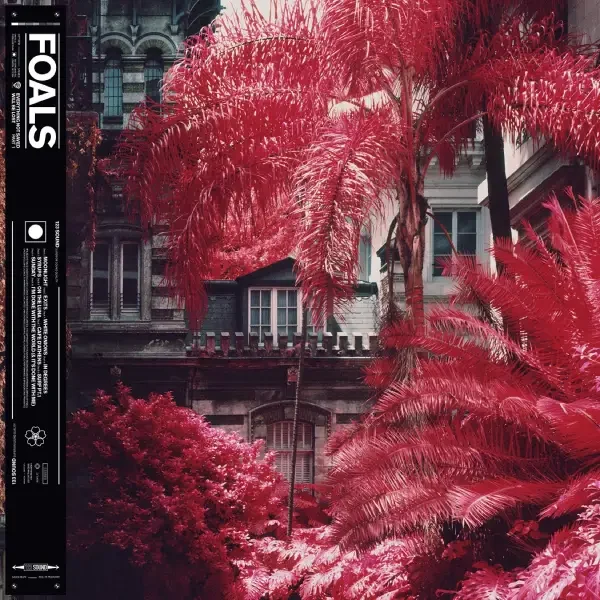
Foals – Everything Not Saved Will Be Lost – Part 1
Everything Not Saved Will Be Lost – Part 1 captures Foals working with urgency and control, shaping anxiety into rhythm-driven rock. The album thrives on motion, repetition, and focus, reflecting a culture stretched thin through sound and structure.