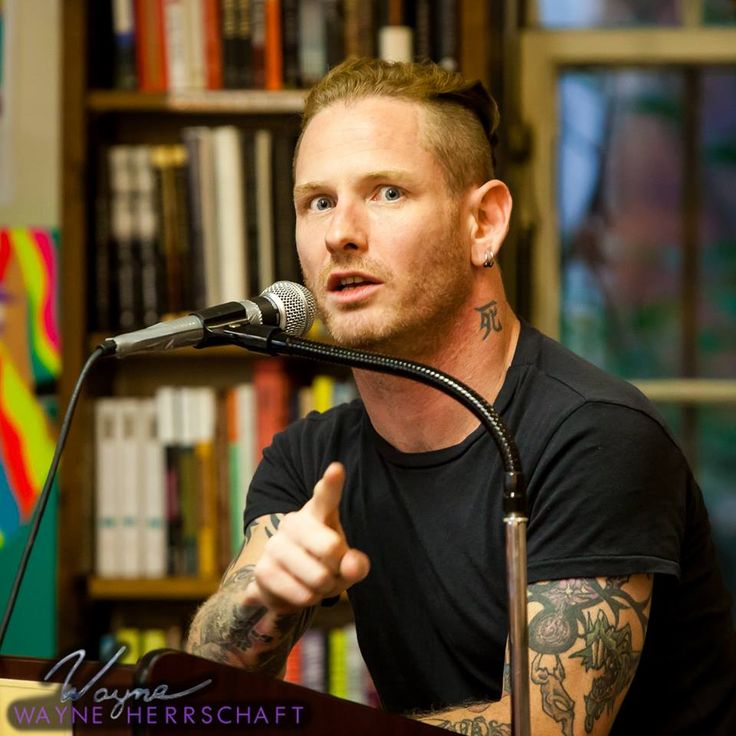
John Mellencamp
When you get kicked out of a group called Snakepit Banana Farm you might want to reconsider your career options.
And what could be going through your mind when you start a ’60s covers band called Trash?
You might also have second thoughts about the music business when the guy who got you signed to MCA Records changes your name without telling you.
But all this was part of John Mellencamp’s climb to fame.
Mellencamp started playing Rock and R&B with Crepe Soul in ’65. By ’66 he’d been in and out of Snakepit Banana Farm.
Jumping forward, Mellencamp entered the ’70s with Trash. Along the way, he graduated from college and got himself a job with the phone company. When the job ended, Mellencamp headed for New York with a demo – his version of Paul Revere & The Raiders’ “Kicks.”
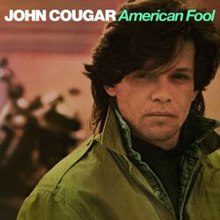
He got a deal with MCA but prior to the release of his debut album his management company decided that Mellencamp (the name) just wasn’t going to cut it. So ‘Cougar’ it became. Imagine the shock of seeing some other name on your work. It’s no wonder Mellencamp hated it and wanted to change it back. It was a gradual process. John Cougar, then John Cougar Mellencamp and at last, John Mellencamp.
Beginning with “Ain’t Even Done With The Night” and his first major success “Jack & Diane,” Mellencamp wrote and performed several Rock classics from his middle-America perspective.
Ain’t Even Done With The Night
Jack & Diane
Rain On The Scarecrow
The “Scarecrow” set, with “Rain On The Scarecrow,” raised Mellencamp’s stature and also became indicative of his involvement in the plight of America’s farmers and the Farm Aid effort.
Not surprising since Mellencamp was born in Seymour, Indiana, and raised in Bloomington.
In the early ’90s, he suffered a “mild” heart attack. Blaming it on cigarettes and a bad diet he moved on. No big deal.
Mellencamp spent much of the decade and beyond veering between a roots Rock version of his earlier self and Folk/Blues. ’96 release “Mr. Happy Go Lucky” found Mellencamp dipping into Hip-Hop while “Cuttin’ Heads,” out in ’01 followed a jagged acoustic path.
For “Rough Harvest” Mellencamp did acoustic versions of his own songs plus covers of “Under The Boardwalk” and “In My Time Of Dying.” Though viewed as a toss-off project it was pretty impressive. Mellencamp delved deeper into traditional Folk and Blues on his ’02 outing “Trouble No More.”
Selling your soul to Rock N’ Roll was okay. But selling your Rock n’ Roll to advertise a product was not. The history of Rock songs in advertising is long and often embarrassing. Usually, an agency licensed a Top 10 hit for an ad campaign. Think of all the ads with “Good Vibrations” or “Born To Be Wild.” Let’s not forget “Start Me Up.” It was such an unseemly process that many performers, most notably Bruce Springsteen, refused to license their music for commercials.
But Mellencamp had a different point of view, His song “Our Country” was licensed to promote Chevrolet’s Silverado trucks. The commercial aired about every :30 seconds during football season. There was no getting away from it. A middle-America singer and a middle-America truck. Somebody was thinking.
Mellencamp said he allowed “Our Country,” the lead single from “Freedom’s Road,” to be used in the high-profile campaign because he wanted the song to get some exposure. “I don’t know if it was the best way to present the tune to (listeners), but at least they heard it.” No kidding.
As a result, Mellencamp’s ’07 collection of anthems, odes and observations got a lot more attention than it might have normally.
Our Country
But not all usage is good, During the ’08 presidential campaign, John McCain used “Our Country” at his events while campaigning for the Republican nomination.
Mellencamp sent a letter to the McCain camp asking, “If you’re such a true conservative, why are you playing songs that have a very populist pro-labor message written by a guy who would find no argument if you characterized him as left of center?” McCain quit using the song.
A year later, Billy Joel inducted Mellencamp into the Rock N’ Roll Hall of Fame in New York. “I was fortunate enough to write a couple of songs that connected with people,” said the heartland singer at the ceremony. “People thought the songs were about them, and I want to thank those people.”
###