British Rock
The allure of Rock ‘n’ Roll transcended oceans, firmly entrenching itself in England just as it had in the U.S. Yet, across the Atlantic, British youth found themselves amalgamating Rock ‘n’ Roll and R&B, unconcerned with the distinctions between them. When British artists began emulating these sounds, they blended their unique perspectives into the mix, igniting a phenomenon that saw British Rock ascend to global dominance.
The 1950s brought a bleak landscape to England: a struggling economy, limited opportunities, and the vanishing remnants of empire. American Blues resonated profoundly in this context, a ray of hope and escape, and the advent of Rock ‘n’ Roll was nothing short of salvation for a generation yearning to break free.

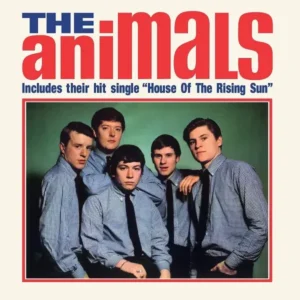
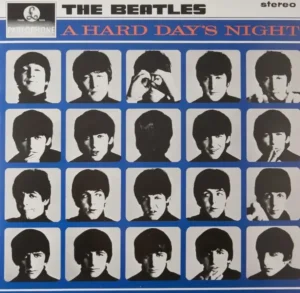
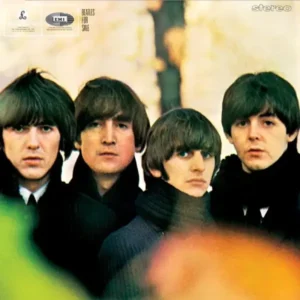
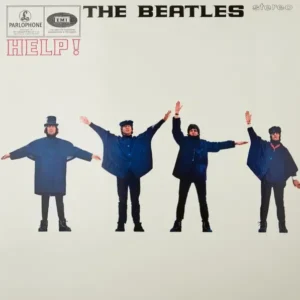
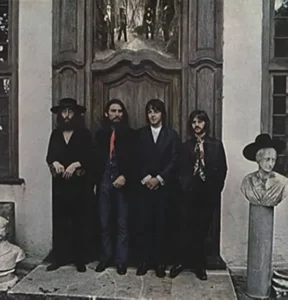
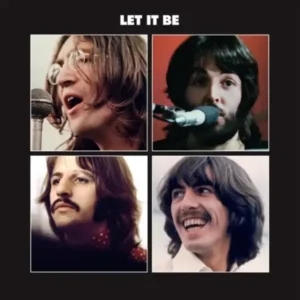
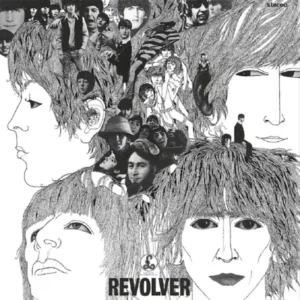
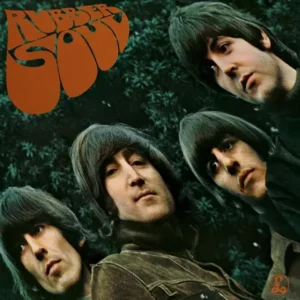
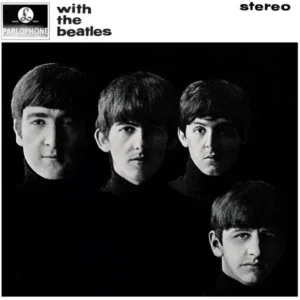
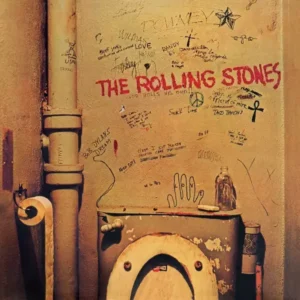
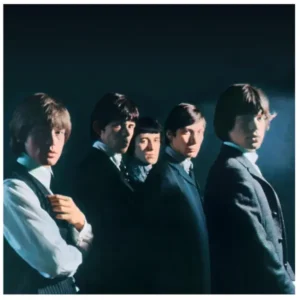
Amidst this era, John Lennon, Paul McCartney, and George Harrison navigated their trajectory from art school to rock stardom, grinding it out in Liverpool and Hamburg. Their eventual convergence with manager Brian Epstein in London marked a turning point. The Beatles found themselves in a fortuitous news cycle void, capturing the nation’s imagination and heralding the rise of the Mersey Sound. While the north throbbed with this new musical heartbeat, London resonated with Blues/Rock, and the Rolling Stones, Animals, and Yardbirds took shape.
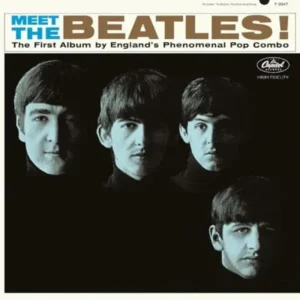
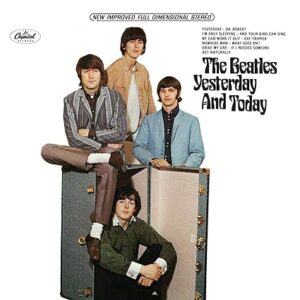
As the U.S. grappled with its tumultuous shifts following the tragic loss of President Kennedy, The Beatles arrived, offering an antidote to sorrow with their infectious optimism. Their groundbreaking appearance on The Ed Sullivan Show paved the way for an era where London’s doors swung open to global talent seekers. The British music scene cleaved into distinct camps: the pop-centric and the Blues-drenched. The latter set the stage for the resurgence of forgotten American Blues artists, rekindled through the fervor of British musicians.