
The Rolling Stones
– Beggars Banquet
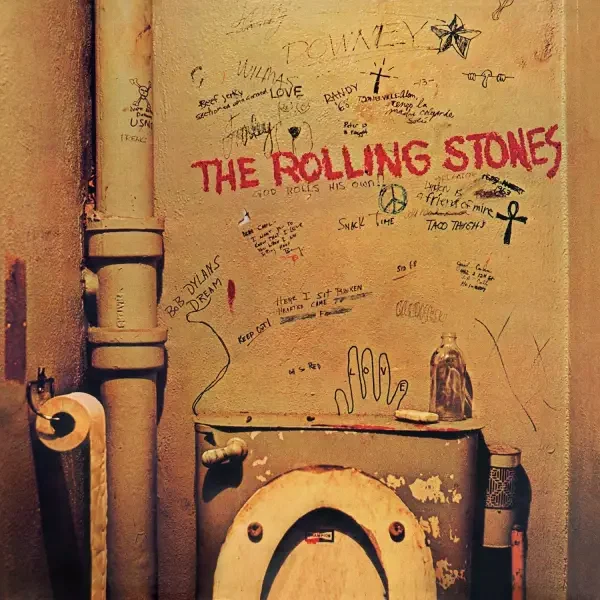
Beggars Banquet feels like the Stones walked out of the mansion and found paradise in the gutter. Every song wears dust and sweat like decoration. The guitars sound carved out of barbed wire, the drums stomp with biblical force, and Jagger delivers his sneer like he’s tasting the dirt of the earth and finding it sweet. This is music that knows exactly what sin costs and still asks for another round.


Best of…
The record burns slow. It doesn’t chase power—it sits in it, steady and smirking. There’s no gloss, no pretense of refinement. The songs breathe like campfire sermons told by outlaws and philosophers who’ve been up for three nights straight. You can hear the scrape of strings, the hum of amps on the edge of collapse. The performances feel lived in, like the band’s been waiting their whole lives to sound this weary and sure of themselves.
What holds the album together isn’t perfection—it’s conviction. Every moment sounds deliberate in its looseness, confident in its mess. The Stones sound less like they’re playing music and more like they’re conjuring something ancient, something too stubborn to die. Beggars Banquet isn’t rebellion; it’s endurance turned to ritual.
Choice Tracks
Sympathy for the Devil
A swaggering hymn to chaos. The percussion clicks like bones, and Jagger turns temptation into theater with unnerving charm.
Street Fighting Man
Raw energy condensed into pure defiance. The rhythm gallops forward, reckless but certain, a street chant disguised as prophecy.
No Expectations
Slide guitar glides like candlelight over heartbreak. Jagger’s voice feels close enough to touch—cracked, human, unguarded.
Salt of the Earth
A ragged toast to the invisible faithful. The chorus rises from grit to grace, rough-edged but strangely holy.
Beggars Banquet drags the blues through the dirt and comes out glowing. The Stones sound feral, fearless, and untouchable—turning grime into grace, swagger into scripture, and exhaustion into something close to revelation.
Beggars Banquet is a seminal rock album for its raw, blues-infused sound and return to the band’s roots. It marked a turning point, showcasing the Stones’ gritty, rebellious energy and lyrical boldness. Tracks like “Sympathy for the Devil” and “Street Fighting Man” capture the social tension of the era, while exploring themes of conflict, desire, and defiance with swagger and sophistication. This album redefined the Stones’ image and influence, establishing them as rock’s anti-heroes and setting the stage for their dominance in the years that followed.