Dance Rock

Dance RockDance-rock is a dance-infused rock genre that emerged in the early 1980s, blending elements of post-disco, pop rock, and post-punk while minimizing rhythm and blues influences. It developed following the decline of punk and disco, with early examples including Gina X’s “No G.D.M.,” Russ Ballard’s “On the Rebound,” and artists like Dinosaur L, Liquid Liquid, and Polyrock.
Defined by Michael Campbell as a “post-punk/post-disco fusion” and by Robert Christgau as part of the broader “dance-oriented rock” (DOR) category, the genre incorporates influences from Philly soul, disco, and funk, fusing them with rock and dance music. According to AllMusic, dance-rock spans both experimental funk acts like A Certain Ratio and Gang of Four and mainstream artists such as the Rolling Stones, David Bowie, Duran Duran, INXS, Eurythmics, and Depeche Mode.

  • | |

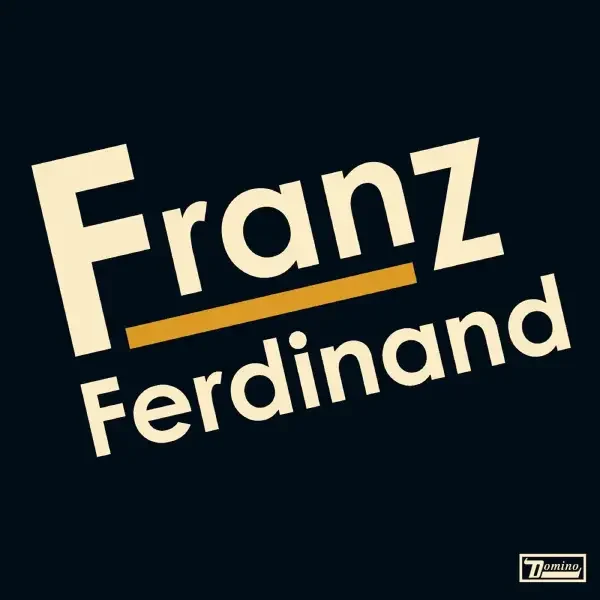
    Franz Ferdinand – Franz Ferdinand

    A fiercely controlled blast of angular riffs, propulsive rhythms, and sharp-edged vocal theatrics. The album strikes with precision and restless energy, building a tight, punchy collection of songs that hit with style, swagger, and a sly sense of danger.
  • | | |

    Yeah Yeah Yeahs – Fever to Tell

    The Yeah Yeah Yeahs’ *Fever to Tell* is a wild, unpredictable debut that blends punk, rock, and noise with raw energy. Karen O’s fierce voice and Nick Zinner’s chaotic guitars create a thrilling, genre-defying ride, constantly shifting and surprising.

  • | |

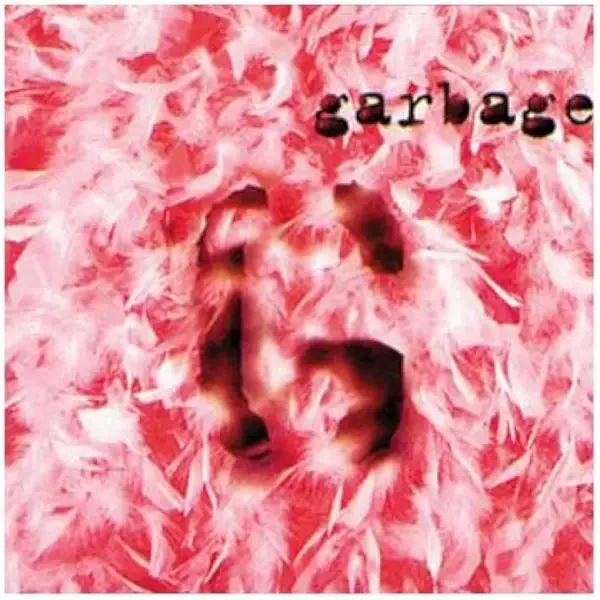
    Garbage – Garbage

    Garbage’s debut snarls and seduces in equal measure. It’s a slick, grimy hybrid of alt-rock and trip-hop that revels in its contradictions, powered by Shirley Manson’s magnetic sneer and a production team that turned chaos into something you could dance to.

  • | |

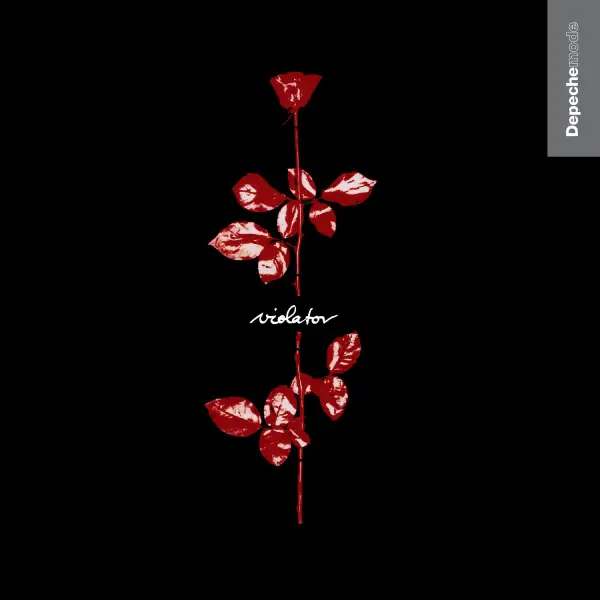
    Depeche Mode – Violator

    Violator operates through restraint, precision, and tonal unity. The album favors space, steady rhythm, and direct emotion. Its power comes from confidence and control, creating a lasting mood built on discipline and memorable songwriting.

  • | |

    INXS – Kick

    Kick is pop-rock excess sharpened to a blade, mixing seductive minimalism with full-bodied swagger. INXS push groove and charisma to the forefront, creating an album that thrives equally on restraint, indulgence, and the uneasy heat between the two.

  • | |

    New Order – Brotherhood

    Brotherhood captures New Order at a crossroads, splitting between guitar-led post-punk and euphoric synth pop. Uneven but thrilling, it delivers both raw rock energy and electronic perfection—anchored by the timeless “Bizarre Love Triangle.”

  • |

    Iggy Pop – Blah-Blah-Blah

    Blah-Blah-Blah finds Iggy Pop teaming with David Bowie for a sleek, radio-ready reinvention. Synths, sharp hooks, and a tighter focus make it his most accessible album yet—proof that the Godfather of Punk could play the pop game without losing his bite.

  • |

    David Bowie – Let’s Dance

    *Let’s Dance* saw Bowie transform into a global pop icon without losing his edge. Teaming with Nile Rodgers, he fused new wave, dance, and rock into a sleek, radio-dominating force. Polished yet sharp, it was a bold, calculated takeover of the mainstream.

  • |

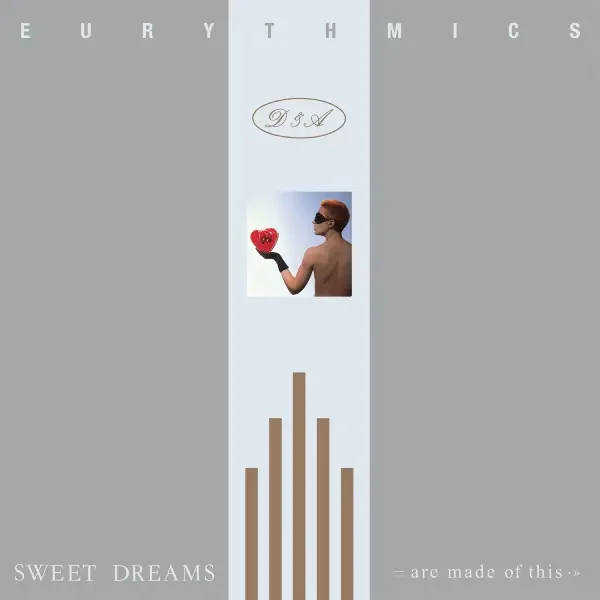
    Eurythmics – Sweet Dreams (Are Made of This)

    Sweet Dreams (Are Made of This) converts cold electronics into emotional theater. Eurythmics fuse precision with unease, crafting a stark yet seductive statement about control, desire, and digital isolation that still pulses with raw human voltage.