Inspiral Carpets – Life
Life delivers alternative rock powered by swirling organ riffs, tight rhythms, and relaxed swagger. Inspiral Carpets build hypnotic grooves and memorable hooks while keeping the arrangements lean and energetic.
Disclosure: As an Amazon Associate we earn from qualifying purchases.

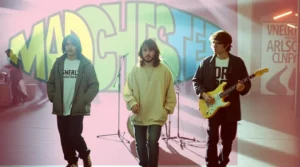 Madchester emerged in the late 1980s as a fusion of indie rock and the rising acid house movement, shaping a cultural moment that blended the euphoria of dance with the rawness of alternative rock. Rooted in the vibrant streets of Manchester, the scene seamlessly incorporated elements of psychedelia and 1960s pop, crafting a sound that was both eclectic and revolutionary. The term “Madchester” was first coined during a creative discussion between video directors at Factory Records, later popularized by the British music press in the early ’90s. This term symbolized the chaotic, experimental energy of the city’s music scene, with groups like Happy Mondays embracing it as their own. It wasn’t just a label—it reflected the heady mix of vibrant creativity, youthful exuberance, and a city unafraid to embrace its madness.
Central to the Madchester movement was the Haçienda nightclub, a space that became both a sanctuary and a symbol for the era. Co-owned by members of New Order, the club was a vital hub where music, drugs, and community collided, propelling the “Second Summer of Love” into the public consciousness. The scene’s sound, underpinned by a combination of electronic beats and indie guitar melodies, was shaped by the widespread use of MDMA, which enhanced the ecstatic, trance-like qualities of the music. Bands like the Stone Roses, Happy Mondays, and 808 State became synonymous with Madchester, each contributing to a sound that wasn’t confined to a single genre but instead evolved organically, embracing an ever-shifting mix of influences.
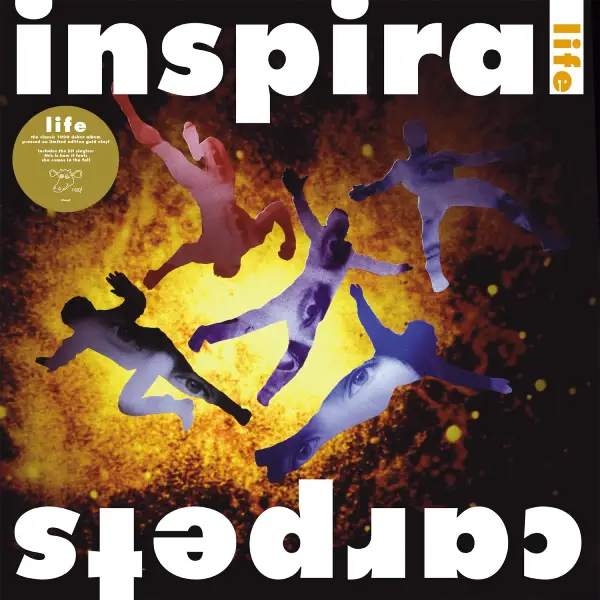
Life delivers alternative rock powered by swirling organ riffs, tight rhythms, and relaxed swagger. Inspiral Carpets build hypnotic grooves and memorable hooks while keeping the arrangements lean and energetic.
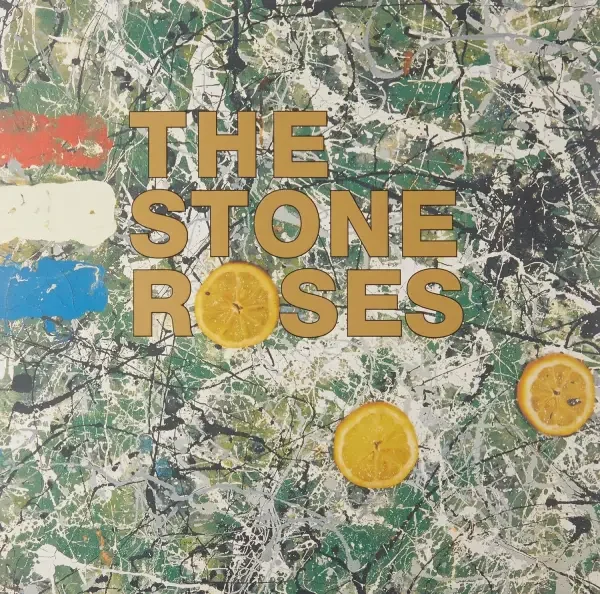
The Stone Roses’ debut is a genre-defining album blending psychedelia, post-punk, and dance. Its anthems and atmospheric sound capture the spirit of ’80s/’90s indie, balancing raw energy with polished production, making it timeless and influential.

Brotherhood captures New Order at a crossroads, splitting between guitar-led post-punk and euphoric synth pop. Uneven but thrilling, it delivers both raw rock energy and electronic perfection—anchored by the timeless “Bizarre Love Triangle.”