Alternative Rock

Alternative RockAlternative rock emerged in the 1980s as a rebellious counterpoint to mainstream rock, blending the raw energy of punk with experimental sounds that defied easy categorization. Rooted in underground movements, it gained traction through college radio stations and independent labels, fostering a diverse range of bands that rejected the polished production and commercialism of arena rock. Groups like R.E.M., The Smiths, and Pixies laid the groundwork, creating music that was introspective, jagged, and often infused with a DIY ethos. By the early 1990s, alternative rock exploded into the mainstream, with Nirvana’s Nevermind serving as a watershed moment that brought the genre to millions and paved the way for a new era of rock music.
As alternative rock evolved, it splintered into countless subgenres, from the introspective melancholy of Radiohead to the anthemic hooks of Foo Fighters and the garage rock revival led by The Strokes. Its defining characteristic has always been its ability to adapt, incorporating elements of post-punk, grunge, indie rock, and even electronic influences. The early 2000s saw a resurgence with bands like The White Stripes and Arctic Monkeys, proving that alternative rock remained a vital force in shaping modern music. Even as streaming and digital platforms shift the musical landscape, the genre continues to thrive, with artists pushing boundaries and redefining what alternative rock can be.

  • | |

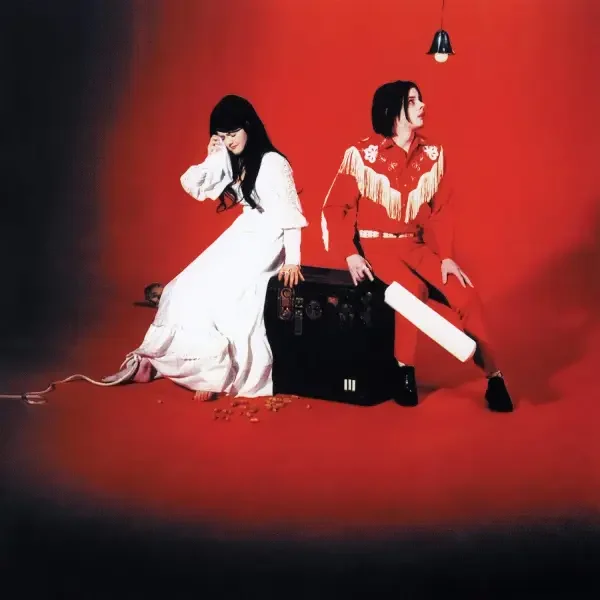
    The White Stripes – Elephant

    Elephant is raw, feral, and era-defining—garage rock, blues, and punk colliding with primal energy. Jack White shreds, Meg’s drumming lands like a hammer, and every song pulses with swagger, heartbreak, and urgency. A battle cry that still sounds massive.
  • |

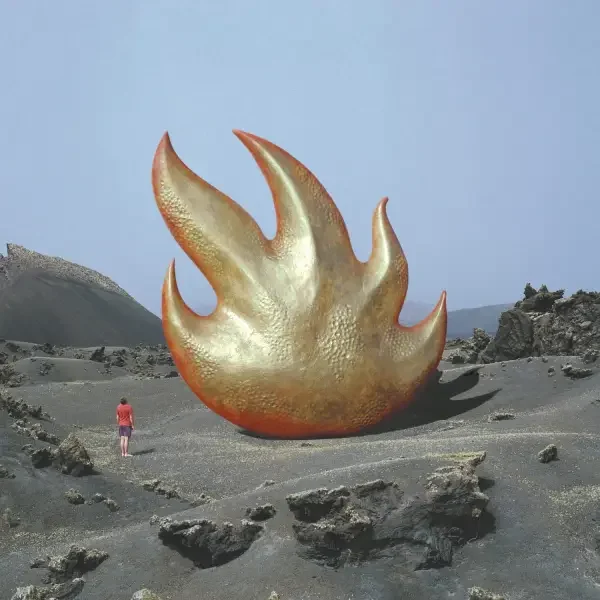
    Audioslave – Audioslave

    Audioslave fuses brute force with wounded grace. Cornell’s voice howls through Morello’s alien guitar storms while the rhythm section keeps everything grounded and urgent. It’s a record built from tension and release – restless, defiant, and alive in every distorted breath.

  • | |

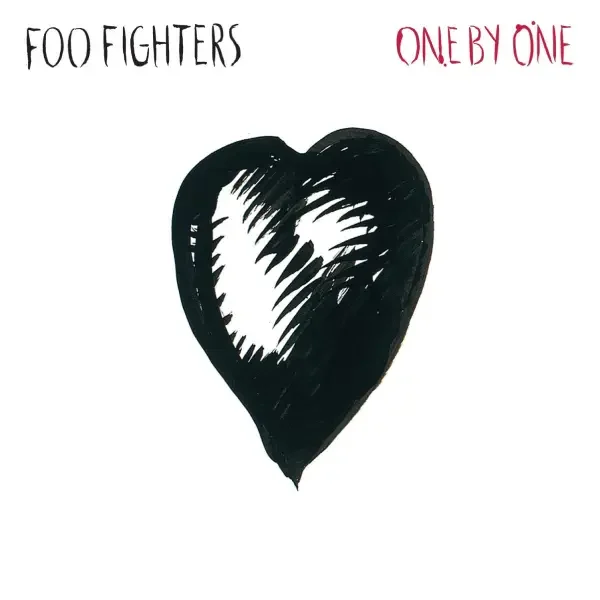
    Foo Fighters – One by One

    Foo Fighters’ One by One is a loud, scarred, and volatile album, driven by force more than finesse. Hooks are hammered into chaos, Grohl’s voice rides exhaustion into fury, and the tension between noise and strain makes it one of their most visceral releases.

  • |

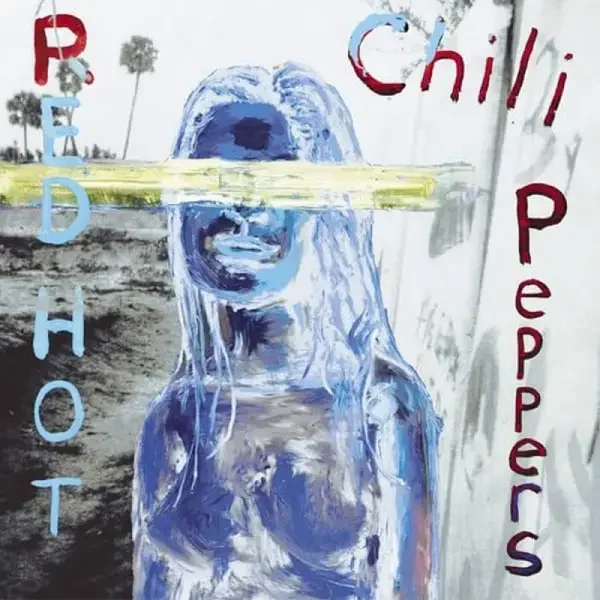
    Red Hot Chili Peppers – By the Way

    By the Way is the sound of a band settling into its skin—not resting, but breathing. Less slap, more soul. Less freakout, more feeling. The funk is still in there, but it’s buried under melodies, melancholy, and a new kind of California cool.

  • | | |

    Jimmy Eat World – Bleed American

    Bleed American doesn’t reinvent the wheel—it tightens the bolts until they gleam. It’s polished without being soulless, emotional without melodrama, and catchy without selling out. A rare moment where timing, talent, and intention all lined up—and hit play.

  • | |

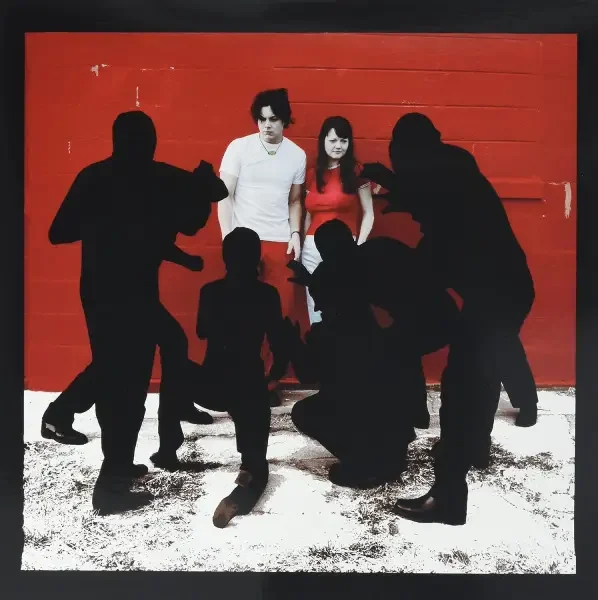
    The White Stripes – White Blood Cells

    White Blood Cells came screaming out of Detroit with busted-knuckle garage rock that felt both raw and deliberate, like punk written with a fountain pen dipped in battery acid. Jack’s howling about love, loss, rejection, and self-worth like someone trying to tape his guts back together with duct tape and fuzz pedals.

  • |

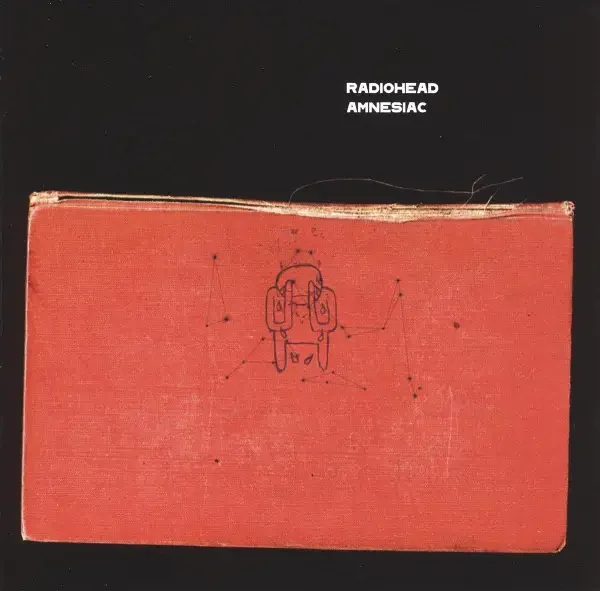
    Radiohead – Amnesiac

    Thom Yorke sounds like he’s broadcasting from a room full of broken machines, singing lullabies to ghosts that no longer listen. There’s an ache behind every line, a disorientation that’s somehow more intimate than confessional.