
U2
– How to Dismantle an Atomic Bomb
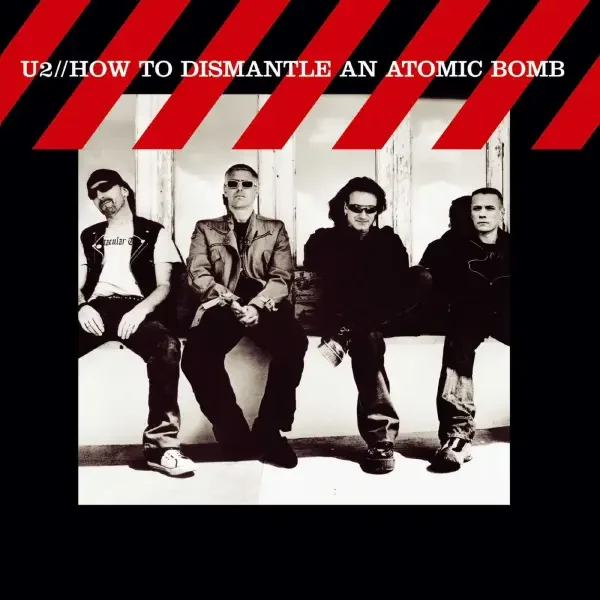
U2’s How to Dismantle an Atomic Bomb arrives like a sermon from a stadium pulpit: muscular guitar chords, a voice that strains for confession, and arrangements built to swell and hang in the air. Songs settle into grand gestures and find space for small, stubborn lines that feel like prayers or complaints scribbled in the margins.


Best of…
The record operates on two speeds: anthem and interior. Loud moments grab the roof—hooks that lodge in the teeth—while quieter ones pry at grief and stubborn hope. Lyrics favor blunt, earnest pronouncements; the band stacks sound around those statements until they gleam, brittle and resonant, like metal polished by friction.
There’s a weary courage threaded through the album. Production choices push everything forward with a cinematic shove, but the heart of the music sits in the phrasing—the way a single held note can carry the weight of doubt. The result is a set of songs that demand to be felt in a crowd and still leave a residue when the lights go down.
Choice Tracks
Vertigo
A drum click like a metronome for adrenaline, and then a riff that pins the jaw back. Vocal lines ride the tension and spill into a chorus built for shouting. The track’s momentum refuses to relent, a tight, relentless pulse that makes urgency feel celebratory.
Sometimes You Can’t Make It on Your Own
A patient, blunt-hearted ballad with lines that sound like confessions told to a photograph. The arrangement gives space for the voice to fray and hold, and the harmony work lifts the sentiment without softening the message. It lands with an unsettling tenderness.
City of Blinding Lights
Synth washes and chiming guitar open like a postcard from a waking dream. The melody climbs with an almost guilty joy, and the lyrics sketch memory as both celebration and sting. The song’s brightness keeps a thin, honest ache threaded through its chorus.
Original of the Species
A late-album spark that balances swagger with a careful lyric bent. Guitar and piano trade sharp, declarative phrases while the voice presses on a central, stubborn line about identity and endurance. It feels like a quiet dare wrapped in radio polish.
A record of large gestures and small truths, this album pairs stadium-sized production with lyric lines that linger after the lights. It pushes earnestness into spectacle while leaving moments of fragile clarity that reward a closer listen.