
Depeche Mode
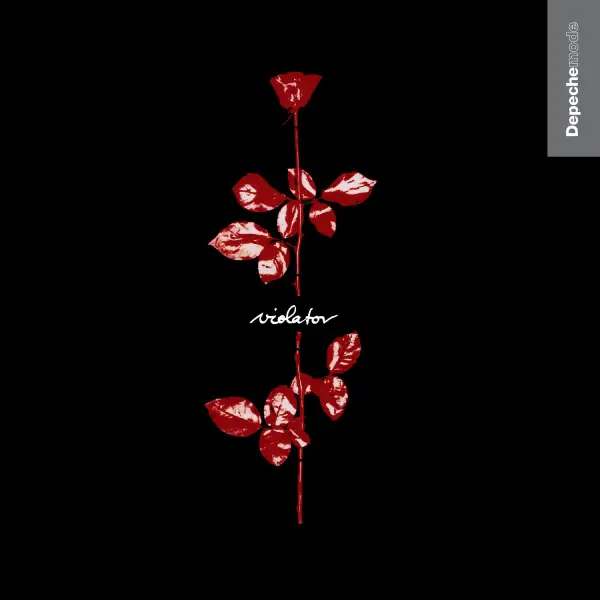
– Violator
Violator proves that discipline and clarity can leave the deepest mark.
The album moves with calm authority and deliberate restraint. Every sound feels placed with intent and patience. Space carries weight here. The songs trust silence and repetition to hold attention. Control replaces excess, and confidence replaces urgency.


Best of…
Rhythms lock into steady pulses that feel physical and inward. Melodies arrive clean and memorable without decoration. Vocals deliver emotional directness through measured phrasing and dry wit. Desire, guilt, and resolve surface as plain statements rather than drama.
Violator succeeds through discipline and focus. The record values clarity over spectacle. Each track reinforces mood through consistency and tone. The album feels unified by mood and attitude rather than theme, leaving a lasting imprint through poise alone.
Choice Tracks
World in My Eyes
A slow-burning opener built on sensual rhythm and confident pacing. The groove invites attention without pressure. Lyrics frame experience as choice and intent. The track establishes control as the album’s guiding force, letting mood carry meaning with quiet authority.
Personal Jesus
This track thrives on tension between blunt rhythm and sharp vocal phrasing. The hook feels confrontational and inviting at once. Its cultural bite comes from plainspoken challenge and memorable structure, turning belief and devotion into something tactile and direct.
Enjoy the Silence
A masterful balance of melody and restraint drives this song forward. The chorus lands with clarity and purpose. Emotion arrives through repetition and tone rather than volume, giving the track its enduring emotional pull and wide cultural reach.
Policy of Truth
This song sharpens the album’s edge through rigid rhythm and lyrical candor. The delivery feels confessional without softness. Its appeal rests in the clarity of its message and the unwavering structure that supports each line with firm resolve.
Violator operates through restraint, precision, and tonal unity. The album favors space, steady rhythm, and direct emotion. Its power comes from confidence and control, creating a lasting mood built on discipline and memorable songwriting.
Violator is where Depeche Mode stopped being a great synth-pop band and became something much bigger. It’s not just the sound of a group refining their craft—it’s the sound of them reimagining what they could be. The production is sharper, the grooves hit harder, and the mood is darker, yet somehow more inviting. Every beat, every keyboard swell, every hushed vocal feels like it was placed with intent, but nothing about it feels sterile. It breathes, it pulses, it seduces. This is the kind of album that pulls you in before you even realize it, hypnotic in its restraint but enormous in its impact.
There’s a sense of tension running through every track, a push and pull between decadence and regret, desire and doubt. The band uses space as effectively as they use sound—sometimes the silences say just as much as the notes. The electronics are sleek, the melodies are pristine, but underneath it all, there’s a rawness that makes everything hit deeper. It’s dance music for dimly lit rooms, introspective but impossible to resist.
What makes Violator timeless isn’t just its sonic perfection, though that certainly helps. It’s the way it captures a feeling—of longing, of surrender, of giving in to something bigger than yourself. It’s a cold record that somehow burns, a mechanical heart that beats with real blood. Three decades later, it still sounds like the future.