Progressive Rock

Progressive rock, prog rockProgressive rock, or prog rock, emerged in the late 1960s and reached its zenith in the 1970s, characterized by its ambition to push the boundaries of conventional rock music. Bands like Pink Floyd, Yes, and Genesis led the way, incorporating complex compositions, intricate instrumental arrangements, and often philosophical or fantastical lyrics.

Prog rock eschewed the typical verse-chorus-verse structure in favor of extended instrumental passages and conceptual album themes. The genre’s virtuosity extended to its musicianship, with elaborate solos and use of non-traditional instruments. While some criticized progressive rock for its perceived pretentiousness, its impact on the evolution of rock music cannot be overstated, influencing subsequent generations of musicians and contributing to the broader spectrum of experimental and art-oriented genres.

  • | |

    Boston – Third Stage

    Eight years in the making, Third Stage is Boston’s polished, heartfelt return—a reflective, melody-driven record where Tom Scholz’s meticulous production meets Brad Delp’s soaring voice. It’s less about partying and more about open highways, memory, and quiet redemption.

  • | |

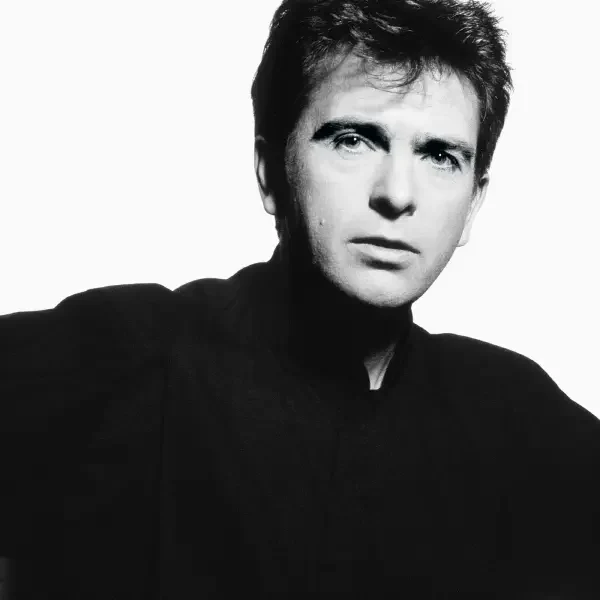
    Peter Gabriel – So

    Peter Gabriel’s So redefined rock with bold production and emotional depth. From the groove-heavy “Sledgehammer” to the haunting “Don’t Give Up,” it fused ambition with accessibility, proving rock could be innovative, powerful, and deeply human.

  • |

    Pink Floyd – The Final Cut

    The Final Cut presents progressive rock stripped to confession and political indictment. Focused songwriting, restrained arrangements, and charged vocals create an album of moral urgency and personal reckoning that leaves a lasting bruise.

  • | |

    Rush – Signals

    Signals trades solos for systems, finding emotion in algorithms and fire in the fluorescent. Rush just updated the code, load the bass, and let the synths hum with unease. It’s sleek, cerebral, and stubbornly human beneath it all.

  • |

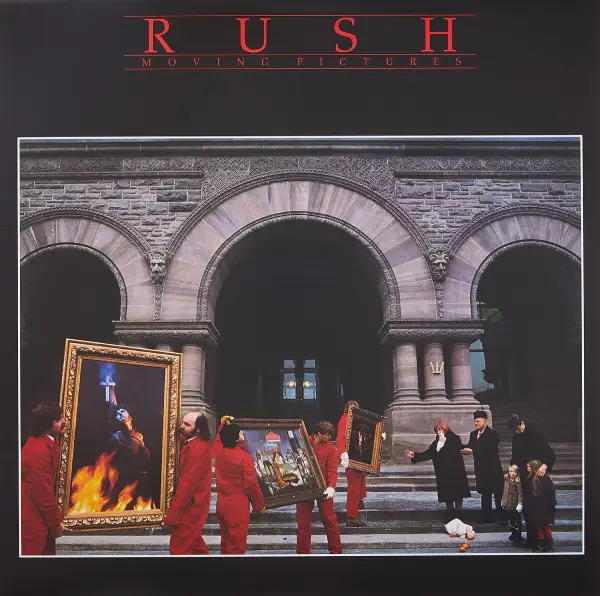
    Rush – Moving Pictures

    A sharply executed rock record powered by tight interplay, crisp production, and lyrics grounded in personal and cultural strain. The album thrives on clarity, structure, and momentum, turning each track into a streamlined shot of focused energy.

  • | |

    Styx – Paradise Theatre

    Paradise Theatre thrives on lean energy, sharp hooks, and a vivid sense of fading grandeur. Styx channels grit and shine into a focused concept that lands with emotional punch and musical urgency, creating a rock album that balances ambition with tight execution.

  • |

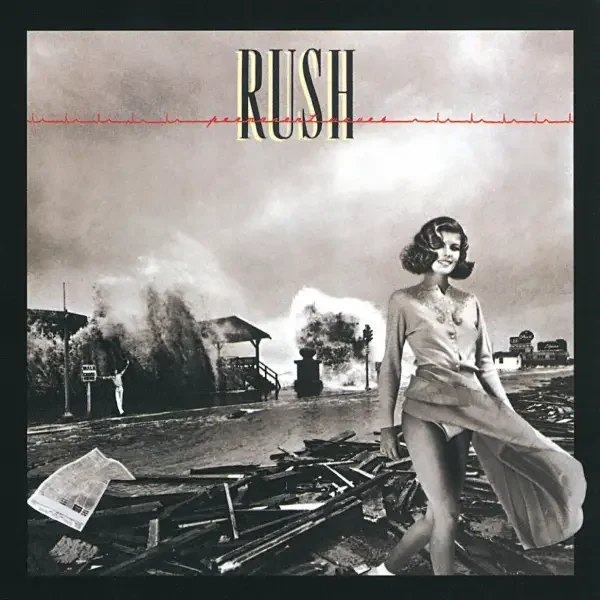
    Rush – Permanent Waves

    Permanent Waves blends sharp musicianship, tight arrangements, and restless energy into a focused rock statement. Each track carries its own weight, shifting between tension, reflection, and explosive power while keeping a unified voice.

  • | |

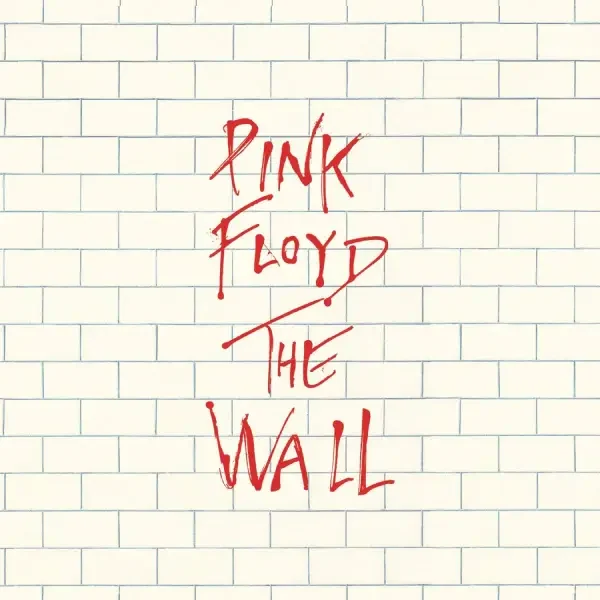
    Pink Floyd – The Wall

    The Wall builds an oppressive, theatrical world of paranoia and confession. Waters’ vision dominates, but the band’s muscle and Gilmour’s soaring guitar keep the bricks shaking. It’s a massive, bitter, strangely intimate wrecking ball of a record.

  • | |

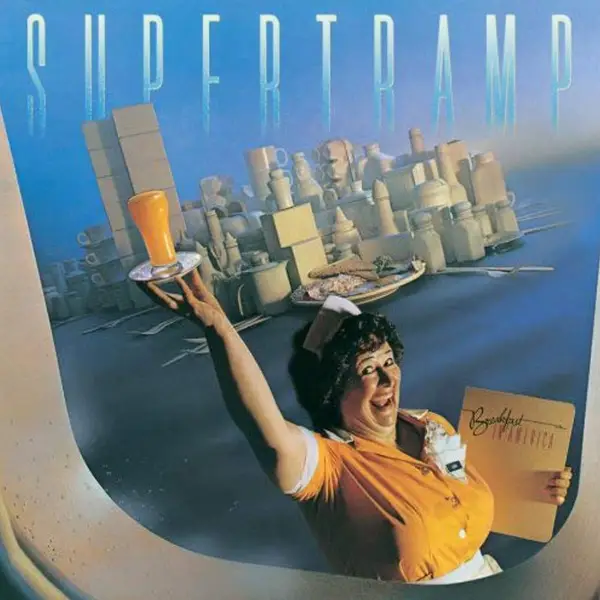
    Supertramp – Breakfast in America

    Breakfast in America presents Supertramp at peak focus, delivering concise songs built on sharp melodies, clean arrangements, and confident performances. The album balances wit, tension, and reflection through discipline, momentum, and lasting hooks.

  • |

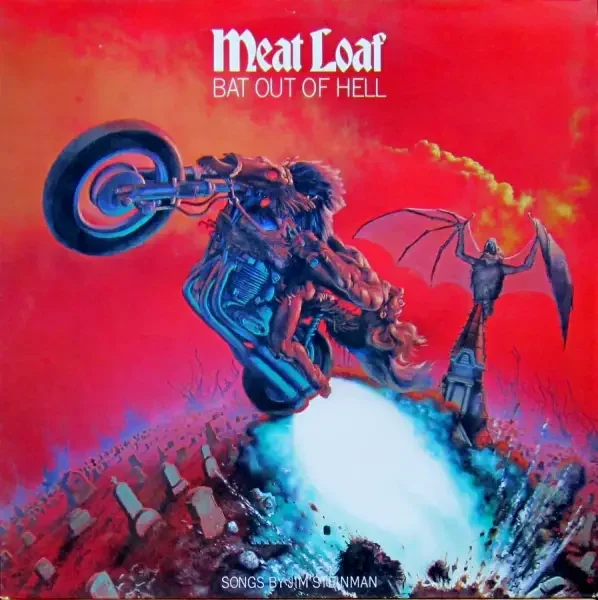
    Meat Loaf – Bat Out of Hell

    Bat Out of Hell is pure overdrive—Steinman’s operatic vision colliding with Meat Loaf’s volcanic voice to create an album that lives in excess and survives on passion. Every note feels like too much, which is exactly why it works and why it refuses to fade.