
Pink Floyd
– The Wall
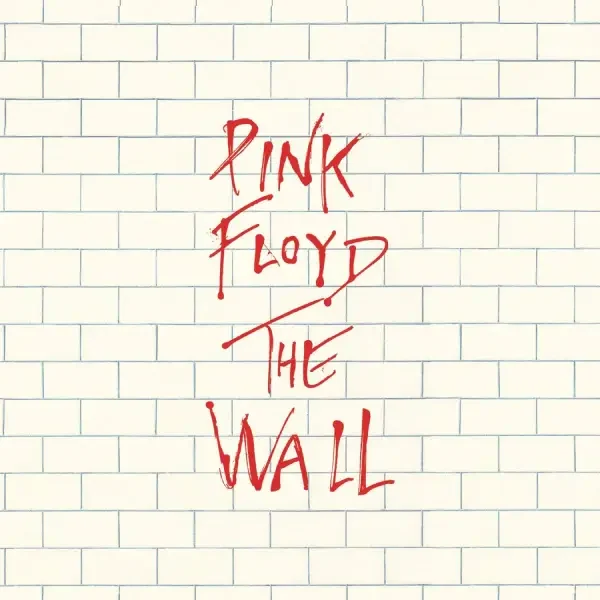
The Wall is less an album than a monolith built out of sound, paranoia, and ego. Roger Waters pours himself into the mortar until the thing feels like a fortress he’s both trapped inside and begging us to break into. The band bends around him, hammering riffs and theatrical flourishes into something that’s as claustrophobic as it is mesmerizing. You don’t just listen—you feel shut in with him, brick after brick.


Best of…
Every song tightens the screws. The ballads sound like whispered confessions scratched into the plaster, while the eruptions of guitar and drums feel like the demolition crew trying to tear it all down from the outside. Waters’ voice shifts between vulnerability and venom, never letting the listener relax. There’s grandeur here, but it comes twisted, drenched in bile, as if spectacle itself were a weapon.
And for all its scale, the record’s most unsettling power lies in its intimacy. These aren’t abstract laments—they’re wounds presented without bandage. Childhood ghosts, institutional cruelty, sexual alienation, and fame’s suffocating choke all stack together until the wall isn’t his alone anymore. By the time it collapses, the wreckage feels communal.
Choice Tracks
Another Brick in the Wall, Part 2
A schoolyard chant sharpened into rebellion. The groove swings, the chorus chants like an army of the disillusioned, and the sarcasm of the lyric makes it sting decades later.
Comfortably Numb
David Gilmour’s guitar solos stretch like open veins, pouring emotion where the words grow numb. The contrast between cold detachment and soaring release gives it its devastating punch.
Hey You
Isolation turned into melody. The song pleads from behind invisible bars, the acoustic shimmer undercut by desperation that only deepens as it swells.
Run Like Hell
Built on a relentless pulse, the track gallops forward with menace. Gilmour and Waters hurl the vocal like a warning flare, while the band drives it with feral urgency.
The Wall builds an oppressive, theatrical world of paranoia and confession. Waters’ vision dominates, but the band’s muscle and Gilmour’s soaring guitar keep the bricks shaking. It’s a massive, bitter, strangely intimate wrecking ball of a record.