Tool – Fear Inoculum
Fear Inoculum is a slow, deliberate spiral inward—meditative, punishing, and weirdly spiritual. Tool builds cathedrals out of time signatures and silence, daring listeners to stay present. A monolith of obsession and patience.
Disclosure: As an Amazon Associate we earn from qualifying purchases.

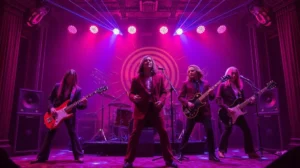 Progressive rock, or prog rock, emerged in the late 1960s and reached its zenith in the 1970s, characterized by its ambition to push the boundaries of conventional rock music. Bands like Pink Floyd, Yes, and Genesis led the way, incorporating complex compositions, intricate instrumental arrangements, and often philosophical or fantastical lyrics.
Prog rock eschewed the typical verse-chorus-verse structure in favor of extended instrumental passages and conceptual album themes. The genre’s virtuosity extended to its musicianship, with elaborate solos and use of non-traditional instruments. While some criticized progressive rock for its perceived pretentiousness, its impact on the evolution of rock music cannot be overstated, influencing subsequent generations of musicians and contributing to the broader spectrum of experimental and art-oriented genres.
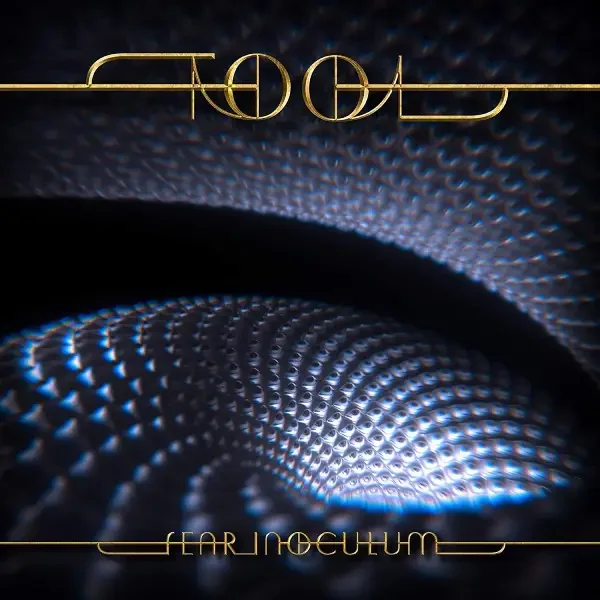
Fear Inoculum is a slow, deliberate spiral inward—meditative, punishing, and weirdly spiritual. Tool builds cathedrals out of time signatures and silence, daring listeners to stay present. A monolith of obsession and patience.
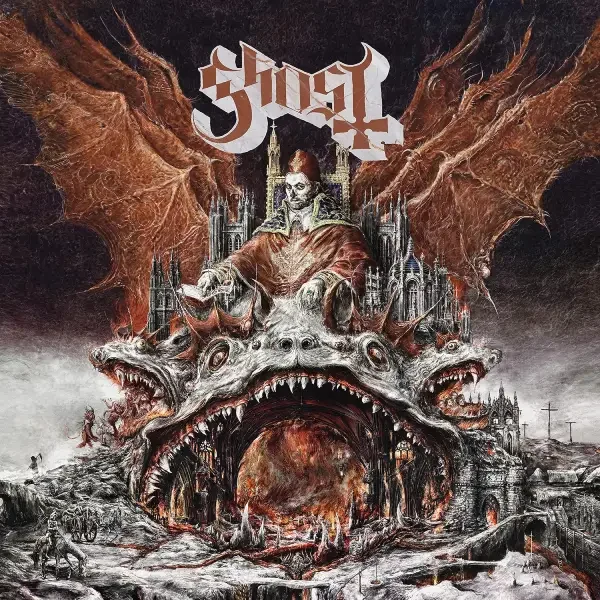
What gives Prequelle its real bite is the tension between subject and style. The lyrics talk of death, decay, and damnation, but the songs sparkle. It’s the poppiest album about pestilence you’ll hear, and that’s the point.
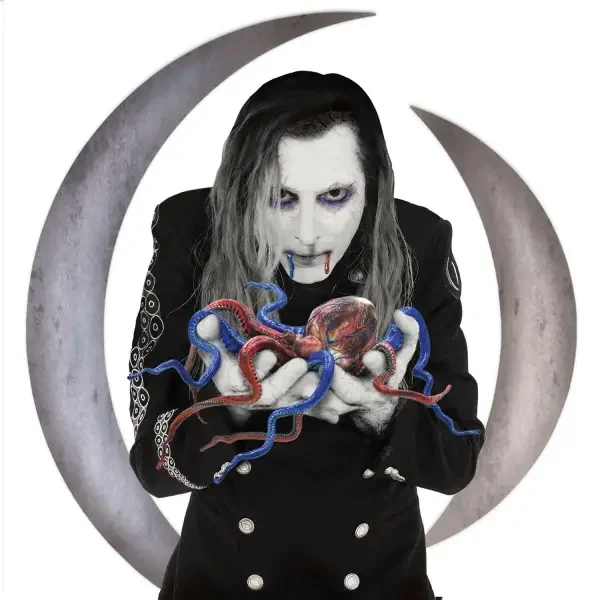
A slow, eerie drift through decay and detachment—less roar, more reckoning. This is a late-night whisper of an album, trading rage for resignation, riffs for shadows, and offering no easy answers—just unease, nuance, and a long, cold stare.

Foo Fighters’ Concrete and Gold feels like a skyscraper built from noise, fury, and raw nerve. It stomps, soars, and occasionally cracks at the edges, but never loses its conviction. An album that demands volume and leaves behind ringing ears and heavy echoes.
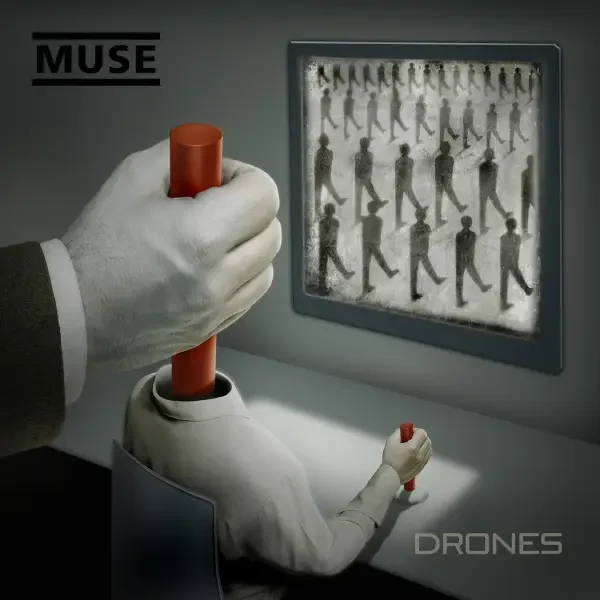
Drones is Muse returning to their core sound with a sneer, not a smile. It’s clunky in spots and wild in others, but it’s alive, and that’s what counts. The album follows a narrative arc—drone to deserter, machine to man—but never lets its concept crowd the actual songs.
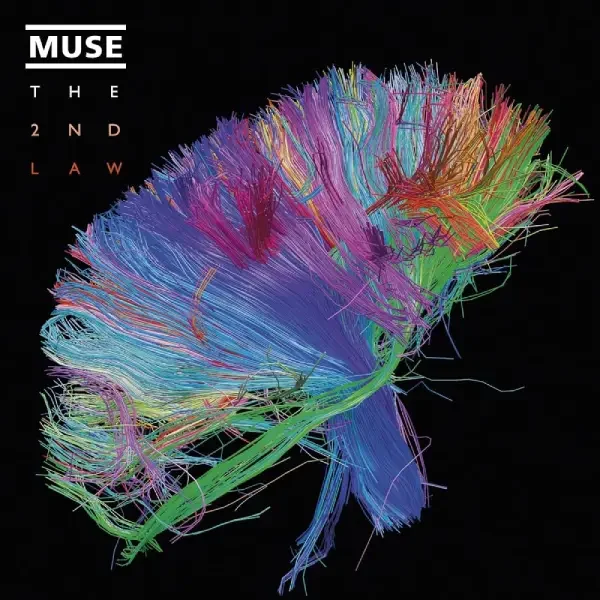
Muse’s The 2nd Law is a dizzying experiment in excess, welding rock spectacle with electronic grit and orchestral blasts. It thrives on audacity, swinging from paranoia to euphoria, a maximalist vision that turns apocalypse into a neon-lit carnival of sound.
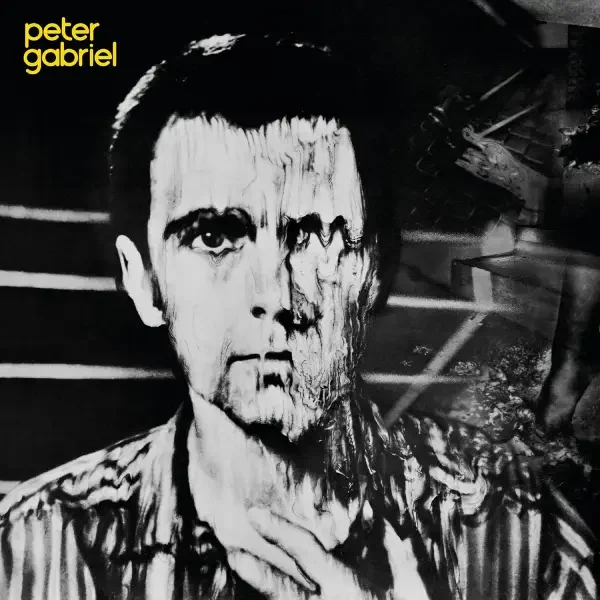
Peter Gabriel’s third solo Peter Gabriel informally dubbed Melt for its cover art doesn’t want to be liked. It wants to stick to your ribs, to whisper weird things in your sleep. And it does. Melt is Gabriel’s broken mirror—and if you’re brave enough to stare, you’ll see more than just his reflection.

The Resistance is oversized, theatrical, and impossible to ignore. Muse take their love of spectacle to its extreme, delivering a record that thrives on excess and stands tall in its wild ambition.
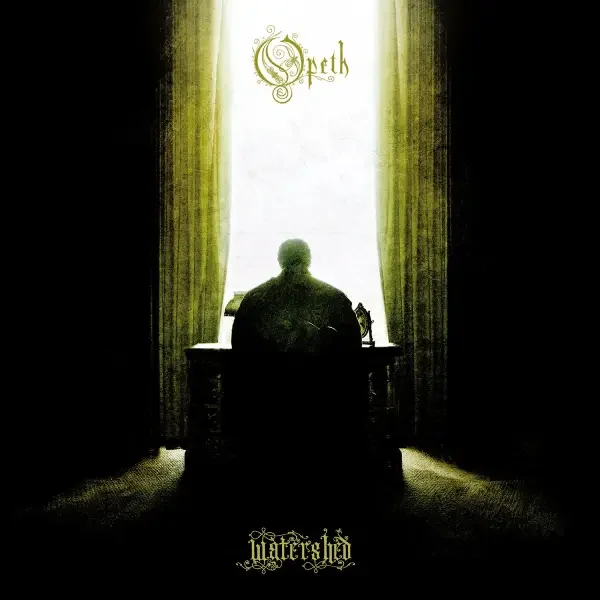
Watershed isn’t tidy. It’s messy, dramatic, and full of left turns. But that’s what makes it fascinating. It doesn’t just mark the end of an era—it shows you what the next one might sound like, even if it doesn’t know exactly how to get there yet.
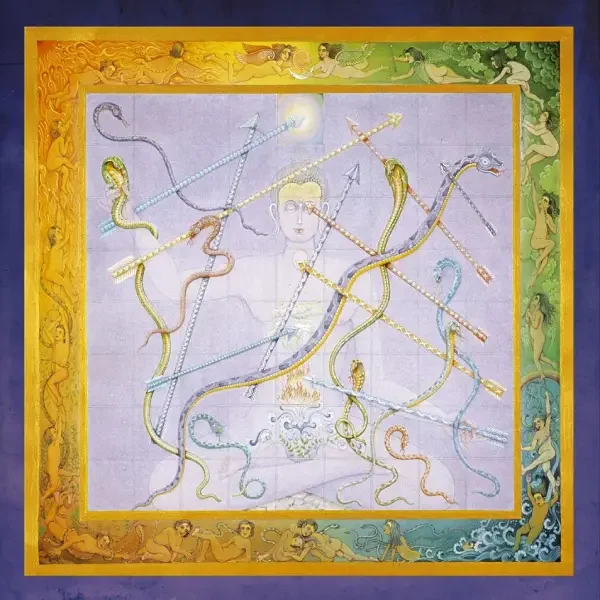
Rush’s Snakes & Arrows isn’t nostalgia—it’s a thunderous, philosophical blast from three veterans still evolving. Gritty, heavy, and full of soul, it finds Lee, Lifeson, and Peart pushing forward with brains, brawn, and zero interest in coasting.