 Post-Punk Revival (aka indie rock revival) surged in the early 2000s as a stripped-down response to the glossy trends dominating mainstream music. Guitars were raw, sharp, and angular, basslines were punchy, and the energy carried a sense of urgency that felt both nostalgic and restless. The sound owed much to late ’70s and early ’80s post-punk and new wave, but it wasn’t about copying; it was about channeling that jagged electricity into something leaner, louder, and unashamedly direct. Fashion and presentation played a role too—skinny ties, vintage jackets, and shaggy haircuts mirrored the music’s tight, wiry approach, reinforcing the idea that rock could be stylish without losing grit.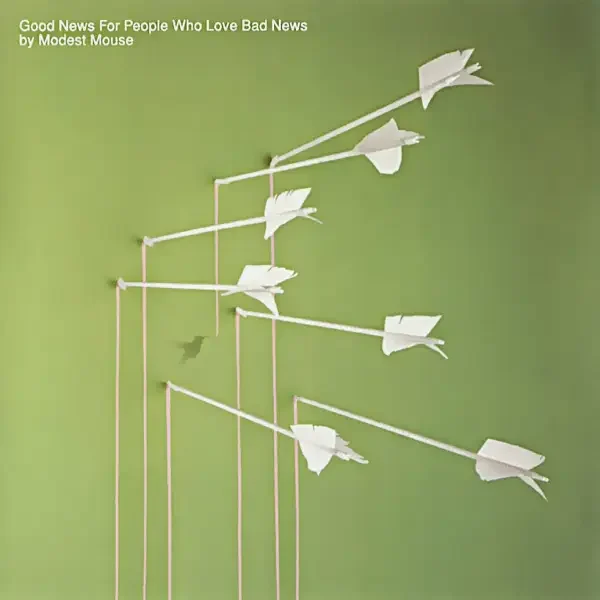
Modest Mouse – Good News for People Who Love Bad News
Good News for People Who Love Bad News is Modest Mouse crashing back to Earth—chaotic, scrappy, and unhinged in the best way. It swings between manic and weary, with anthems like Float On shining through the beautifully off-kilter mess.