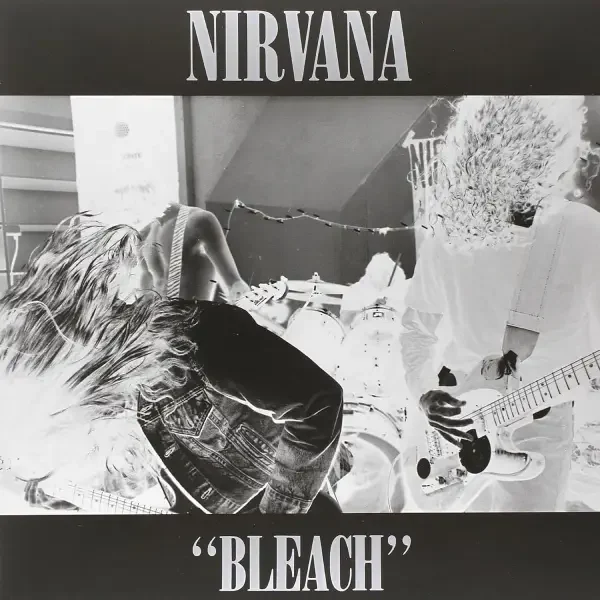
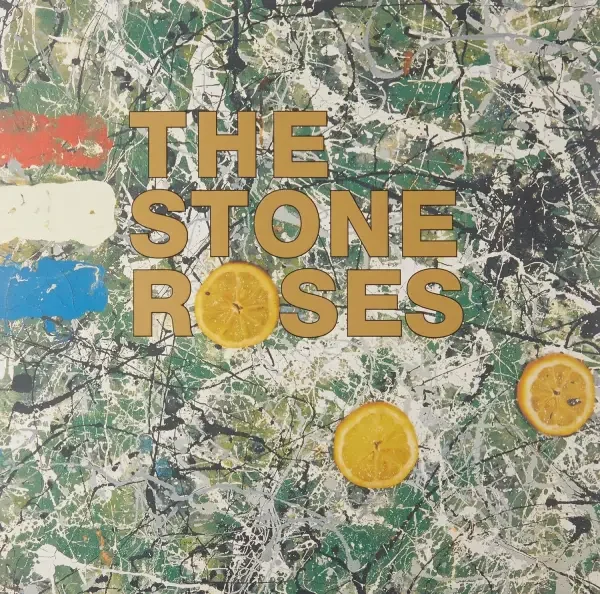
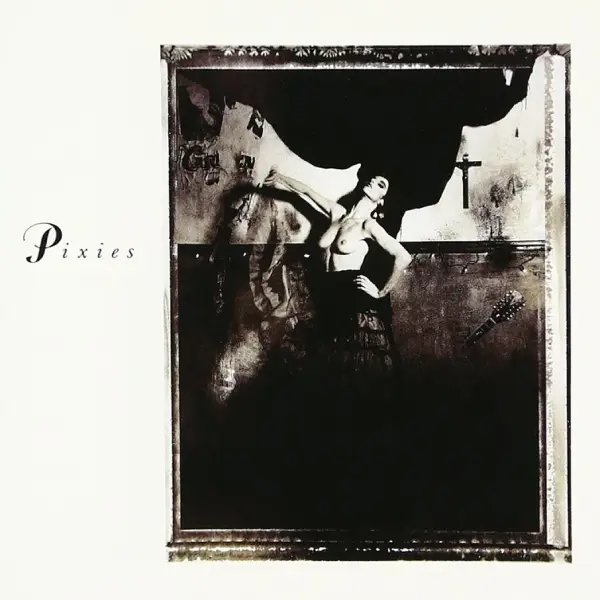
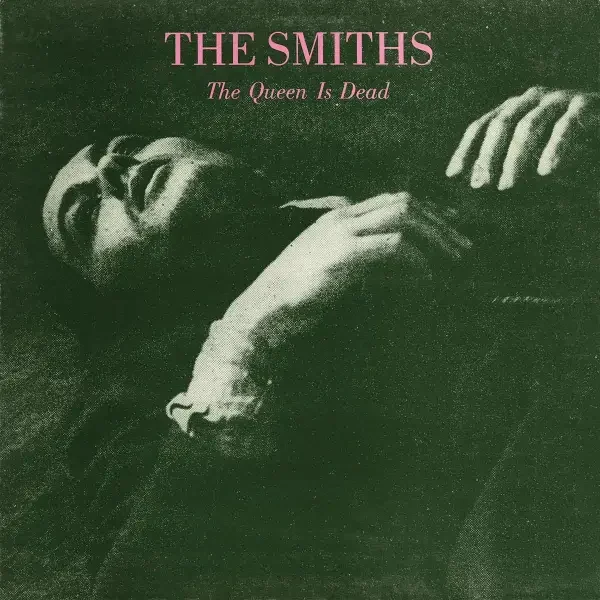
 Indie rock emerged in the early to mid-1980s in the UK, US, and New Zealand, originally referring to rock music released by independent labels before evolving into a distinct genre. Its roots lie in the jangly, melodic Dunedin sound of bands like the Chills and the Clean, as well as early college rock staples like the Smiths and R.E.M. The genre solidified with the UK’s *NME* C86 cassette and the underground rise of Sonic Youth, Dinosaur Jr., and Unrest in the US. By the late 1980s and early 1990s, indie rock expanded with bands like the Pixies and Radiohead signing to major labels, while subgenres such as slowcore, Midwest emo, and shoegaze took shape.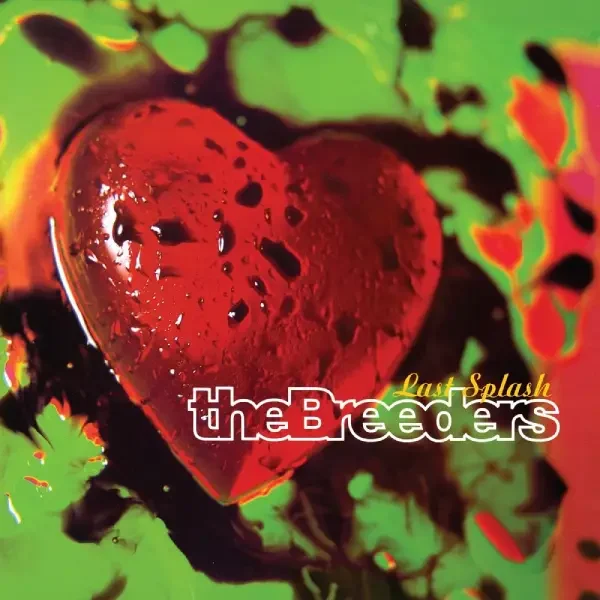
The Breeders – Last Splash
Last Splash is messy, brilliant, and weird in all the right ways. The Breeders swing between pop hooks and sonic experiments without blinking, and it all lands. It’s the kind of album that shrugs off expectations and dances in its own noise.