Alternative Rock

Alternative RockAlternative rock emerged in the 1980s as a rebellious counterpoint to mainstream rock, blending the raw energy of punk with experimental sounds that defied easy categorization. Rooted in underground movements, it gained traction through college radio stations and independent labels, fostering a diverse range of bands that rejected the polished production and commercialism of arena rock. Groups like R.E.M., The Smiths, and Pixies laid the groundwork, creating music that was introspective, jagged, and often infused with a DIY ethos. By the early 1990s, alternative rock exploded into the mainstream, with Nirvana’s Nevermind serving as a watershed moment that brought the genre to millions and paved the way for a new era of rock music.
As alternative rock evolved, it splintered into countless subgenres, from the introspective melancholy of Radiohead to the anthemic hooks of Foo Fighters and the garage rock revival led by The Strokes. Its defining characteristic has always been its ability to adapt, incorporating elements of post-punk, grunge, indie rock, and even electronic influences. The early 2000s saw a resurgence with bands like The White Stripes and Arctic Monkeys, proving that alternative rock remained a vital force in shaping modern music. Even as streaming and digital platforms shift the musical landscape, the genre continues to thrive, with artists pushing boundaries and redefining what alternative rock can be.

  • | |

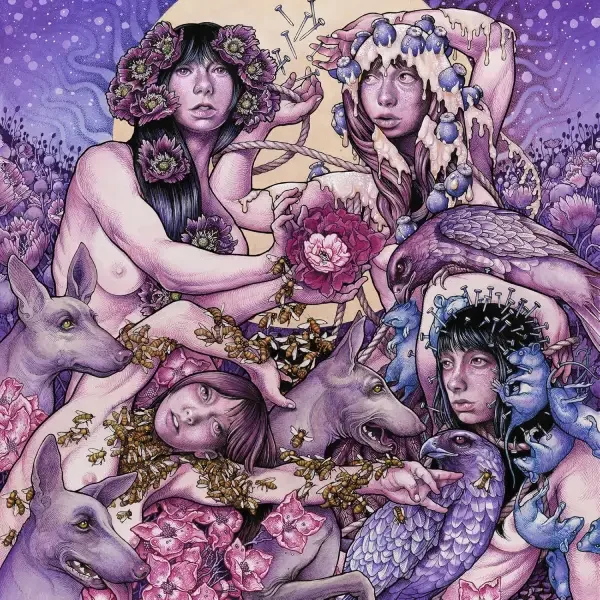
    Baroness – Purple

    Purple channels emotion through weight, melody, and fire. Each track bleeds honesty and determination, turning recovery into art. The sound blurs between anguish and affirmation, proving raw power can carry grace without softening its edge.
  • | |

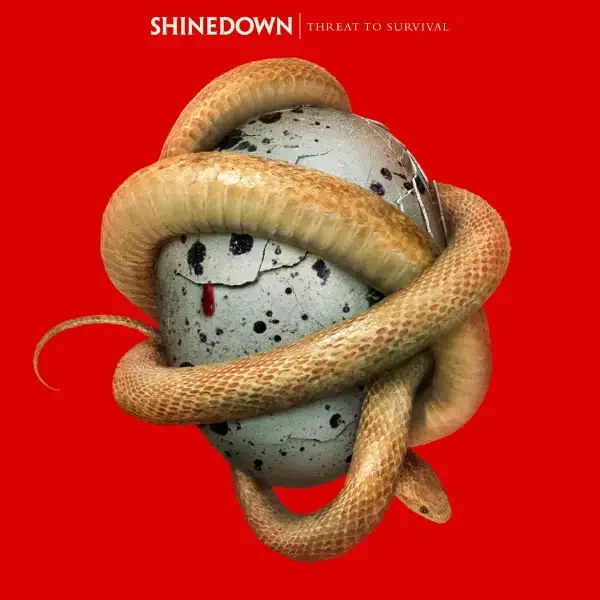
    Shinedown – Threat to Survival

    Threat to Survival finds Shinedown balancing radio-friendly anthems with introspective depth. Packed with catchy hooks and urgent vocals, it blends emotional reflection with powerful rock, reaffirming their resilience without reinventing their signature sound.

  • | | |

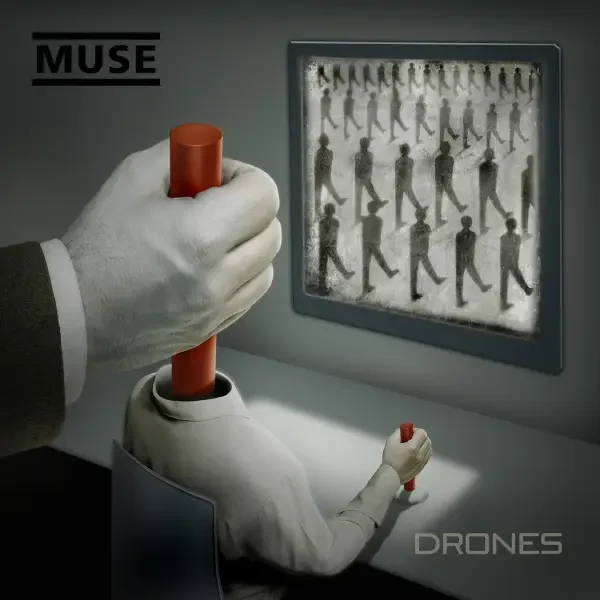
    Muse – Drones

    Drones is Muse returning to their core sound with a sneer, not a smile. It’s clunky in spots and wild in others, but it’s alive, and that’s what counts. The album follows a narrative arc—drone to deserter, machine to man—but never lets its concept crowd the actual songs.

  • | |

    Blur – The Magic Whip

    Moody, neon-lit, and quietly haunting, this reunion drifts through dub, synth, and post-punk like a band ghosting its own past. Reflective, restrained, and razor-sharp, it whispers rather than shouts—and somehow lands even deeper because of it.

  • | |

    Halestorm – Into the Wild Life

    Bold and unhinged, this album ditches predictability for raw risk. Vocals roar, structures bend, and every track swings with guts. Not every shot hits, but the chaos feels alive—sweaty, messy, and unwilling to play it safe.

  • | |

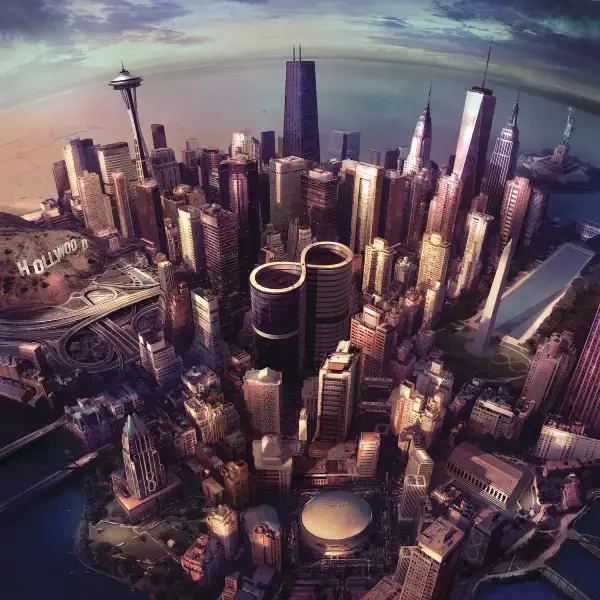
    Foo Fighters – Sonic Highways

    Sonic Highways stands as a noisy road map of American rock spirit. Foo Fighters pull sound from history, heart, and hard-earned miles, creating an album that hums with motion and devotion — proof that persistence can still sound alive.

  • | |

    Spoon – They Want My Soul

    They Want My Soul is Spoon at their most quietly lethal. Every note is clipped, every groove deliberate. It’s slick, spare, and strange in all the right ways. Nothing overreaches, yet everything hits. A slow burn that lingers long after the last note.

  • | | |

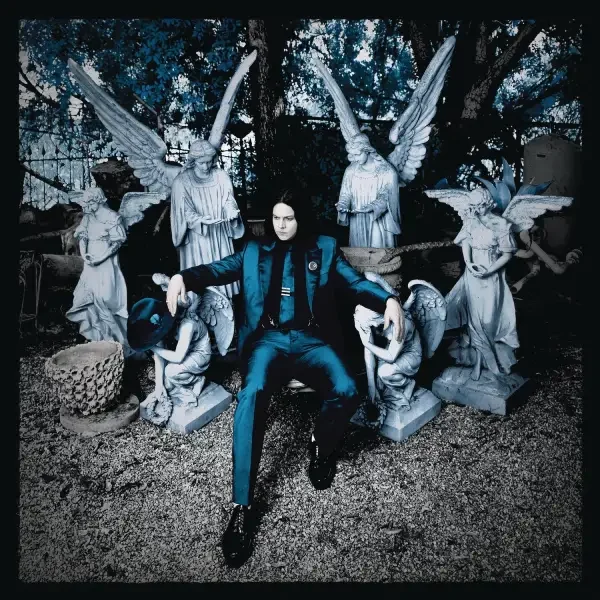
    Jack White – Lazaretto

    The characters in these songs aren’t heroes—they’re hustlers, loners, ex-lovers, and con men trapped in some 21st-century Southern Gothic fever dream. He sounds like he’s arguing with them all, and himself. Lazaretto is messy in the way art is supposed to be.