Alternative Rock

Alternative RockAlternative rock emerged in the 1980s as a rebellious counterpoint to mainstream rock, blending the raw energy of punk with experimental sounds that defied easy categorization. Rooted in underground movements, it gained traction through college radio stations and independent labels, fostering a diverse range of bands that rejected the polished production and commercialism of arena rock. Groups like R.E.M., The Smiths, and Pixies laid the groundwork, creating music that was introspective, jagged, and often infused with a DIY ethos. By the early 1990s, alternative rock exploded into the mainstream, with Nirvana’s Nevermind serving as a watershed moment that brought the genre to millions and paved the way for a new era of rock music.
As alternative rock evolved, it splintered into countless subgenres, from the introspective melancholy of Radiohead to the anthemic hooks of Foo Fighters and the garage rock revival led by The Strokes. Its defining characteristic has always been its ability to adapt, incorporating elements of post-punk, grunge, indie rock, and even electronic influences. The early 2000s saw a resurgence with bands like The White Stripes and Arctic Monkeys, proving that alternative rock remained a vital force in shaping modern music. Even as streaming and digital platforms shift the musical landscape, the genre continues to thrive, with artists pushing boundaries and redefining what alternative rock can be.

  • |

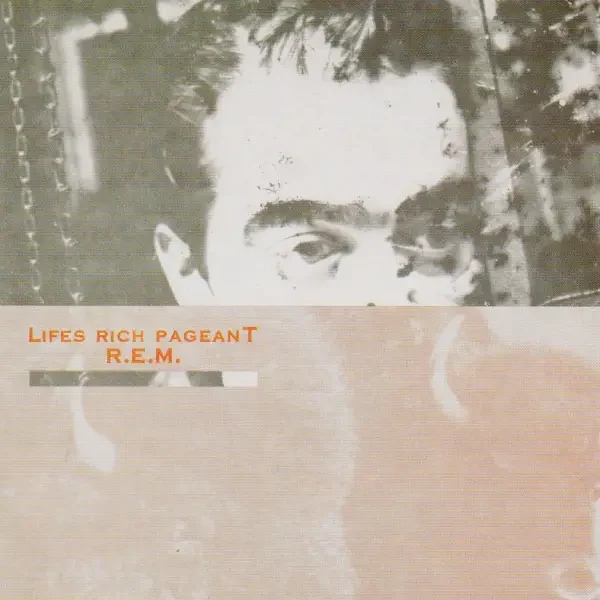
    R.E.M. – Lifes Rich Pageant

    Lifes Rich Pageant is where R.E.M. got louder, clearer, and harder to ignore. They didn’t abandon their southern gothic roots—they electrified them. It’s a transition album, but not a hesitant one. It moves like a band that knows exactly what it’s risking—and does it anyway.
  • | | |

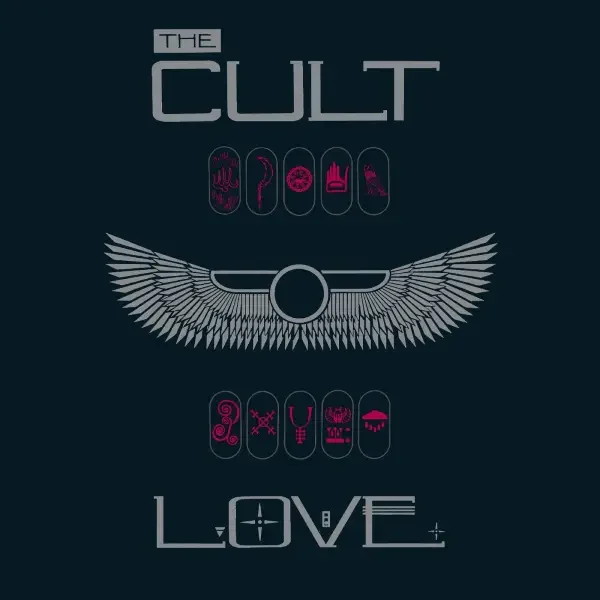
    The Cult – Love

    Love is a swirling ritual of riffs and atmosphere—bold, hypnotic, and gloriously excessive. It plays like a rock séance, summoning both power and mystery in every track. This is rock painted in gothic hues, straining for transcendence, but grounded in riffs you can taste.

  • |

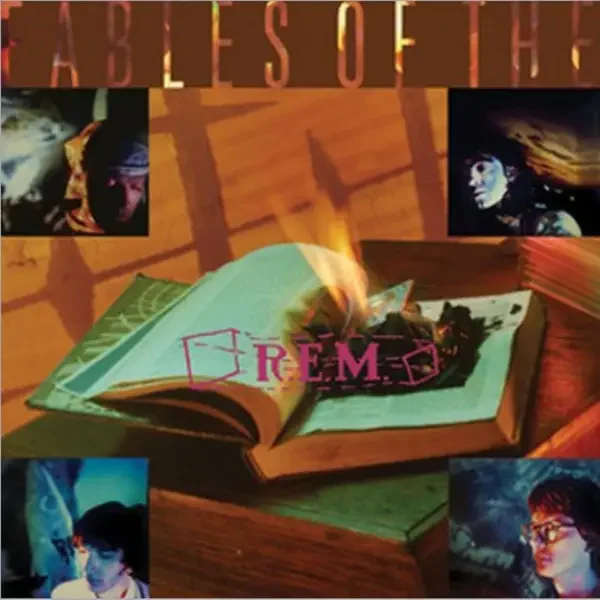
    R.E.M. – Fables of the Reconstruction

    Fables of the Reconstruction feels like a slow walk through abandoned towns and haunted woods. It’s flawed, yes. Sometimes the shadows overtake the melodies. But it’s also one of their most rewarding records—quietly brave and strange in all the right ways.

  • | |

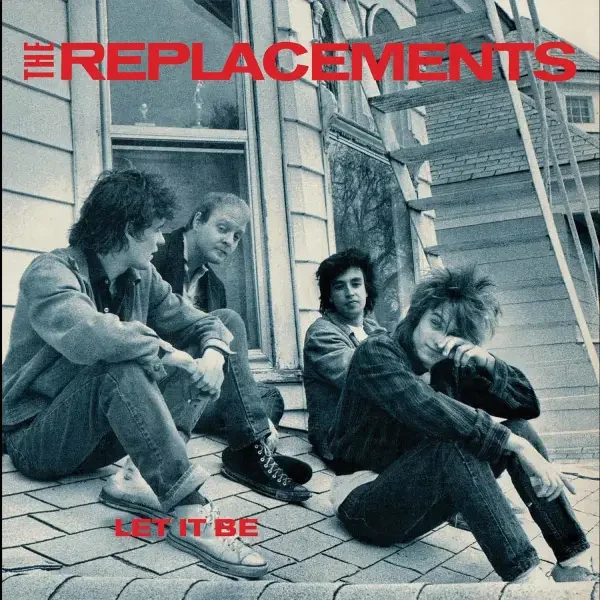
    The Replacements – Let It Be

    The Replacements’ Let It Be is equal parts chaos and confession, rattling between bruised anthems and tender asides. Its messy brilliance lies in how it refuses polish, instead carving sincerity out of cracked voices, scrappy guitars, and restless energy.

  • | |

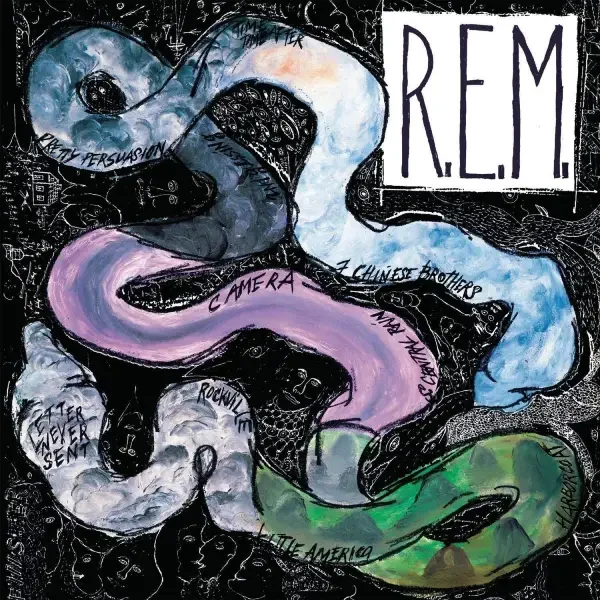
    R.E.M. – Reckoning

    Reckoning trades Murmur’s murk for sharper edges and restless energy. The jangle’s tougher, the rhythms tighter, and Stipe’s cryptic drawl carries new urgency. A revelation wrapped in mystery, it cemented R.E.M. as the defining architects of college rock’s golden age.

  • |

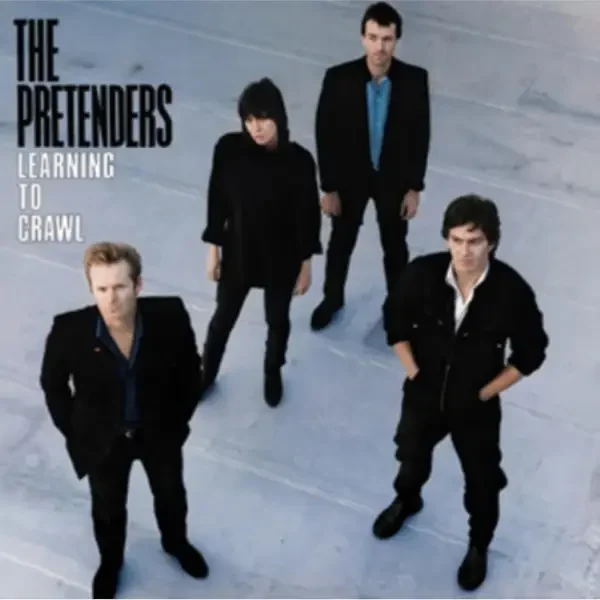
    Pretenders – Learning to Crawl

    Learning to Crawl stands as a declaration of survival, mixing loss, anger, and resilience into lean, muscular rock. Every song feels necessary—carved from grief, sharpened by time, and delivered with unflinching clarity.

  • | | | |

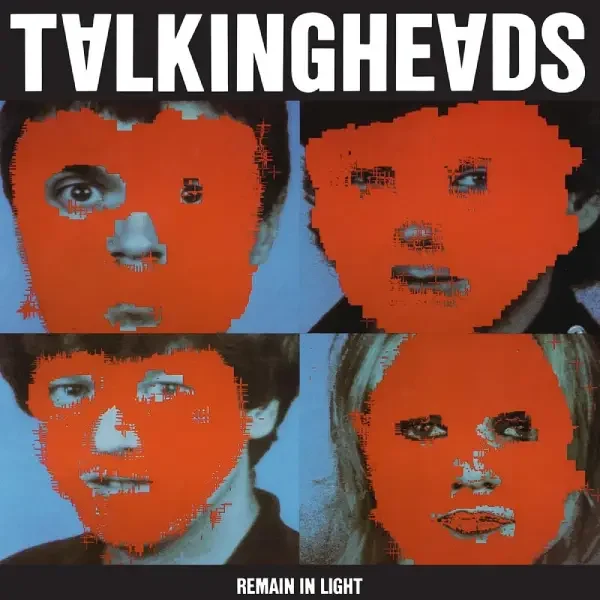
    Talking Heads – Remain in Light

    Talking Heads – Remain in Light This record doesn’t play by familiar rules. It pulses, it writhes, it churns like a machine given flesh. The grooves feel endless, but instead of circling the drain they spiral upward, gaining force with every repetition. Voices cut in and out like transmissions from another frequency, sometimes frantic, sometimes…