Blur – Blur
A gritty, hook-heavy reinvention powered by slanted guitar tones, weary charm, and swaggering looseness. The album thrives on rough edges and emotional grit, creating a set of songs that feel immediate, busted-up, and sharply alive.
Disclosure: As an Amazon Associate we earn from qualifying purchases.

 Alternative rock emerged in the 1980s as a rebellious counterpoint to mainstream rock, blending the raw energy of punk with experimental sounds that defied easy categorization. Rooted in underground movements, it gained traction through college radio stations and independent labels, fostering a diverse range of bands that rejected the polished production and commercialism of arena rock. Groups like R.E.M., The Smiths, and Pixies laid the groundwork, creating music that was introspective, jagged, and often infused with a DIY ethos. By the early 1990s, alternative rock exploded into the mainstream, with Nirvana’s Nevermind serving as a watershed moment that brought the genre to millions and paved the way for a new era of rock music.
As alternative rock evolved, it splintered into countless subgenres, from the introspective melancholy of Radiohead to the anthemic hooks of Foo Fighters and the garage rock revival led by The Strokes. Its defining characteristic has always been its ability to adapt, incorporating elements of post-punk, grunge, indie rock, and even electronic influences. The early 2000s saw a resurgence with bands like The White Stripes and Arctic Monkeys, proving that alternative rock remained a vital force in shaping modern music. Even as streaming and digital platforms shift the musical landscape, the genre continues to thrive, with artists pushing boundaries and redefining what alternative rock can be.
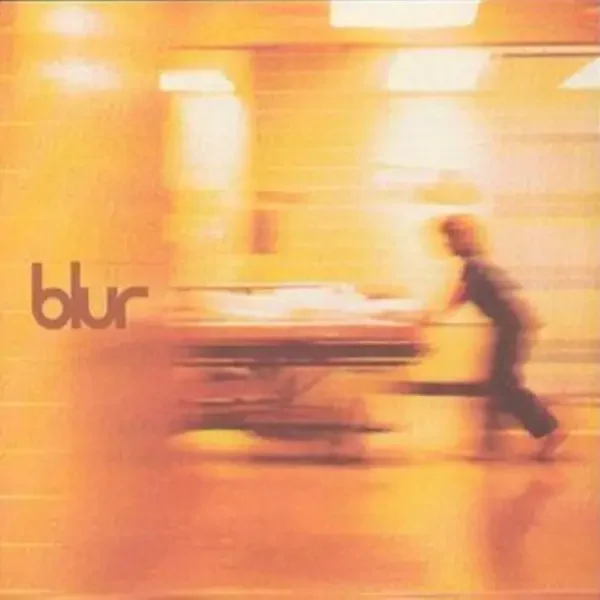
A gritty, hook-heavy reinvention powered by slanted guitar tones, weary charm, and swaggering looseness. The album thrives on rough edges and emotional grit, creating a set of songs that feel immediate, busted-up, and sharply alive.
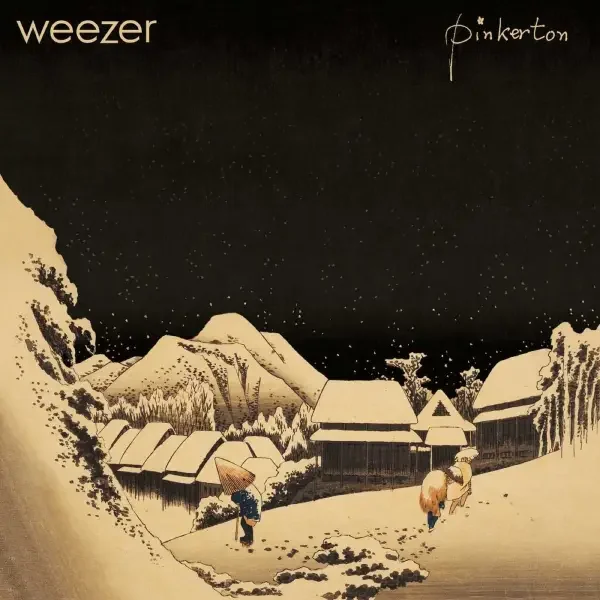
Pinkerton is an album of exposed nerves and cracked melodies. Every track feels reckless, vulnerable, and brutally honest, making it one of those rare records that thrives on its flaws instead of hiding them.
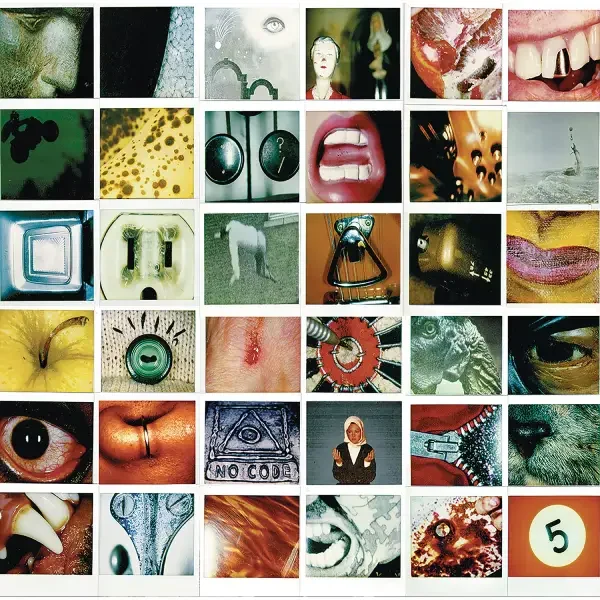
No Code doesn’t care what you expect. It shuffles, howls, whispers, and disappears when you get too close. A fractured, soul-searching record that shows Pearl Jam rebuilding in real time—messy, honest, and strangely beautiful.
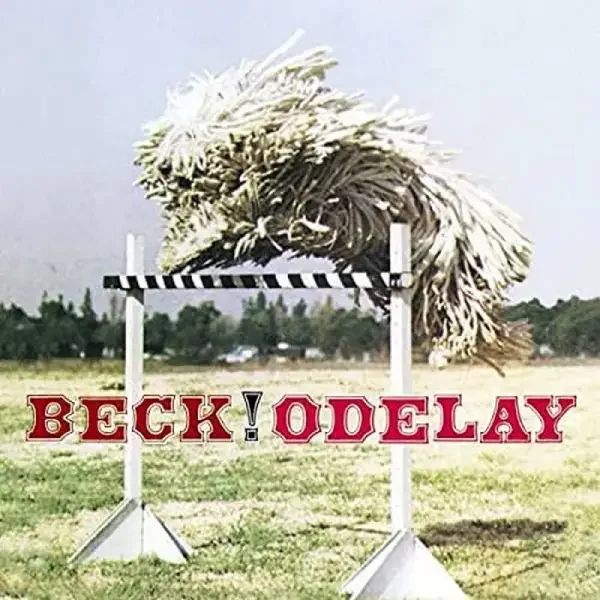
On Odelay Beck hauled in the Dust Brothers and went full mad scientist, stitching hip-hop beats to garage rock riffs to country twangs and mariachi horns like Frankenstein had access to a sampler. kinda sounds like a thousand radio stations, finding themselves weirdly in tune.
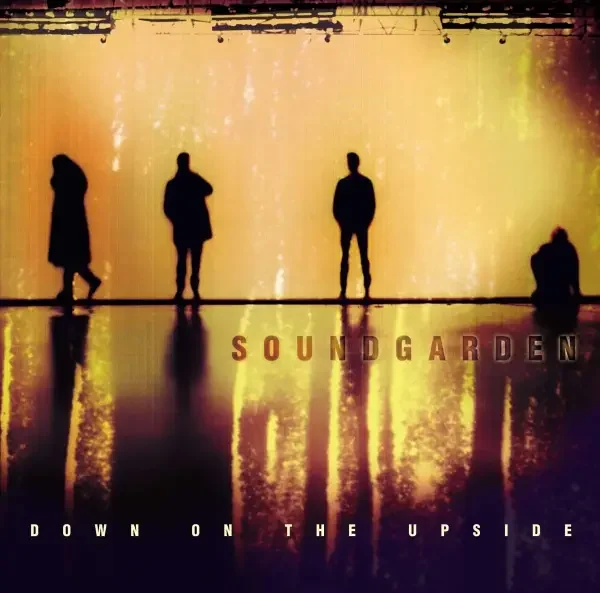
Down on the Upside doesn’t try to tie things up in a bow. It leaves threads hanging, doors ajar. That restlessness, that refusal to conform even to their own myth, is what makes it last. Soundgarden weren’t just burning out—they were setting fire to their own rulebook.
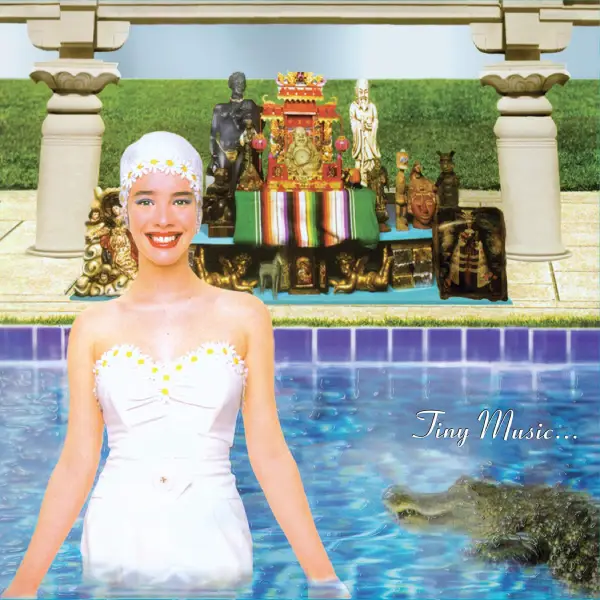
Tiny Music… Songs from the Vatican Gift Shop refines alternative rock through swaggering grooves, textured guitars, and theatrical vocals. Stone Temple Pilots balance polish and personality, crafting hooks that land with confident flair and character.
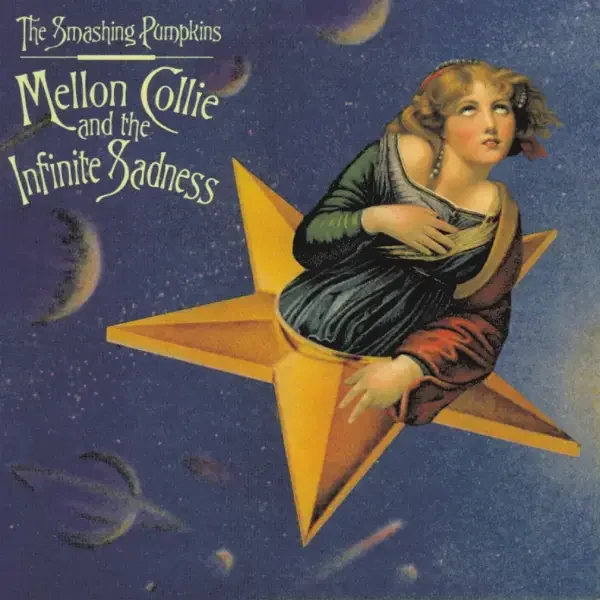
Mellon Collie and the Infinite Sadness thrives on scale, chaos, and contradiction. Its ambition borders on reckless, yet within the noise and tenderness lies a collection of songs that sound like both an apocalypse and a prayer.
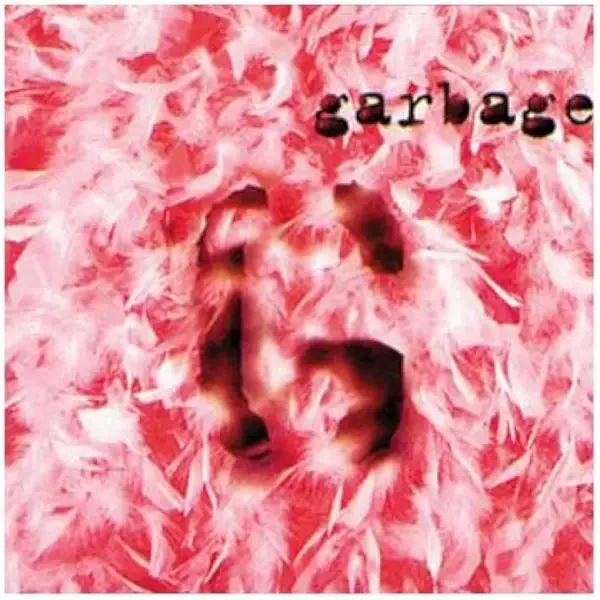
Garbage’s debut snarls and seduces in equal measure. It’s a slick, grimy hybrid of alt-rock and trip-hop that revels in its contradictions, powered by Shirley Manson’s magnetic sneer and a production team that turned chaos into something you could dance to.
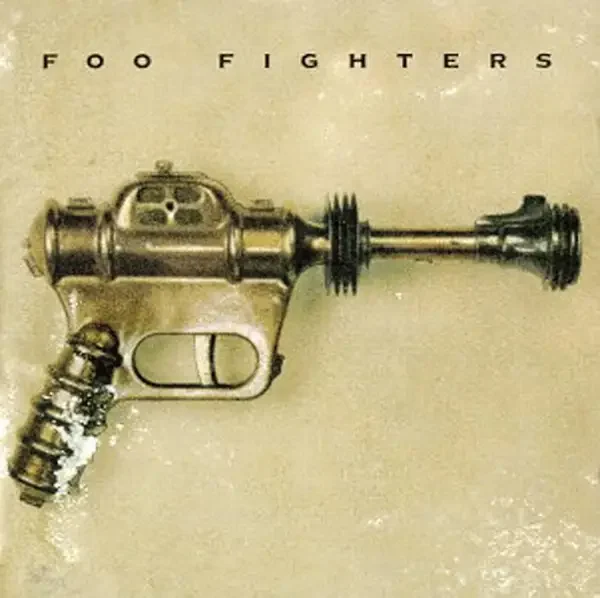
Grohl recorded nearly everything himself, and that DIY urgency bleeds into every moment. The production is raw but effective, like duct tape holding together busted headlights before a joyride. It sounds like someone rediscovering their voice by screaming through the static.
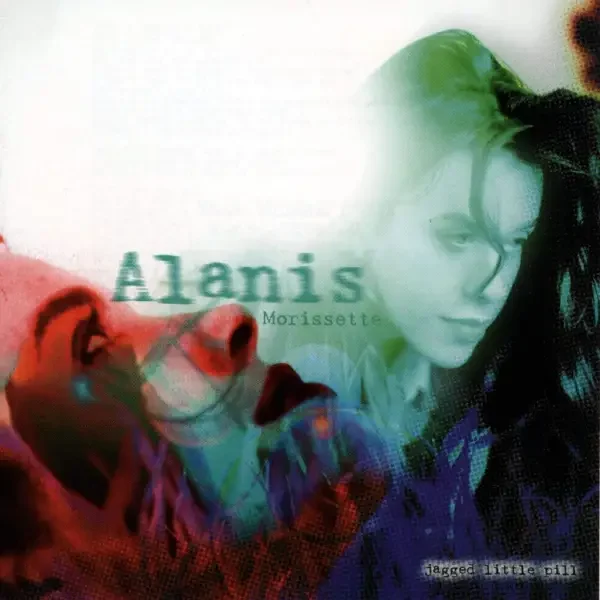
The genius of Jagged Little Pill isn’t in how angry or vulnerable it is—it’s in how both exist in the same breath. She writes like someone who’s been dismissed too often and finally learned how to weaponize honesty.