
The Who
– The Who Sell Out
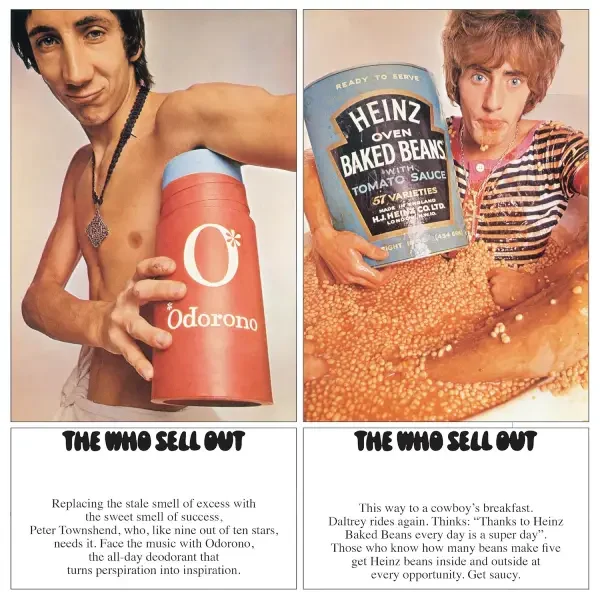
The Who Sell Out plays like a pirate broadcast from a parallel universe where rock and advertising got drunk together and decided to share the same microphone. Each track leaks radio static, jingles, and hooks so catchy they sound suspiciously engineered for a product that doesn’t exist. It’s satire disguised as sincerity, and sincerity disguised as noise. Pete Townshend turns the idea of a concept album into a billboard for his own nervous brilliance.


Best of…
Every second of the record sounds alive—wired, caffeinated, and borderline unhinged. Keith Moon plays like a demolition expert, tossing explosions between beats. Entwistle’s bass hums with the weight of a lurking threat beneath Townshend’s gleeful chaos. Roger Daltrey treats melody like a weapon, cutting through layers of irony with sheer conviction. The music grins while it bites.
What makes Sell Out immortal is its lack of apology. It’s an album obsessed with sound, fame, and the strange circus of selling one’s soul in three-minute increments. The humor lands like confession, the noise like therapy. It’s pop music wired to self-destruct, and every detonation feels glorious.
Choice Tracks
Armenia City in the Sky
An opening hallucination dressed as a jingle. Psychedelic haze meets manic precision, the sound of a dream trying to sell itself back to you.
Mary Anne with the Shaky Hand
A wink disguised as a love song. Townshend’s melody teases, while Daltrey delivers the words with that perfect mix of innocence and mischief.
I Can See for Miles
Pure voltage. Daltrey sounds prophetic, Moon thrashes like thunder, and Townshend’s guitar sharpens the horizon until it cuts.
Tattoo
Earnest and absurd at once, the song lingers like an inside joke between outcasts. Bruce humor and tenderness coexist without explanation.
The Who Sell Out turns radio culture into art and mockery all at once. The band weaponizes pop precision and self-awareness, crafting a record that sounds both spontaneous and surgical—a noisy love letter to commercial absurdity and rock’s own self-obsession.