
The Jam
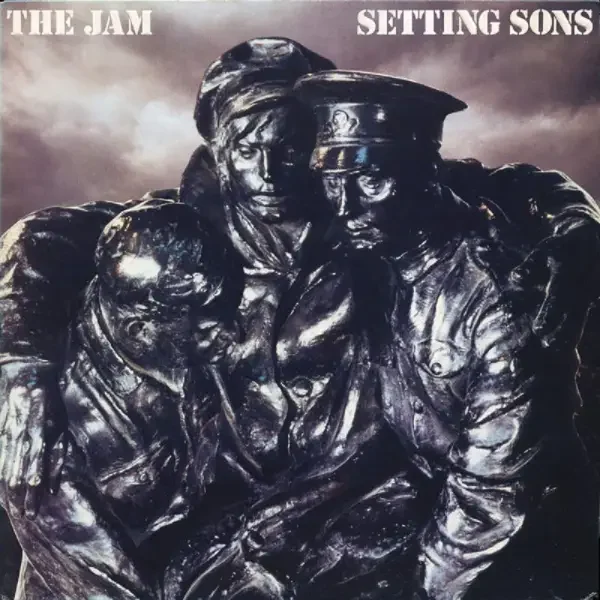
– Setting Sons
Setting Sons bristles with the urgency of a band stretching its muscles and daring the listener to keep up. The Jam sound lean, impatient, and utterly committed. Paul Weller spits his words like sharp nails, driven by Bruce Foxton’s bass that refuses to stay in the background and Rick Buckler’s crisp, martial precision. Nothing feels ornamental. Every line, every riff, is a weapon pointed outward.


Best of…
There’s a sense of frustration sewn into the fabric of the record. The songs pulse with restlessness, turning personal rage into collective anthems. Weller’s lyrics stare down hypocrisies with teeth bared, and the band plays with the discipline of soldiers who’ve decided rebellion is the only way forward. The sound is both clipped and expansive—tight rhythms, sudden bursts of melody, edges honed until they sting.
And yet, beneath the clenched fists, there’s vulnerability. Anger doesn’t erase doubt, and defiance can’t entirely mask longing. That tension is what makes the album bite harder. Setting Sons is political, emotional, and personal all at once, a collision of youthful ferocity and bitter reflection. It’s an album that doesn’t ask—it demands.
Choice Tracks
Thick as Thieves
A tale of fractured bonds that aches beneath the swagger. The groove is infectious, but the regret in Weller’s voice cuts through, making the bravado ring hollow.
The Eton Rifles
Fury turned into a chant. Every word lands like a strike, the rhythm charges forward like a march, and the chorus digs its hooks deep, impossible to ignore.
Burning Sky
Ambition twisted into emptiness. The band plays with sharp restraint, letting the coldness of the lyric hang heavy, while the edges of the music keep it biting.
Smithers-Jones
Foxton steps up with biting commentary wrapped in a deceptively buoyant groove. The mix of jaunty delivery and caustic lyric turns it into satire that stings.
Setting Sons fuses clenched-fist energy with sharp political bite and flashes of vulnerability. The Jam play like a unit on edge, balancing swagger with unease, turning rage and doubt into one of their fiercest and most urgent statements.