
The Clash
– Sandinista!
A sprawling storm of invention where noise becomes conviction and chaos finds purpose.
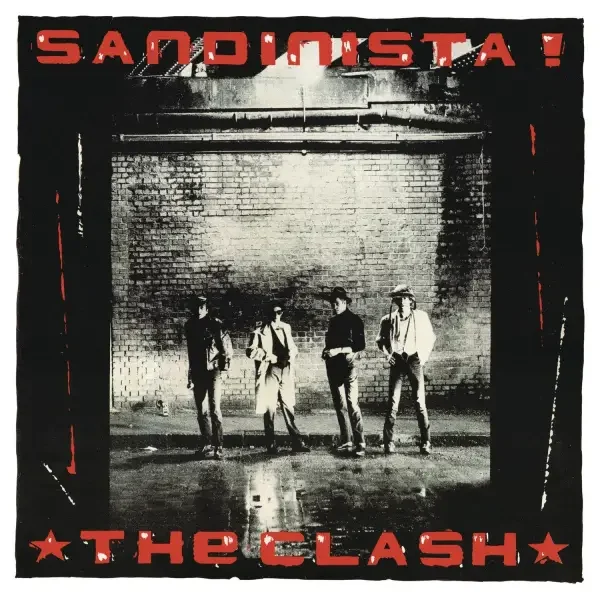
Sandinista! sprawls like a fevered manifesto, an unfiltered transmission from a band tearing through every boundary they can find. The songs clash and converge, bursting with rhythm, politics, and unguarded experimentation. It’s chaotic, messy, and fiercely alive—a daring refusal to sit still.


Best of…
The sound jumps between moods with reckless conviction. Beats twist into dub haze, punk charge gives way to gospel sway, and fragments of street music collide like signals from a pirate radio. The sprawl feels deliberate: a document of motion, resistance, and creative exhaustion fused into electricity.
Every corner holds contradiction and courage. The Clash sound unafraid of failure, using excess as a form of honesty. The result feels less like a statement and more like a living system—songs breathing, mutating, and daring you to keep up.
Choice Tracks
The Magnificent Seven
A pulsing groove anchored in rhythmic repetition and social commentary. The delivery feels half sneer, half sermon, tracing city life with vivid frustration. It’s hypnotic and jagged, proof that punk’s fire can live inside a funk heartbeat.
Hitsville U.K.
Sweet on the surface, biting underneath. The harmonies shimmer while the lyrics critique the machinery of fame. The melody swings like pop, but the sentiment stays defiant, showing the band’s ability to smuggle rebellion inside charm.
Somebody Got Murdered
Urgent and mournful, this track captures violence as both tragedy and inevitability. The guitars cut like alarm bells, and the vocals hang heavy with disbelief. It’s a street elegy, rendered with empathy instead of spectacle.
The Call Up
Built on a steady pulse, it moves like a march for conscience. The repetition drives the message deeper: obedience costs identity. The tone remains cool, but the implication burns—this is protest shaped into rhythm and reflection.
Washington Bullets
A political diary set to tropical rhythm. The percussion sparkles while the words name names and draw blood. It turns critique into melody, blending cynicism with compassion in a way that feels raw, human, and unvarnished.
The Street Parade
A closing swirl of voices, brass, and percussion that sounds like hope rebuilding from static. The energy feels communal, as if the chaos has birthed a new order. It’s ragged, inclusive, and strangely uplifting—an ending that feels like a beginning.
Sandinista! explodes with ambition, capturing rebellion as creative motion. Its scale invites both fatigue and awe, yet its courage defines it. The album endures as a restless experiment, the sound of freedom pressed onto tape and left to spark.