
Syd Barrett
– The Madcap Laughs
A fragile masterpiece where genius flickers through the static—aching, eccentric, and unforgettable.
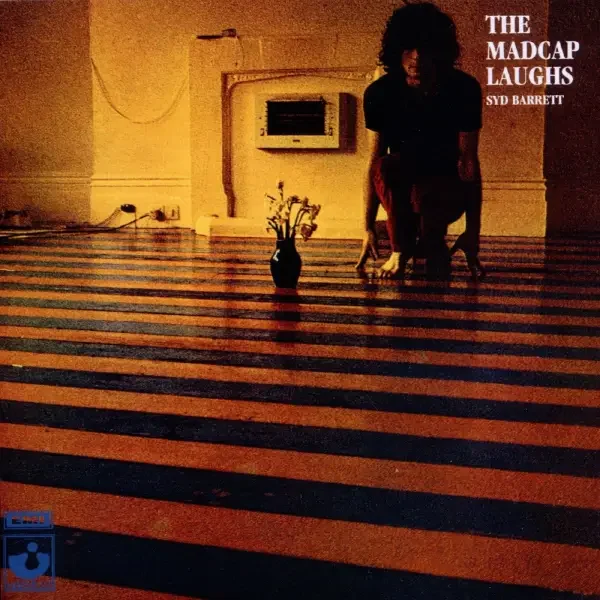
Syd Barrett’s The Madcap Laughs sounds like a man trying to make sense of the pieces left scattered on the studio floor. The songs drift between lucid charm and fractured rambling, never landing for long, yet every moment glows with unfiltered presence. His voice trembles with vulnerability, and his guitar feels like it’s remembering how to play itself. The rough edges aren’t flaws—they’re the texture of Barrett’s mind captured in motion.


Best of…
The album walks a thin line between intimacy and unease. It’s as if the listener stumbled into a private performance, hearing someone rediscover melody in real time. Barrett’s lyrics tumble out in half-thoughts and strange rhymes, sharp and playful one second, spectral the next. What gives The Madcap Laughs its power is its lack of polish; the imperfections become the message. Every crack in his delivery deepens the sense of being somewhere both magical and unstable.
Even at its most erratic, the album feels deliberate in its chaos. The production lets Barrett’s fragility breathe, never burying the songs beneath gloss or pity. The silences are as important as the notes—they frame the instability like an artist outlining the ghosts in his own head. Listening today, it still feels raw, uncomfortable, and deeply human.
Choice Tracks
Terrapin
“Terrapin” opens the album with a dreamlike calm, Barrett’s voice floating over a meandering rhythm. The warmth feels almost accidental, a strange serenity built from hesitation. It’s the sound of solitude turning into fragile beauty, one chord at a time.
No Good Trying
This track snaps between clarity and disarray, Barrett strumming as if the guitar might vanish mid-song. His words blur, teetering between nonsense and revelation. The energy is restless but magnetic, like catching lightning in a cracked jar.
Dark Globe
A haunting centerpiece, “Dark Globe” strips everything to bone and nerve. Barrett pleads and stammers through the void, his voice cracking with real distress. It’s uncomfortable and moving at once—a document of someone facing the mirror too long.
Octopus
“Octopus” bursts with manic poetry, tangled in surreal wordplay and sudden shifts. The tempo jumps like a skipping record, yet every moment feels alive with invention. Barrett turns chaos into motion, building a strange world out of fragments.
Long Gone
Sparse and weary, “Long Gone” lingers like an unanswered letter. The rhythm drifts, and Barrett’s voice fades between resignation and confession. It’s a song suspended in memory, heavy with a sadness that feels too private to witness.
Syd Barrett’s The Madcap Laughs captures brilliance in disarray, a fragile portrait of creativity unraveling but never extinguished. Its beauty lies in imperfection, turning fragments of melody and emotion into something hauntingly alive and painfully sincere.
It is a hauntingly beautiful and unfiltered glimpse into the mind of one of rock’s most enigmatic figures. The album’s lo-fi production and fragmented structure create an intimate, almost otherworldly atmosphere that reflects Barrett’s unique artistic vision. Its blend of whimsical melodies, surreal lyricism, and unpolished vulnerability makes it a deeply personal and profoundly affecting work.