
Soundgarden
– Superunknown
A towering record that turns heaviness into atmosphere and intent.
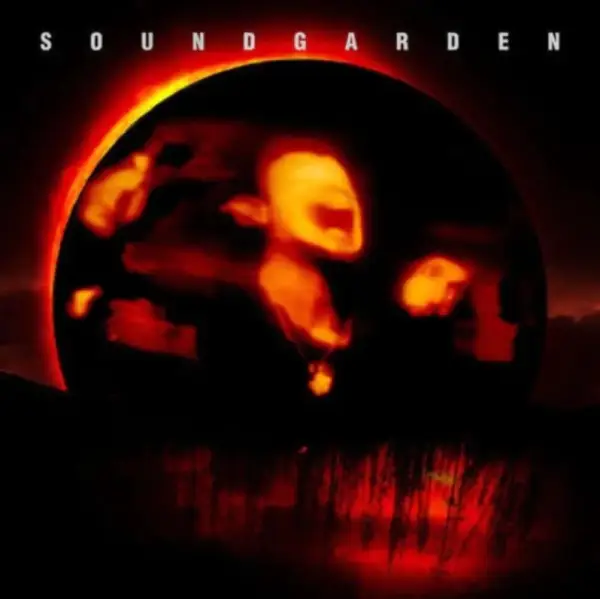
Soundgarden expand their vision on Superunknown with music that feels massive, unsettled, and deeply physical. The album thrives on density and mood, building tension through weight rather than speed. Every song carries a sense of pressure that never fully lifts.


Best of…
The band leans into twisted rhythms and thick guitar tones that feel sculpted rather than flashy. Riffs bend and grind with intent. Drums punch hard while leaving space for unease. Chris Cornell’s voice rises and coils through the mix, sounding strained, feral, and focused.
Lyrically, Superunknown obsesses over dread, isolation, and warped perception. The words favor imagery that feels internal and unsteady, matching the music’s slow churn. Soundgarden hold the listener inside that atmosphere, letting repetition and heaviness do the work.
Choice Tracks
Black Hole Sun
A deceptively smooth surface hides a creeping sense of unease. The melody lingers with a strange warmth while the lyrics drift into surreal dread, turning familiar songcraft into something quietly unsettling and persistent.
Spoonman
Driven by grinding rhythm and physical momentum, the song celebrates movement and labor with blunt force. The groove feels muscular and grounded, turning repetition into propulsion rather than comfort.
Fell on Black Days
Built around resignation and inward reflection, the track sinks into mood without release. The restrained pacing and weighty chords support a vocal performance that sounds burdened, weary, and fully committed to its gloom.
The Day I Tried to Live
A slow-burning confrontation with pressure and expectation, carried by thick riffs and deliberate pacing. The song presses forward with heaviness that feels psychological, letting tension accumulate rather than explode.
Superunknown captures Soundgarden at full scale, blending weight, mood, and unease into songs that feel oppressive and immersive. The album’s power comes from its patience, letting heaviness and repetition carve lasting impact.
Superunknown is where Soundgarden went from grunge heavyweights to something far bigger, stretching their sound into strange, expansive territory without losing an ounce of muscle. It’s an album that thrives on contradiction—brutal yet beautiful, psychedelic but punishing, introspective and explosive in equal measure. The riffs are massive, the rhythms twist and turn in unexpected ways, and the sheer weight of it all feels like gravity itself has been amplified. But there’s a depth here that sets it apart from the riff-heavy anthems of their past. This isn’t just about volume—it’s about atmosphere, mood, and a slow-burning intensity that never lets go.
The production pulls off something remarkable, making the band’s most complex and ambitious work still feel raw and immediate. There’s an eerie quality to the way melodies snake through the mix, how everything seems to shimmer and distort just a little at the edges. Even at its catchiest, there’s a sense of unease lurking beneath, like the ground might give out at any second. The sound is thick, layered, and immersive—heavy in every sense of the word.
But what really makes Superunknown last isn’t just the sonic power—it’s the emotion running through every moment. There’s darkness here, but it’s never hollow. It’s the kind of album that doesn’t just play in the background; it pulls you in, drags you through its highs and lows, and leaves you somewhere different on the other side. Few records capture the feeling of staring into the abyss with this much power, and even fewer make you want to dive back in.
“Let Me Drown” kicks things off with a tidal wave of guitar sludge, Chris Cornell wailing like he’s ascending and descending at the same time. It’s Soundgarden doing what they do best—sounding absolutely massive, while somehow keeping it all swinging like a wrecking ball with rhythm. Then there’s “My Wave,” a syncopated head-trip that shifts and shimmies like it’s daring you to keep up. Kim Thayil’s guitar work here? A controlled burn, twisting around that freakish 5/4 time signature like it’s the most natural thing in the world.
“Fell on Black Days” is Cornell at his most haunted, his voice stretched between resignation and revelation. There’s a heaviness that doesn’t just come from the guitars—it’s in the spaces between them, the way the song never fully resolves, like it’s circling the drain but never quite going under. And then there’s “Superunknown,” a track that somehow manages to be cryptic and anthemic at the same time, with Matt Cameron’s drumming keeping everything from spiraling into oblivion.
But the moment, the one that still hits like an out-of-body experience, is “Black Hole Sun.” A dream or a nightmare, depending on your mood. Those warped, surreal guitars coil around Cornell’s croon like something beautiful decaying in slow motion. It’s hypnotic, sinister, and just detached enough to feel like it’s watching you rather than the other way around. And just when you think you’ve reached the end of the abyss, “The Day I Tried to Live” pulls you back in—equal parts desperation and defiance, a song that somehow makes trying and failing feel like a victory in itself. That’s Superunknown in a nutshell: it doesn’t just reflect the darkness, it makes you sit with it until you start to see the light bending around the edges.