
Sinéad O’Connor
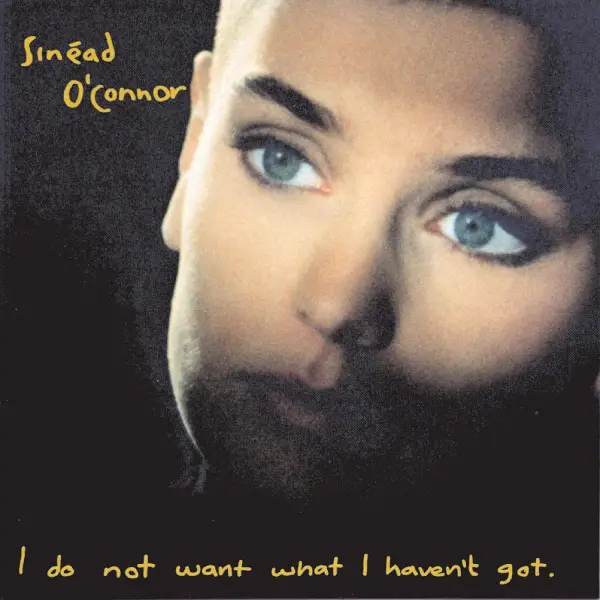
– I Do Not Want What I Haven’t Got
A fearless statement that turns emotional honesty into lasting power.
This album arrives with nerve and focus. I Do Not Want What I Haven’t Got speaks in a clear voice that refuses ornament. The songs rely on conviction, space, and emotional directness. Every choice feels deliberate and exposed.


Best of…
Sinéad O’Connor sings with total presence. Her voice carries strength, fragility, and authority in equal measure. The performances communicate belief rather than technique. Silence and restraint amplify the impact of every phrase.
The record holds a stark emotional line. Spiritual searching, personal resolve, and public defiance share the same air. Nothing feels softened for comfort. The album’s power comes from its refusal to dilute feeling or message.
Choice Tracks
Nothing Compares 2 U
Sparse arrangement leaves the vocal fully exposed. Every breath carries emotional weight. The song resonated culturally through its raw honesty, presenting grief and longing without protection and allowing vulnerability to command attention rather than seek sympathy.
The Emperor’s New Clothes
Sharp rhythms and assertive delivery frame a declaration of autonomy. The song projects confidence and clarity. Its cultural force comes from self-definition spoken plainly, rejecting expectation through presence, tone, and unyielding self-belief.
Black Boys on Mopeds
This track uses gentle instrumentation to deliver political grief and moral clarity. The vocal remains steady and restrained. Its impact comes from calm outrage, framing social injustice through empathy rather than spectacle.
I Am Stretched on Your Grave
Traditional melody meets modern tension through repetition and intensity. The vocal performance feels possessed and focused. The song stands out for merging devotion and obsession into a single emotional current that feels timeless and immediate.
I Do Not Want What I Haven’t Got channels conviction through restraint, silence, and emotional exposure. The album’s force comes from clarity of purpose and fearless vocal presence, offering songs that speak plainly while carrying lasting cultural weight.
Sinéad O’Connor strips everything down to its barest emotions, singing with an urgency that feels almost confrontational. But confrontation, in her hands, isn’t about aggression—it’s about truth. The production is sparse, the arrangements often stark, as if anything more would get in the way of what really matters. And what matters here is the voice—fierce, wounded, defiant, tender—all at once, never settling into a single emotion for long.