
Radiohead
– The Bends
A statement of emotional precision that turns pressure into lasting resonance.
The Bends captures a band sharpening its emotional vocabulary through pressure and release. The songs lean into anxiety, physical sensation, and public exposure. Every performance feels urgent and alert. The album communicates tension through melody and volume rather than grand statements.
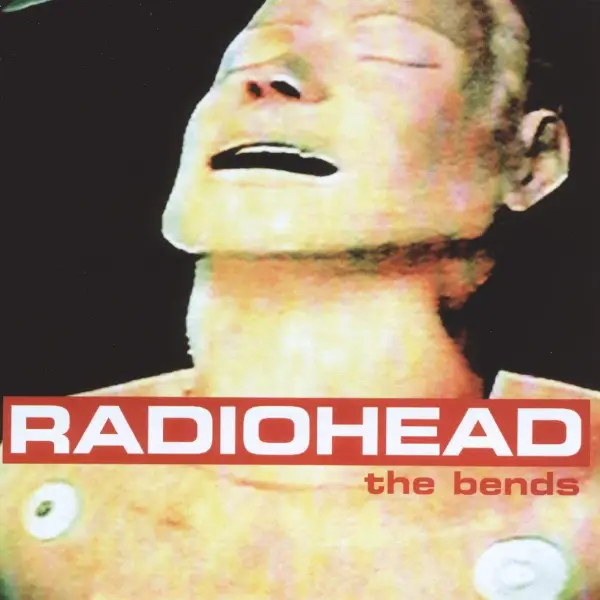


Best of…
The writing circles fear, status, and self-worth with precision. Lyrics land as fragments of thought rather than slogans. The vocals carry strain and control in equal measure. Guitars surge and recoil, shaping mood through texture and timing rather than excess detail.
What lingers is the album’s sense of human scale. The drama stays grounded in personal response. The Bends speaks through clenched teeth and open nerves. Its force comes from emotional immediacy and disciplined songwriting.
Choice Tracks
Planet Telex
A low pulse and drifting guitar lines establish a state of physical unease. The vocal delivery floats inside the rhythm rather than leading it. The track sets the album’s tone by framing anxiety as an internal condition shaped by sound and repetition.
The Bends
Sharp guitar figures and a steady tempo drive a portrait of social pressure. The lyrics frame success as bodily stress rather than reward. The song stands out for translating ambition into tension, carried by direct phrasing and restless energy.
High and Dry
Clean guitar tones and open space give the song emotional clarity. The vocal performance favors restraint over drama. Its cultural weight comes from presenting vulnerability without spectacle, letting quiet regret sit plainly in the center of the arrangement.
Fake Plastic Trees
Gradual dynamic growth supports lyrics focused on artificial comfort and emotional fatigue. The arrangement moves with patience and control. The track resonates through its careful buildup, allowing exhaustion and longing to surface through measured intensity.
Street Spirit (Fade Out)
A cyclical guitar pattern anchors a sense of inevitability. The rhythm maintains steady motion as the vocals circle despair and resolve. The song’s power lies in repetition, using structure to convey persistence and emotional endurance.
The Bends channels anxiety, ambition, and vulnerability through focused songwriting and disciplined dynamics. Radiohead crafts tension from melody and texture, creating a record that feels personal, immediate, and emotionally grounded.
The Bends is the moment Radiohead went from being a scrappy alt-rock band with a surprise hit to something far more ambitious and unpredictable. It’s a record that still clings to the bombast of mid-’90s guitar rock, but there’s an unease running through it, a sense that they’re already looking for a way out of the genre’s confines. The songs hit hard, but they also drift, shimmer, and collapse into moments of fragile beauty. It’s not a full reinvention—there’s still plenty of anthemic energy—but it’s clear they’re pulling at the edges of what’s expected.
The production is lush but never overblown, giving space for every texture to breathe. Guitars bend, warp, and bleed into the atmosphere. The rhythms shift between tight precision and dreamlike sway. There’s a tension in the way everything is assembled, as if the music is trying to break free from its own structure. And then there’s the voice at the center of it all, cutting through the mix like someone on the verge of revelation or collapse.
What makes The Bends endure is its emotional weight. The paranoia, the yearning, the exhaustion—these aren’t just themes, they seep into the music itself. There’s a rawness here that future Radiohead albums would smooth out or bury under abstraction, but here it’s front and center, naked and undeniable. It’s the last time they’d sound this direct, but it’s also the moment they became undeniable.
From the first shimmering chords of “Planet Telex,” you know The Bends isn’t here to make you comfortable. That cavernous reverb, the way Thom Yorke’s voice floats above the mix like he’s singing from inside a snow globe—it’s beautiful, sure, but it’s also disorienting, like waking up in a place you don’t remember falling asleep. Then there’s “The Bends” itself, a full-throttle, teeth-clenching explosion of everything that made early Radiohead great: guitars that snarl and soar in equal measure, Yorke yelping like he’s trying to break through a glass ceiling that keeps lowering itself.
“High and Dry” is the closest thing to a folk song in their catalog, deceptively simple on the surface, but the way Yorke stretches out those vowels—like he’s already regretting every word he’s saying—turns it into something heavier. And then “Fake Plastic Trees” arrives, the moment where Radiohead goes from a good alt-rock band to something else entirely. Just an acoustic guitar, a ghostly organ, and Yorke sounding like he’s crumbling under the weight of his own metaphors. It builds, it breaks, and by the time he lets out that final falsetto wail, you’re not sure if you just heard a love song or a eulogy.
But The Bends isn’t all sadness in slow motion. “Just” is a smirking, riff-happy slap in the face, with Jonny Greenwood’s guitar lines practically laughing at you as they dart in and out of the mix. And “Street Spirit (Fade Out)”? That’s the real closer, the slow, hypnotic descent into something too big and too dark to name. Every note feels inevitable, like it was carved into stone long before the band played a single chord. That’s the trick with The Bends—it makes sadness feel colossal, makes euphoria sound fragile, and leaves you staring at the sky, wondering what just hit you.