
Queens of the Stone Age
– Lullabies to Paralyze
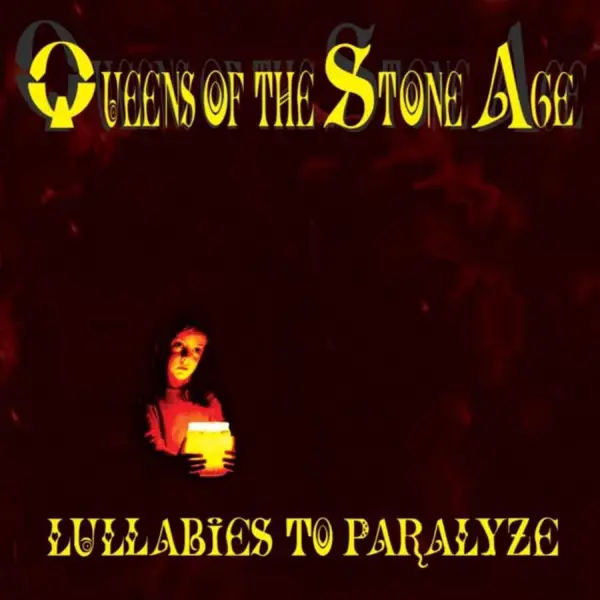
Lullabies to Paralyze operates inside hard rock with a coiled, nocturnal temperament. The guitars move in stalking patterns, riffs circling like thoughts that refuse to settle. Drums push from behind the beat, giving the songs a tense sway that feels half-asleep and fully alert. The structures favor repetition that tightens rather than explodes. Hooks surface in murmurs, then dig in. Queens of the Stone Age treat distortion as atmosphere and rhythm as hypnosis, shaping tracks that crawl under the skin and stay there. The record leans into shadow and dry humor, framing menace as a casual habit. Every groove feels deliberate, every pause slightly suspect. Lullabies to Paralyze presents hard rock as something sly and predatory, patient enough to wait for its moment.


Best of…
Josh Homme sings with a cool detachment that suggests control even while the ground shifts beneath him. His melodies drift over riffs that grind with steady intent. The band locks into grooves that feel elastic, stretching without snapping. Tension becomes the album’s currency.
The sequencing favors mood over flash. Songs unfold with a steady pulse, letting repetition build unease. Lullabies to Paralyze keeps its claws sheathed until the last second, then leaves a mark.
Choice Tracks
Medication
“Medication” bursts in with a brisk, clipped riff that shakes off any drowsiness. The tempo snaps tight, drums popping with lean precision. The hook lands fast and leaves quickly, a jolt of sharp-edged rock that clears the air.
Burn the Witch
A wiry groove drives “Burn the Witch,” its riff spiraling with a sly bounce. The chorus rides a taunting chant that feels public and confrontational. The song turns accusation into spectacle, daring the crowd to join in.
In My Head
“In My Head” leans on a steady, rolling riff that hums beneath a catchy vocal line. The rhythm section keeps the pulse locked, giving the chorus a stubborn grip. It frames obsession as routine, catchy and quietly unsettling.
Little Sister
A tight, percussive riff and clacking accents give “Little Sister” its strut. The groove stays lean and focused, each instrument carving space. The chorus snaps into place with sharp clarity, built for immediate recognition.
Someone’s in the Wolf
This track stretches out on a creeping pattern that coils and tightens. The atmosphere thickens through layered guitars and patient pacing. Suspicion becomes texture, and the payoff lands with a heavy, deliberate strike.
Lullabies to Paralyze presents hard rock as patient and predatory, built on elastic grooves and dry menace. Queens of the Stone Age favor mood and repetition, letting tension accumulate until it bites with quiet precision.