
Paradise Lost
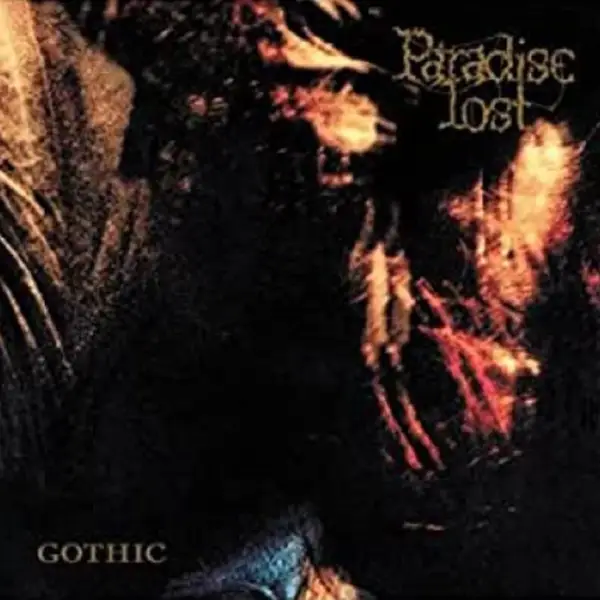
– Gothic
Gothic stands firm as a work of endurance that trusts gravity to speak for itself.
Paradise Lost arrive here with intent carved into every bar. Gothic moves at a deliberate pace that values weight and mood over momentum. The album speaks in slow phrases and heavy syllables. Each song plants its feet and refuses distraction. The sound feels patient, severe, and committed.


Best of…
Vocals sit low and commanding, carrying grief as a fixed state rather than a dramatic gesture. Guitars favor sustained pressure over flourish. Drums act as anchors. The atmosphere remains dense and unbroken. The record communicates endurance as an ethic and sorrow as a shared condition.
Gothic holds its shape from start to finish. The sequencing favors immersion and continuity. The emotional register stays focused and unwavering. Paradise Lost sound convinced by every decision here, and that conviction becomes the album’s defining force.
A foundational statement built on resolve, restraint, and lasting emotional gravity.
Choice Tracks
Gothic
This track establishes the album’s emotional temperature through slow-motion riffs, choral accents, and vocals delivered with unwavering authority. The song presents grief as communal and solemn, setting a template for heaviness rooted in atmosphere and emotional discipline.
Dead Emotion
A dragging rhythm and mournful guitar lines frame a vocal performance steeped in resignation. The song captures emotional exhaustion as a stable state, offering a stark portrait of inner collapse expressed through controlled pacing and sustained sonic pressure.
Shattered
This closer leans into repetition and density to create a feeling of total emotional saturation. The arrangement emphasizes endurance over release, leaving the listener suspended inside the album’s mood long after the final notes settle.
Gothic delivers a unified vision built on slow tempos, oppressive weight, and emotional resolve. Paradise Lost commit fully to atmosphere and discipline, shaping an album that communicates sorrow as permanence and heaviness as shared experience.
Paradise Lost – Gothic lands in a very specific and influential corner of heavy music. Its main rock/metal genres are:
- Gothic Metal – The genre blueprint. Dark romanticism, sorrow-heavy melodies, and a dramatic emotional tone fused directly into heavy riffing.
- Death-Doom – Slow, crushing tempos paired with deep growls and a sense of physical weight that dominates the album’s core.
- Doom Metal – Oppressive pacing, bleak atmosphere, and riffs built for endurance rather than speed.
- Extreme Metal (early ’90s hybrid) – Harsh vocals and raw production rooted in underground metal rather than polish.
Gothic stands as a foundational work where doom’s gravity, death metal’s brutality, and gothic mood coalesce into a single, coherent identity rather than a stylistic experiment.