
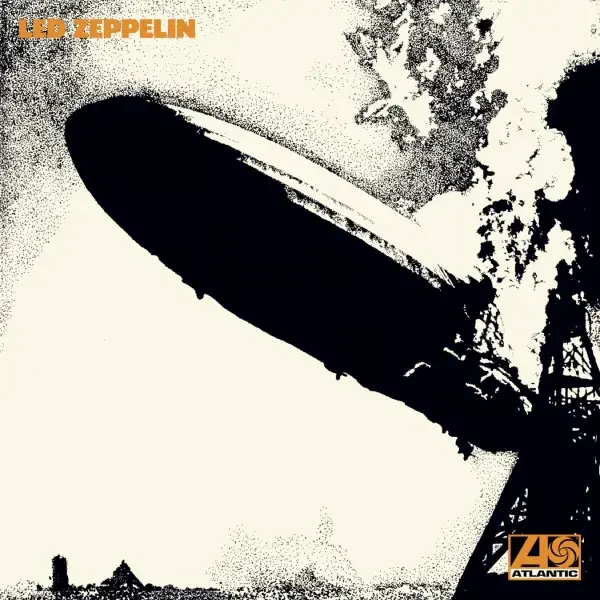
Led Zeppelin
– Led Zeppelin
A defining spark that captures rock power at full ignition.
The debut lands with a sense of force that feels immediate and unfiltered. Every instrument hits with an urgency that exposes how alive a stripped-down rock band can sound when each player digs in. The record moves with the confidence of a group stepping into their identity with no hesitation.


Best of…
The guitar tone carves its own space and insists on attention. The rhythm section feeds a steady pulse that keeps each song locked into a physical groove. The vocals push straight through the mix and give the music its edge. The production favors grit over polish and leaves space for the performances to breathe.
Several tracks stretch out with long instrumental passages that show the band’s comfort with tension and release. The album’s pacing feels deliberate, shifting easily between hard-driving riff work and patient, slower pieces. The whole effort forms a statement of power built on feel, attack, and momentum.
A fierce, formative blast that establishes a sound built on weight, nerve, and presence.
Choice Tracks
Good Times Bad Times
The opener hits with sharp riffs, tight drums, and a vocal punch that sets the tone for the record’s energy. The groove feels lean and direct, cutting straight through with a confident stomp. Every part snaps into place and signals the band’s intent. A compact blast of youthful bravado, built on Bonham’s impossible triplets and a riff that never loosens its grip. Plant’s vocals swing between grit and gleam, giving the opener its punch.
Babe I’m Gonna Leave You
The song moves between hushed acoustic lines and heavy surges that amplify the emotional tension running through it. The vocal phrasing adds strain and fire, while the arrangement grows with a sense of pressure that never fully eases. Acoustic shadows and electric outbursts collide in a dynamic storm. The tension between quiet spaces and explosive peaks turns heartbreak into spectacle.
You Shook Me
A slow, grinding descent into blues excess. Jones’s organ and Page’s guitar twist around each other, while Plant delivers each line like a challenge. A swaggering crawl.
Dazed and Confused
A slow, shadowy bass line steadies the track as guitar lines twist around it. The atmosphere thickens with each shift in intensity. Extended instrumental breaks stretch the mood until the final burst snaps the tension with raw force. Dark, stretched-out, and hypnotic. Page’s bowed guitar scrapes open the atmosphere, while Bonham and Jones build a bottom end that threatens to cave in the floor. A defining early epic.
Your Time Is Gonna Come
Organ and guitar shape a warm, open sound that gives the track its lift. The melody carries a mix of resignation and resolve, and the steady rhythm keeps the song grounded. Each section stacks cleanly and builds to a subtle but confident finish. A church-organ swell opens into a mid-tempo burn built on weary resentment. Jones anchors the melody with a calm that cuts through the album’s heavier storms.
Black Mountain Side
A haunted instrumental with Eastern-inflected phrasing. Page creates a drifting, dreamlike interlude that reshapes the album’s momentum.
Communication Breakdown
Fast, clipped guitar work fires the track forward. The vocal urgency injects a sense of pressure, giving the tune its bite. The pace barely leaves room to breathe, pushing everything into a tight sprint that lands hard and clean. Fast, feral, and relentless. The proto–punk rush catches the band at their most volatile, with Plant riding above the noise like a siren.
I Can’t Quit You Baby
A spacious blues showcase. The band leaves plenty of room for Plant’s high-wire vocal and Page’s twisting, sometimes fraying guitar lines.
How Many More Times
A sprawling, shape-shifting closer powered by a swaggering bassline. The band shifts moods with reckless abandon, ending the album with a full-force exclamation point.
The debut storms in with raw confidence, sharp riff work, and vocals charged with grit. Each track delivers its own punch, shifting from heavy thrusts to tense slow burns while keeping a unified drive. The album forms a tight, forceful blueprint for the band’s sound.
The debut album by Led Zeppelin is an essential addition to any list of Best Rock Albums. It revolutionized rock by fusing blues, hard rock, and psychedelia with unparalleled intensity and musicianship. Tracks like “Good Times Bad Times” and “Dazed and Confused” highlight Jimmy Page’s innovative guitar work, Robert Plant’s powerful vocals, John Bonham’s thunderous drumming, with John Paul Jones’ dynamic bass lines. The album’s raw energy and groundbreaking sound laid the foundation for hard rock and heavy metal, influencing countless bands and defining the future of rock music.
What stands out, even decades later, is the interplay—an instinctive push-and-pull between four musicians who seem to be speaking the same secret language. Page finds menace in open space, Plant pushes his voice like a weapon, Jones glues the chaos together with sly sophistication, and Bonham… well, Bonham hits like he’s trying to wake the earth. It’s not subtle, but it’s not blunt either. The band builds tension through precision, then detonates it in flashes of raw volume.
The blues foundations are unmistakable, but this isn’t mimicry; it’s transformation. They stretch tradition until it distorts into something heavier, stranger, and unmistakably theirs. You can hear the lineage, but the album feels like a new branch—one that later generations would raid endlessly. And for all its swagger, the record carries an experimental streak, from the room-shaking stomp of its openers to the eerie melancholy of its final track. Led Zeppelin isn’t just a debut—it’s a thesis on where rock could go when blasted through sheer force of will.