
Guns N’ Roses
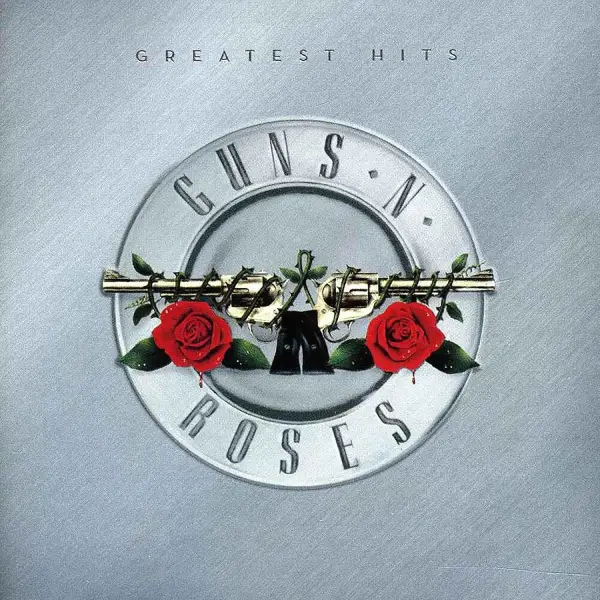
– Greatest Hits.
The guitars cut in sharp, muscular riffs that carry both melody and bite. The rhythm section locks into grooves that feel confident and unhurried. Axl Rose’s voice slices through with a nasal snarl that can pivot into a wide, ringing wail. The structures favor big choruses, extended solos, and clean dynamic shifts that give each song room to flex. Guns N’ Roses approach hard rock as spectacle grounded in craft, and this compilation frames that approach in its most direct form. The attitude is bold and unapologetic, driven by appetite and defiance.


Best of…
Sequenced as a run of statements, the album highlights how tightly the band controlled tension and release. Riffs land with authority. Choruses invite full-throated participation. Solos stretch out with deliberate flair. The pacing keeps momentum steady across shifting moods.
There’s a sense of command in these performances. The band sounds locked in and self-assured. Greatest Hits works because the songs still hit with physical force and melodic clarity.
Choice Tracks
Welcome to the Jungle
“Welcome to the Jungle” erupts with a churning riff and a vocal that prowls before striking. The groove builds pressure through tight stops and surges, and the chorus explodes into a chant that captures urban hunger in raw, theatrical form.
Sweet Child O’ Mine
A ringing guitar figure anchors “Sweet Child O’ Mine,” its melody unfolding with patient confidence. The rhythm section keeps the pulse steady while the vocal opens wide in the chorus, turning intimacy into a mass sing-along.
Paradise City
“Paradise City” rides a brisk tempo and a bright, chiming riff that feels built for open air. The extended outro drives forward with mounting intensity, its refrain landing as a communal shout of escape and desire.
November Rain
Piano leads the way in “November Rain,” setting a grand, measured tone. Strings swell behind a vocal delivered with earnest weight. The song stretches across shifting sections, each one adding emotional heft without losing focus.
You Could Be Mine
“You Could Be Mine” snaps with a tight, punchy riff and relentless drumming. The vocal spits clipped lines with sharp edge, and the hook lands fast and hard, channeling confrontation into pure momentum.
Greatest hits collections are usually a mixed bag—watered-down playlists for casual listeners or quick cash grabs for record labels. But Guns N’ Roses Greatest Hits works because the band’s catalog is all killer, no filler. It distills the chaos, attitude, and sheer bombast of their golden era into one relentless ride. From sleazy street-level rock to grandiose epics, it captures a band that burned too brightly to last but left behind a soundtrack for every whiskey-fueled night and morning-after regret.
The sequencing does a decent job of balancing the raw, snarling aggression with the cinematic grandeur that made them more than just another group of leather-clad troublemakers. The production is pristine but still lets the grit shine through. The riffs are iconic, the hooks undeniable, and the attitude never feels forced. Even the covers, often throwaways in greatest-hits sets, feel like essential pieces of the puzzle rather than contractual obligations.
For purists, nothing replaces the original albums, where these songs had room to breathe in all their reckless, decadent glory. But as a one-stop shop, Greatest Hits does its job—an all-access pass to the moments that made Guns N’ Roses both legendary and unpredictable. It’s the sound of a band at their peak, before excess, infighting, and the slow march of time turned them into something else entirely.
It kicks off with “Welcome to the Jungle,” a song that still sounds like it just kicked open a bar door and is looking for a fight. Slash’s opening riff? Pure menace. Axl Rose? A snake in a leather jacket, hissing and shrieking through the neon sleaze of late-’80s Los Angeles. And then “Sweet Child o’ Mine” flips the script—melodic, sentimental (by GNR standards), and built around one of the most recognizable guitar intros in rock history. What should be a power ballad turns into something stranger, dreamier, thanks to that wandering bridge and Axl’s almost unhinged climax.
“Paradise City” is everything ridiculous and glorious about this band in six minutes—arena-sized riffs, a sing-along chorus, and a finale that goes full-throttle into chaos. Then there’s “Patience,” where they drop the volume but keep the attitude. Axl whistles, Izzy Stradlin strums, and somehow it all feels like a barroom confession at closing time. “Civil War” is the unexpected heavy hitter, shifting from delicate acoustics to full-scale battlefield bombardment, with Axl going from eerie calm to unfiltered rage. And “You Could Be Mine”? A runaway train of a song, packed with drum fills that sound like cannon fire and a sneering, snarling vocal take that makes every word hit like a threat.
Of course, there’s “November Rain”—a song so over-the-top it circles back to genius. Nine minutes, three guitar solos, and Axl on a grand piano like he’s composing his own myth. It shouldn’t work, but it does, because Guns N’ Roses never asked for permission. Even the deep cuts (“Don’t Cry,” “Since I Don’t Have You”) remind you that under all the bravado, there was always a broken heart somewhere in the mix. Greatest Hits isn’t just a reminder of why this band ruled the late ’80s and early ’90s—it’s a reminder that when they were at their peak, nobody else even came close.