
David Bowie
– Reality
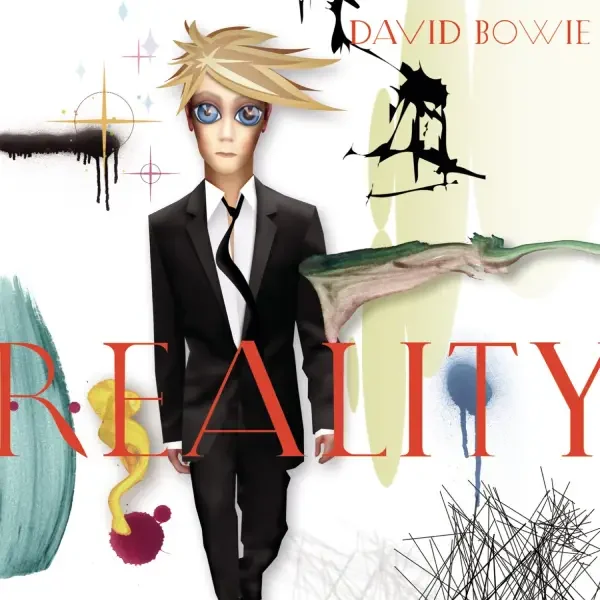
This is Bowie with his sleeves rolled up, smudges on the mirror, and no interest in smoothing the cracks. Reality carries the unease of an artist staring at time’s relentless shuffle and refusing to bow. Instead, he wrestles with it, pushing songs into jagged corners where clarity gets tangled with distortion. There’s no airbrushed mask here—just a restless intelligence throwing its weight around.


Best of…
The guitars bite harder than expected, dragging each track into a space that’s both ragged and calculated. Rhythms snap with a kind of streetwise confidence, a reminder that Bowie could always turn cold observation into something kinetic. Vocals swing between sly detachment and sudden vulnerability, giving the record a mood that refuses to settle. He doesn’t sound lost—he sounds engaged in a duel with his own shadows.
What makes Reality stick is the way it dodges nostalgia. Instead of rehashing old tricks, Bowie cuts new scars into the sound, treating age as fuel rather than restraint. The songs feel lived in, battered even, but that roughness is exactly the point. He isn’t looking backward—he’s staring straight at the present, daring it to flinch.
Choice Tracks
New Killer Star
A shimmering opener that masks menace with melody. It glides along with brightness, but underneath, there’s a sense of unease that never quite loosens its grip.
Reality
The title track snarls with jagged riffs and a restless pulse. Bowie spits lines like graffiti on brick walls, sharp and unpolished, alive with urgency.
The Loneliest Guy
Slow, fragile, and nearly motionless. Bowie’s voice sits on the edge of breaking, making silence feel louder than any instrument.
Reality is Bowie unmasked, leaning into grit and urgency rather than polish. The record refuses nostalgia, instead carving out raw, immediate songs that feel lived-in and unafraid of time’s bite.