
Cream
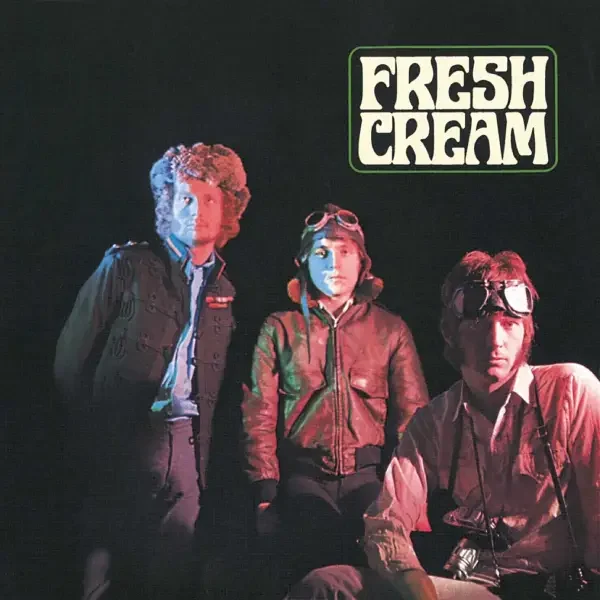
– Fresh Cream
From the first strike of Ginger Baker’s drums to the last distorted sigh of Clapton’s guitar, the record radiates the manic glee of three musicians realizing they can outplay, outshout, and outbend anyone within earshot. There’s no subtlety, no polite pauses. Every riff snarls like it’s been waiting years to escape a basement amplifier.


Best of…
What makes Fresh Cream hit isn’t virtuosity—it’s the unfiltered nerve behind it. Jack Bruce’s bass lines stomp like a second drum kit, thick and menacing, while Clapton’s guitar spits heat instead of notes. Baker turns rhythm into a weapon, smashing through meter like it owes him money. Yet, amid the chaos, there’s discipline—each song feels sculpted from noise, guided by instinct sharper than theory.
The album carries the grime of small clubs and the arrogance of men who already know they’ve rewritten the rulebook. Blues, rock, and raw ego collide until sparks become a sound. Every performance feels dangerous, like one more solo might make the room explode. Fresh Cream starts the fire that everyone else would later try to control.
Choice Tracks
I Feel Free (US Version)
Freedom as a drumbeat and a chant. Harmonies shimmer above a rhythm that barely holds still, as if the song’s ready to break loose from its own skin.
N.S.U.
A relentless punch of rhythm and fuzz. Baker’s drumming swings like an unchained pendulum, propelling Bruce and Clapton into glorious collision.
Sleepy Time Time
Laid-back in theory, volcanic in execution. Bruce’s voice rides slow blues phrasing while Clapton’s guitar curls smoke around every line.
Sweet Wine
A manic closer that sounds like celebration and exhaustion at once. Each player races for the edge, refusing to let anyone cross first.
Fresh Cream captures the birth of power-trio chaos—loud, lean, and fearless. Every note feels improvised under pressure, fueled by ego and joy, transforming raw blues into a sonic fist that defined heavy rock’s first roar.
With John Timperley serving as engineer and Robert Stigwood as producer, Cream joined Rayrik Studios at Chalk Farm, London, almost immediately after their formation in July 1966 to start working on their debut single and album. Clapton subsequently remarked that the budget was quite small, using four track machines and just repeating each song several times until they had a good take with little to no overdubbing.