
Motörhead
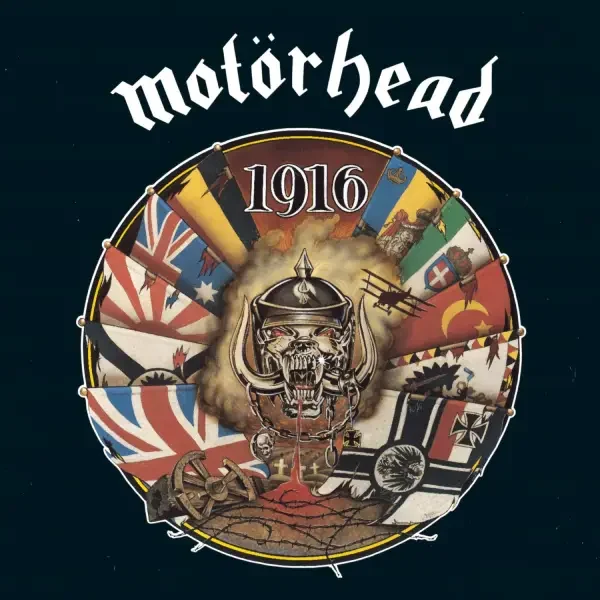
– 1916
A loud, bruised, and unexpectedly human milestone in Motörhead’s catalog.
1916 hits with blunt force yet carries a surprising amount of emotional shading. Lemmy drives the record with a voice that treats grit as a birthright, throwing each line like a punch meant to land square. The band keeps everything tight, loud, and immediate, letting momentum speak louder than flash.


Best of…
The pacing shifts without breaking the album’s core attitude. Fast tracks rip forward with clenched-jaw energy, fed by drums that feel welded to the bass lines. The slower pieces carry a different weight, shaped by reflection instead of swagger. Lemmy leans into these moments with rough-edged sincerity, adding depth without softening the blow.
The record honors volume and nerve, yet the quieter title track shows the band’s willingness to sit with heavy themes instead of charging past them. The balance gives 1916 its staying power. The album feels lived-in, hard-earned, and stubbornly heartfelt.
Choice Tracks
The One to Sing the Blues
The riff snaps into place with a punchy rhythm section that drives everything forward. Lemmy’s vocal attack adds heat, shaping the song into a blast of sharpened attitude. Each break tightens the grip, turning the track into a statement of raw force.
I’m So Bad (Baby I Don’t Care)
The bass locks into a gritty pulse that fuels the swagger in every line. Lemmy fires off the lyrics with a crooked grin that cuts through the mix. The band keeps the groove lean, giving the track a rowdy edge that feels immediate and unfiltered.
No Voices in the Sky
A steady rush of guitars sets the tone while the drums slam through each section with blunt purpose. Lemmy delivers the lyrics with pointed clarity, giving the track a sense of urgency. The mix of drive and narrative bite makes the song hit hard.
Angel City
The rhythm section barrels ahead with unrestrained energy, pushing the guitars into a loud, buzzing charge. Lemmy’s vocal delivery brings a crooked humor that brightens the chaos. The whole track feels like a bar fight wrapped in a grin.
1916
The somber march and stripped-down arrangement frame Lemmy’s voice with stark honesty. The story unfolds with measured pacing, leaving space for each image to settle. The track’s restraint gives it an emotional heaviness that deepens the album’s reach.
1916 blends Motörhead’s trademark ferocity with a sharper emotional edge. Lemmy leads with grit and candor, backed by a band firing on instinct and muscle. The mix of speed, tension, and dark reflection gives the record its lasting punch.
The album showcases the Motörhead’s willingness to experiment while staying rooted in their iconic hard-rocking sound. It captures a transitional moment where the band blended their signature speed and aggression with surprising moments of melodic introspection and narrative depth. The album explores a range of moods, from relentless, driving riffs to emotionally charged balladry. Its diversity set it apart from many contemporaries in the heavy metal and hard rock scene, proving that Motörhead could expand their creative horizons without losing their raw edge.