
Iron Maiden
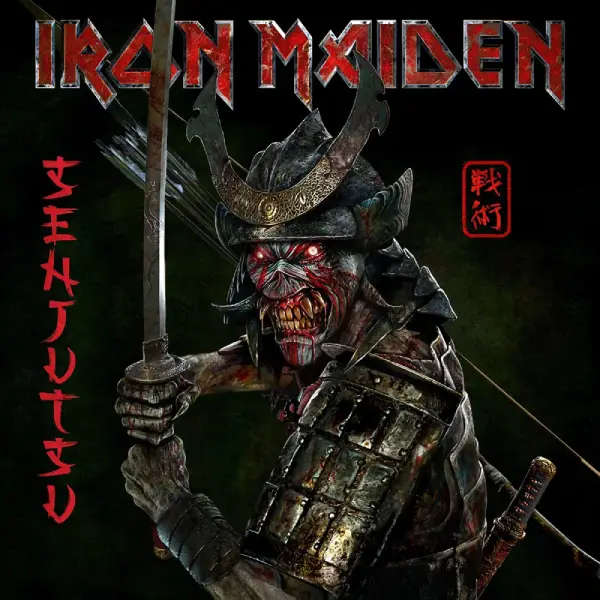
– Senjutsu
Senjutsu is a testament to Iron Maiden’s enduring ability to craft epic, ambitious metal that resonates with both longtime fans and new listeners. Clocking in at over 80 minutes, the album embraces Iron Maiden’s signature storytelling style, featuring richly layered compositions and lyrical explorations of history, mythology, and existential themes.


Best of…
Musically, Senjutsu is marked by its intricate arrangements, dynamic shifts, and atmospheric depth, showcasing the band’s mastery of progressive metal. It balances thundering riffs and soaring melodies with reflective and brooding passages, creating a cinematic experience. The production emphasizes a sense of grandeur, allowing each element—from galloping basslines to evocative guitar harmonies and Bruce Dickinson’s powerful vocals—to shine.
As a late-career release, Senjutsu solidifies Iron Maiden’s place as a band still willing to innovate within their well-established sound. It stands as a bold and cohesive statement, offering both familiarity and a fresh sense of ambition, making it a significant addition to their storied discography.
Choice Tracks
Senjutsu
The opener lumbers forward with ritualistic force, percussion pounding like war drums. The riffs circle and crash, creating an atmosphere that feels ceremonial, as if the band is summoning something massive before the first lyric is even delivered.
The Writing on the Wall
A narrative-driven march that blends grit with melody, this track feels prophetic. The guitar lines slither before bursting into widescreen choruses, while the vocals push the warning forward with unshakable conviction. It’s ominous yet strangely anthemic.
Hell on Earth
Closing the album at epic length, this song climbs patiently from delicate openings to a storm of riffs and soaring cries. The finale feels less like a conclusion and more like an exorcism—one last overwhelming surge before the silence hits.
Senjutsu is Iron Maiden at their most colossal—songs as fortresses, vocals as proclamations, and riffs as ancient weapons. It’s an album built on weight and scale, demanding immersion and rewarding it with sheer spectacle.
This album drags its armor into the arena, and dares you to endure its size. Every song feels like it was built on stone foundations, towering structures of riffs and drums that stretch into the horizon. The band sounds less like they’re chasing urgency and more like they’re declaring permanence, carving monuments out of their own myth.
The vocals arrive with a storyteller’s authority, equal parts preacher and battle-scarred narrator. There’s no sense of detachment here—each word feels like it’s shouted across centuries, riding on top of guitars that never stop weaving into one another. You get the impression of an album that knows exactly how heavy it is, and leans into that weight as a defining trait.
What makes this record stand out is its commitment to scale. The long songs don’t sprawl for the sake of indulgence—they stretch because they have to, because the tales being told refuse to fit inside smaller boxes. The momentum can be hypnotic, the climaxes thunderous, and the quiet moments unexpectedly chilling. It’s not a casual listen, and it never tries to be.