Blink-182 – One More Time…
One More Time… is Blink-182’s full-circle moment, blending pop-punk urgency with emotional depth. After years of turmoil, they rediscover their pulse, mixing humor, sadness, and growth without chasing their past glories.
Disclosure: As an Amazon Associate we earn from qualifying purchases.

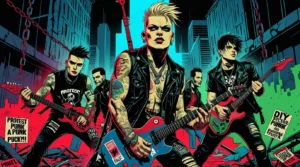 Punk rock, a rebellious and DIY-driven movement that burst onto the scene in the mid-1970s, was a sonic revolution against the excesses of mainstream rock. Bands like the Ramones, Sex Pistols, and The Clash spearheaded this raw and energetic genre characterized by short, fast-paced songs, simple chord structures, and lyrics often tackling social and political discontent.
Punk rock was not just a musical style; it was a subversive attitude, rejecting the perceived elitism of the music industry. Fueled by a DIY ethos, punk encouraged a generation to pick up instruments and express their frustrations. Its impact reverberated far beyond music, influencing fashion, visual arts, and a broader DIY subculture. Punk rock’s ethos of rebellion, authenticity, and self-expression continues to resonate, making it a pivotal and enduring force in the history of rock music.
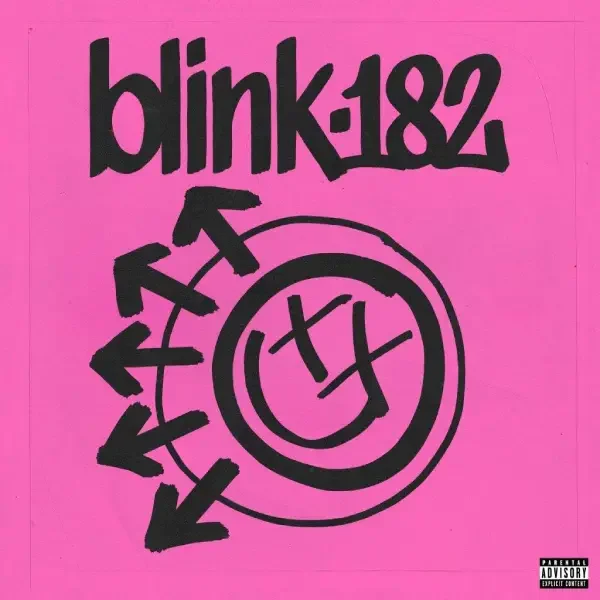
One More Time… is Blink-182’s full-circle moment, blending pop-punk urgency with emotional depth. After years of turmoil, they rediscover their pulse, mixing humor, sadness, and growth without chasing their past glories.
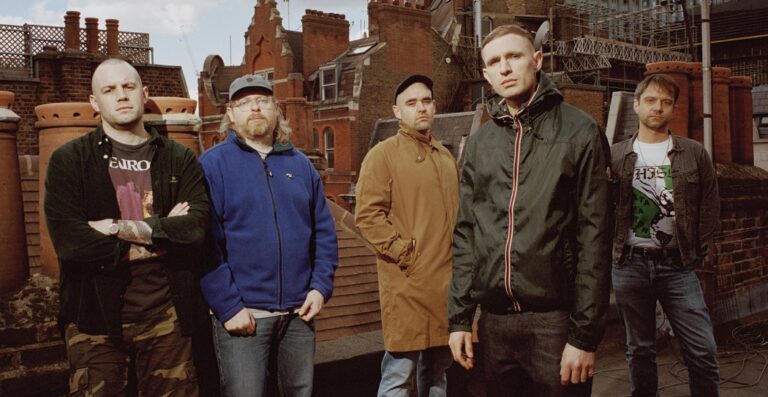
Graham Sayle, a longtime U.K. hardcore Punk devotee, fronts High Vis. He and his bandmates faced difficult childhoods, dead-end jobs and saw friends and family members perish in a toxic environment. To Sayle Punk was “a vehicle for being pissed off.” Formed in ’16, Hi Vis released their debut album, “No Sense No Feeling” three…

Glow On is a bright, brutal burst of hardcore joy—chaotic, beautiful, and oddly tender. Turnstile doesn’t just bend genre lines; they run through them barefoot, screaming, with a heart full of melody and fists full of truth.
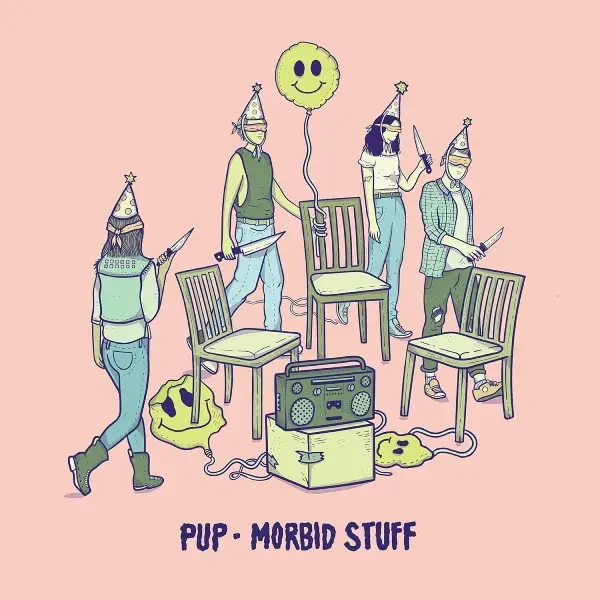
Raw, loud, and brutally honest, this is chaos with heart—like depression set to power chords and shouted joy. No polish, just pain, humor, and hope tangled in riffs and rants. It’s a mess—but the kind that feels like survival.
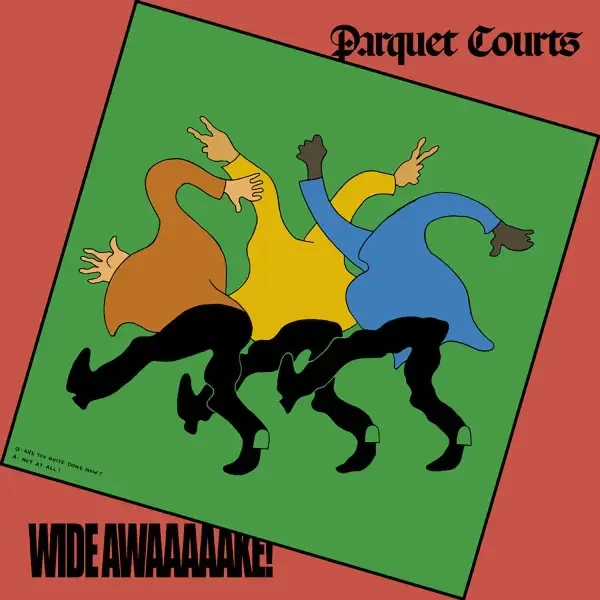
Wide Awake! is a protest record disguised as a house party. It’s twitchy, lean, and pissed off with style. Parquet Courts don’t offer solutions. They throw noise, dance breaks, and sharp one-liners instead. And somehow, in all that noise, they find clarity.
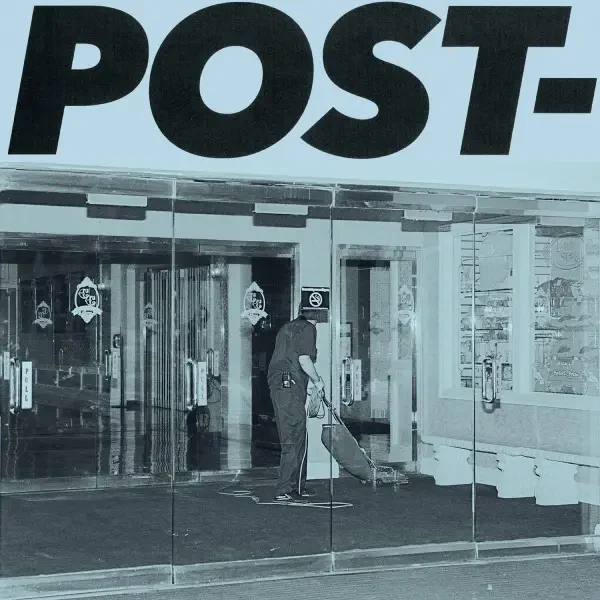
Post- channels chaos into solidarity, balancing exhaustion with noisy grace. Jeff Rosenstock transforms burnout into movement, using distortion and heart to document the uneasy hope of a restless generation. Every shout feels like a shared breath of survival.
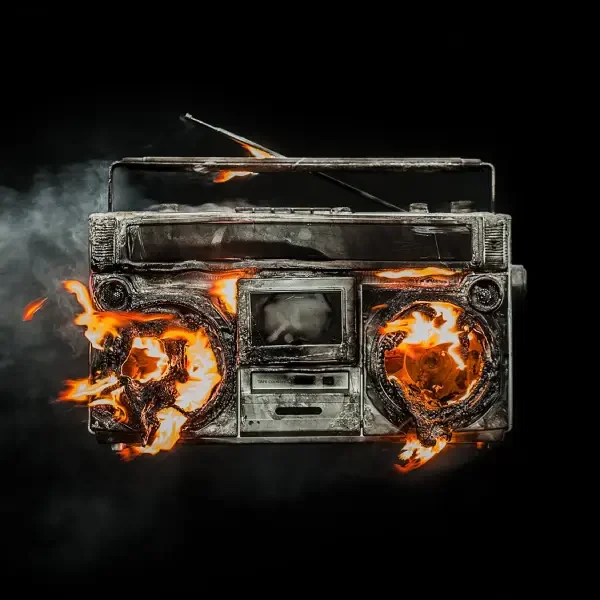
Revolution Radio hits with raw urgency, built on jagged riffs and shouted confessions. Armstrong delivers each line with combustible energy, and the band powers through with garage-born intensity. It’s scrappy, unfiltered, and wired to burn itself into memory.
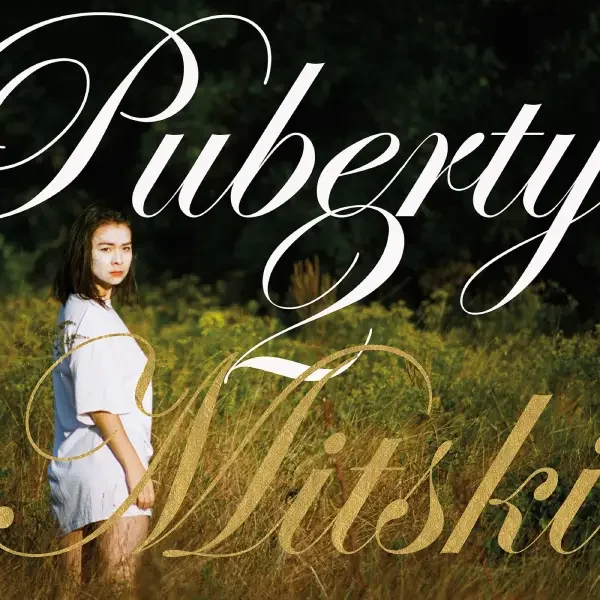
The magic in Puberty 2 lies in how contradictions coexist. There’s fuzzed-out distortion slamming up against dainty melodies. Violence and sweetness collide in lines that land like punches wrapped in lace. Mitski’s voice can sound detached one second, then bloodletting the next.
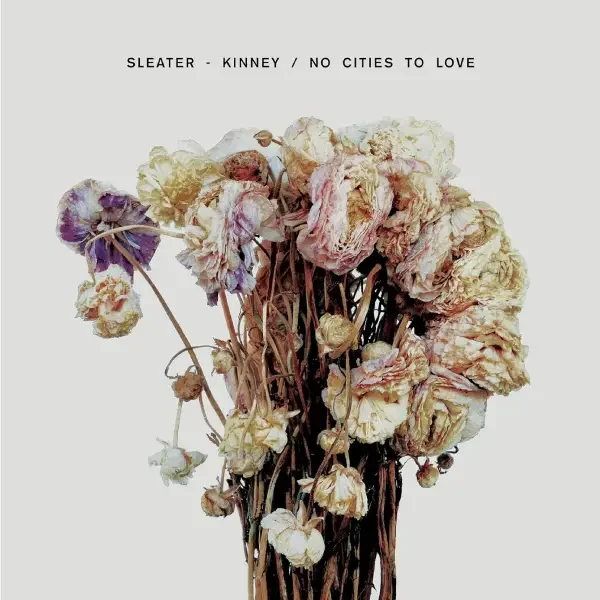
No Cities to Love fires off ten tracks built on sharp edges and sustained urgency. The band drives each moment with disciplined force, creating rock marked by tension, clarity, and focused heat. The record stands as a tightly wound surge that never loses its spark.
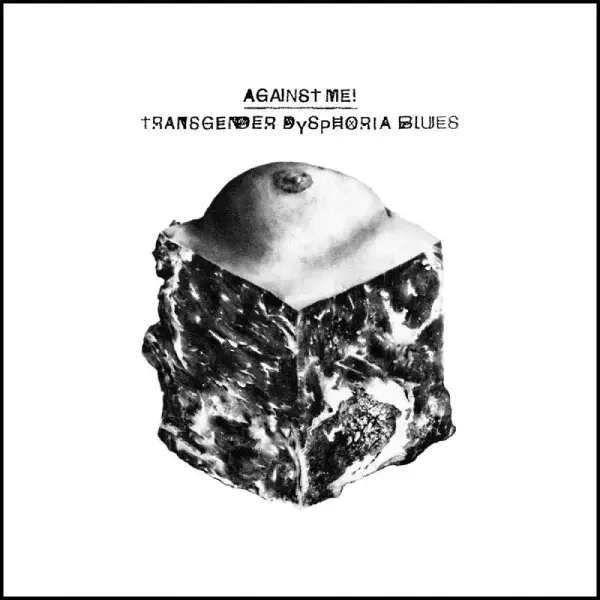
The album surges with sharp riffs, urgent vocals, and writing that treats honesty as a survival act. Its focus, speed, and emotional force create a vivid, volatile landscape where identity and pressure collide, giving the record a gripping and fearless core.