Post-Punk

Post-Punk, a genre that emerged in the late 1970s and thrived throughout the ’80s, represented a radical departure from the straightforward structures of punk rock. Bands like Joy Division, Gang of Four, and Siouxsie and the Banshees, key architects of the movement, introduced a more experimental, art-driven approach to music. Post-punk incorporated elements of punk’s DIY ethos but explored darker, more atmospheric sounds, often characterized by jagged guitar riffs, driving basslines, and existential lyrics. The genre’s sonic innovations and willingness to challenge conventional musical boundaries laid the groundwork for a diverse array of subsequent movements, including new wave, gothic rock, and alternative rock, cementing post-punk’s enduring influence on the broader landscape of rock music.

  • U2 – October

    October captures U2 in motion—raw, urgent, and reaching beyond their grasp. It’s an album defined by restlessness and faith colliding in real time, giving its jagged edges a strange and lasting vitality. You can hear the ambition straining against the edges of the songs.
  • | |

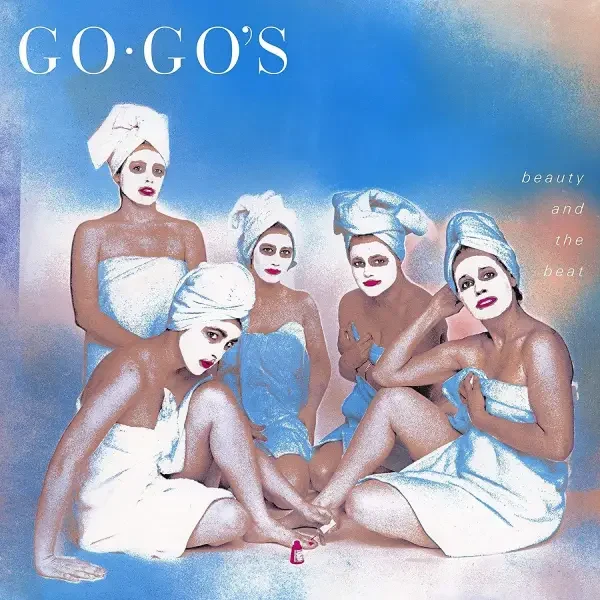
    The Go-Go’s – Beauty and the Beat

    What really gives Beauty and the Beat its staying power is how much it feels like a snapshot of real people having the time of their lives, even when the songs hint at emotional wreckage beneath the surface. It’s DIY punk polish painted in glossy pink graffiti.

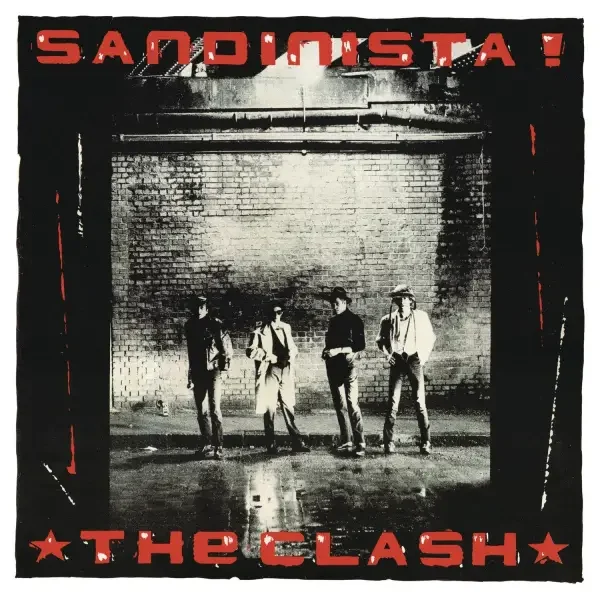
  • The Clash – Sandinista!

    Sandinista! explodes with ambition, capturing rebellion as creative motion. Its scale invites both fatigue and awe, yet its courage defines it. The album endures as a restless experiment, the sound of freedom pressed onto tape and left to spark.

  • |

    Bauhaus – In the Flat Field

    In the Flat Field transforms raw nerves into architecture. Bauhaus crafts an atmosphere of elegant decay, turning anxiety into rhythm and detachment into fire. It’s less an album than a séance that refuses to end once the record stops spinning.

  • |

    U2 – Boy

    Boy is raw, restless, and desperate to be heard. Its urgency, uncertainty, and sheer youthful drive give it a pulse that still feels electric decades later. It’s a record less about answers than about the thrill—and terror—of the search itself.

  • | | | |

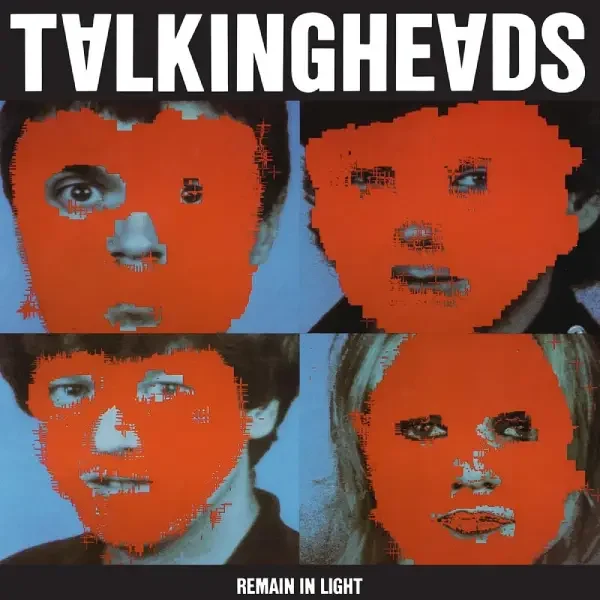
    Talking Heads – Remain in Light

    Talking Heads – Remain in Light This record doesn’t play by familiar rules. It pulses, it writhes, it churns like a machine given flesh. The grooves feel endless, but instead of circling the drain they spiral upward, gaining force with every repetition. Voices cut in and out like transmissions from another frequency, sometimes frantic, sometimes…

  • |

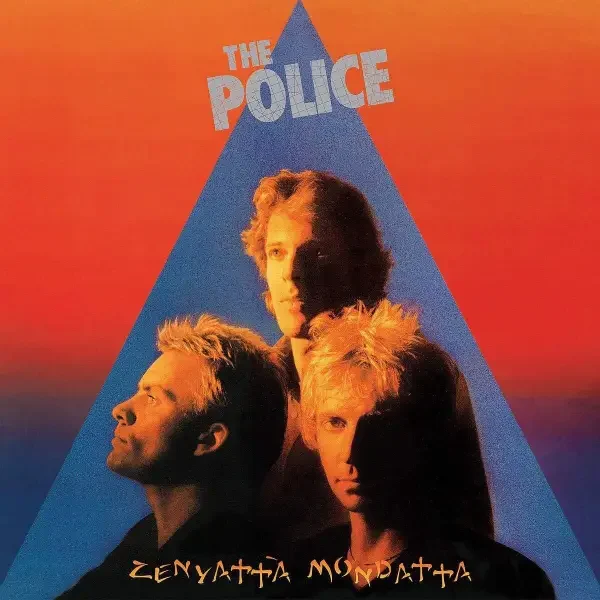
    The Police – Zenyatta Mondatta

    Zenyatta Mondatta is lean, restless, and sly, fusing pop hooks with sharp edges. The Police refine their sound without sanding it down, crafting hits that charm while still leaving teeth marks. Even when the melodies charm, there’s always something lurking beneath.

  • | |

    David Bowie – Scary Monsters (And Super Creeps)

    David Bowie – Scary Monsters (And Super Creeps) There’s a peculiar kind of violence to this record—stylish, self-aware, and loaded with jagged edges sharpened over a long descent. Scary Monsters (And Super Creeps) isn’t Bowie rebuilding or rebranding. It’s Bowie snarling from inside the machine he built, peeling the wires apart and howling through the…

  • | |

    Gang of Four – Entertainment!

    Entertainment! turns funk and punk into a weapon, slicing through complacency with jagged riffs and lyrics like acid on the tongue. Gang of Four built an album that dances as hard as it detonates, a groove-heavy critique that still sounds sharp enough to draw blood.

  • | |

    Talking Heads – Fear of Music

    Fear of Music is a paranoid, funky, nervy gem. Talking Heads break the new wave sound down into nervous tics and hypnotic grooves, creating something as disorienting as it is addictive. Danceable apocalypse never sounded so good.