Alice Cooper – School’s Out
Cooper and his band ride that thin line between chaos and craft, throwing together Broadway kitsch, garage rock grime, and teenage desperation with the glee of kids setting off fireworks in the principal’s office.
Disclosure: As an Amazon Associate we earn from qualifying purchases.

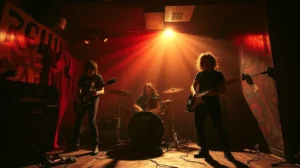 Garage rock, sometimes called garage punk or ’60s punk, is a raw and energetic style of rock music that emerged in the mid-1960s, primarily in the U.S. and Canada, and has since seen multiple revivals. Characterized by basic chord structures, fuzz-drenched guitars, and often aggressive, unpolished vocals, its name stems from the idea that young, amateur bands practiced in garages, though many were professional. Inspired by surf rock and the British Invasion, countless grassroots bands formed between 1963 and 1968, producing regional hits that occasionally broke nationally.
As psychedelia and more sophisticated rock styles gained prominence post-1968, garage rock faded from mainstream charts. Initially unnamed, it was later retroactively defined in the early 1970s, with critics referring to it as “punk rock” before that term was associated with the later punk movement. The 1972 compilation *Nuggets* played a crucial role in cementing its legacy, and by the 1980s, “garage rock” became the preferred term. The genre saw revivals in the 1980s and later in the 2000s, where it fused with punk and other influences, contributing to the post-punk revival. Garage rock remains influential, embraced by musicians and fans drawn to its raw, DIY ethos.
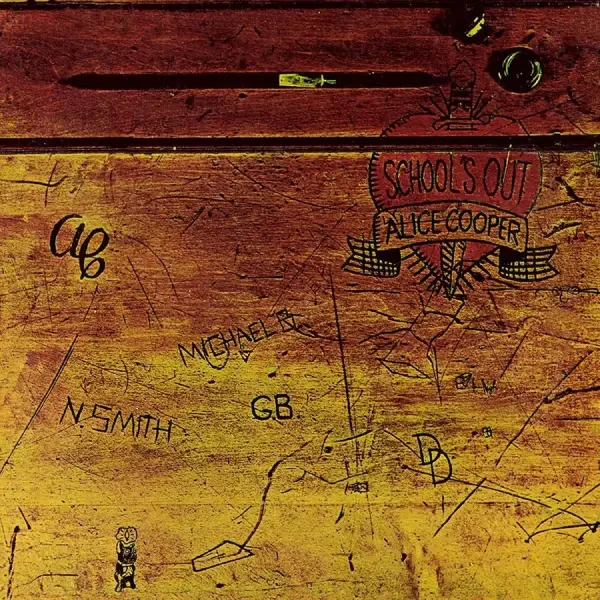
Cooper and his band ride that thin line between chaos and craft, throwing together Broadway kitsch, garage rock grime, and teenage desperation with the glee of kids setting off fireworks in the principal’s office.
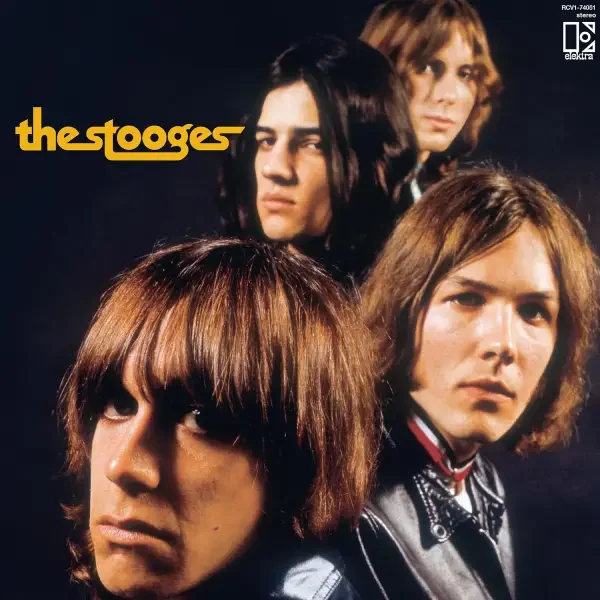
The Stooges snarled its way into rock history with feedback, boredom, and raw nerve. It didn’t invent punk—it just ripped the walls down and dared you to call it music. Still a glorious mess, still impossible to ignore.
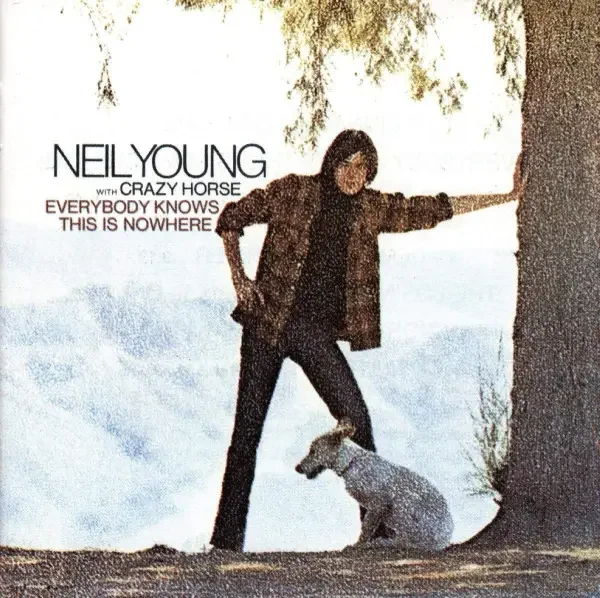
Everybody Knows This Is Nowhere introduced Neil Young’s collaboration with Crazy Horse, whose gritty, electric backing brought a new energy to his music. The album’s mix of folk, rock, and extended jams laid the foundation for grunge and alt-rock, cementing its status as a timeless and transformative work in rock history.
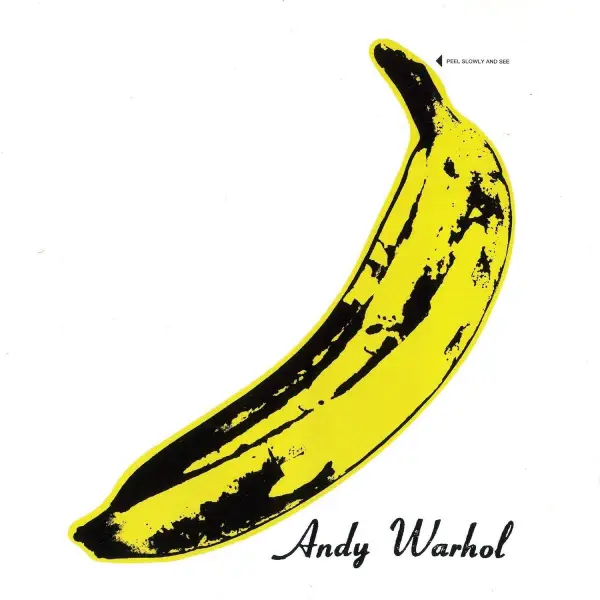
The Velvet Underground & Nico delivers stark songwriting through mood, repetition, and emotional clarity. The album’s power rests in its discipline and resolve, presenting desire, detachment, and tension without concession or ornament.
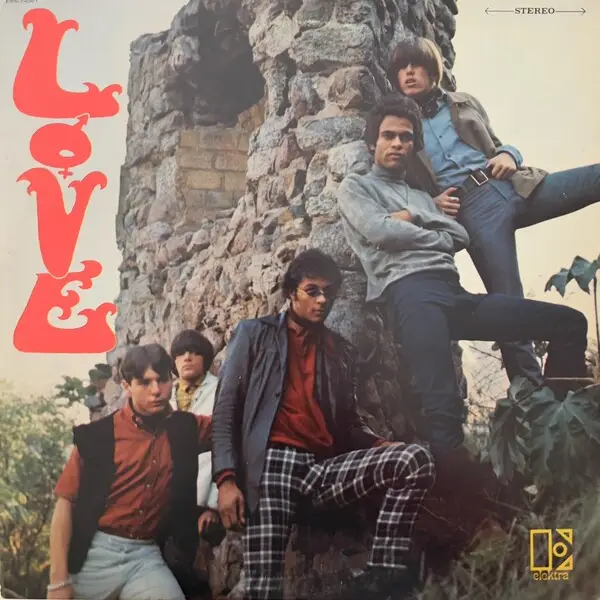
Love delivers sharp songs with purpose and attitude. The album favors momentum, clear writing, and confident performances. Its power comes from focus and nerve, presenting direct emotions without decoration or drift.
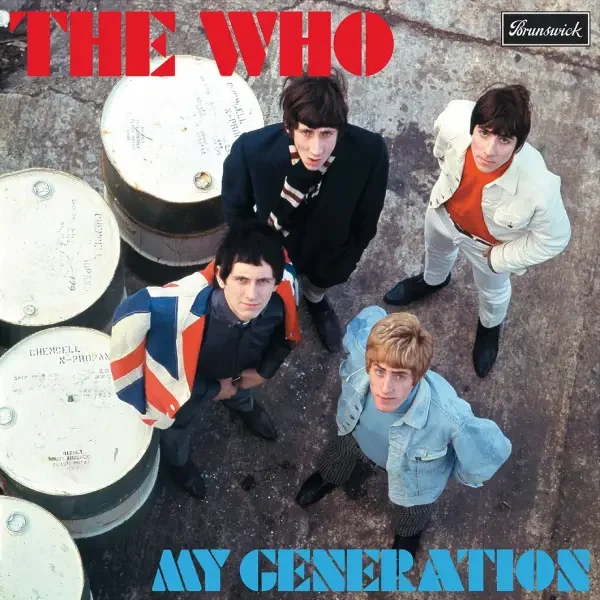
The Who – My Generation My Generation is a detonation. Released in 1965, it captured the crackling electricity of youth discovering its own volume for the first time. The Who kicked the door open, amplifiers howling, feedback screaming, and attitude pouring out like jet fuel. This was rebellion before it was marketable, fury before it…