Slint – Spiderland
Spiderland defines post-rock through skeletal riffs, precise dynamics, and spoken-word tension. Slint transform minimal arrangements into towering emotional arcs, proving that restraint can be as powerful as volume.
Disclosure: As an Amazon Associate we earn from qualifying purchases.

 Post-hardcore pushes punk’s raw edge into more exploratory territory, keeping the force and urgency of its hardcore roots while branching into varied sonic landscapes. It favors dynamics over predictability—angular guitars, sudden shifts in tempo, and emotionally unfiltered vocals clash and blend in deliberate disarray. The aggression doesn’t vanish; it mutates into something more nuanced, something that uses tension not just as a blunt force, but as a tool for atmosphere and introspection. Rhythm sections grow more elastic, guitars shift between dissonant bursts and melodic fragments, and lyrics often drift into the abstract or deeply personal.
As the genre matured, it absorbed influence from outside the punk orbit—at times sounding like post-punk run through a distortion pedal, or indie rock with a short fuse. Some bands veered into minimalism or dense noise; others added a dramatic or even theatrical sensibility. What links them isn’t a uniform sound but a shared intent: to keep pushing against the boundaries of what punk can express. Post-hardcore doesn’t settle—it fractures, rebuilds, and then breaks itself again, always pushing at the edge of structure while holding on to the spark that lit the original fuse.
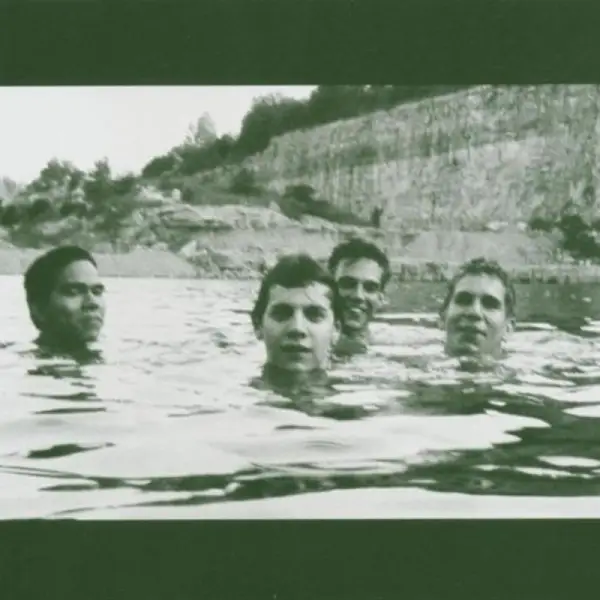
Spiderland defines post-rock through skeletal riffs, precise dynamics, and spoken-word tension. Slint transform minimal arrangements into towering emotional arcs, proving that restraint can be as powerful as volume.
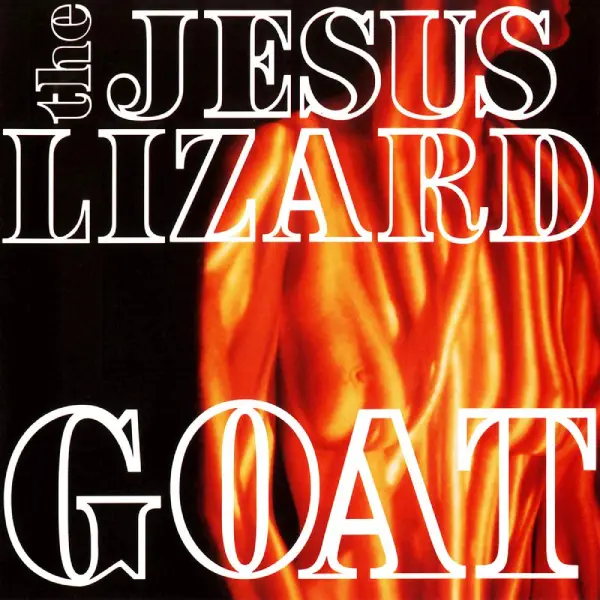
Goat captures The Jesus Lizard at their most focused and confrontational, using repetition, discipline, and raw performance to create relentless tension. The album thrives on physicality and intent, delivering rock music that feels confrontational and unfiltered.