
 Latin rock pulses with rhythm that predates the electric guitar but finds new life through it. This fusion draws on folk traditions from across the Americas—percussive roots, vibrant horn lines, and storytelling passed through generations. Rather than mimic mainstream structures, it reshapes them, pairing the drive of rock instrumentation with regional melodies and cadences. The genre doesn’t settle into one sound or language, but instead moves with a beat born of border crossings, both literal and sonic.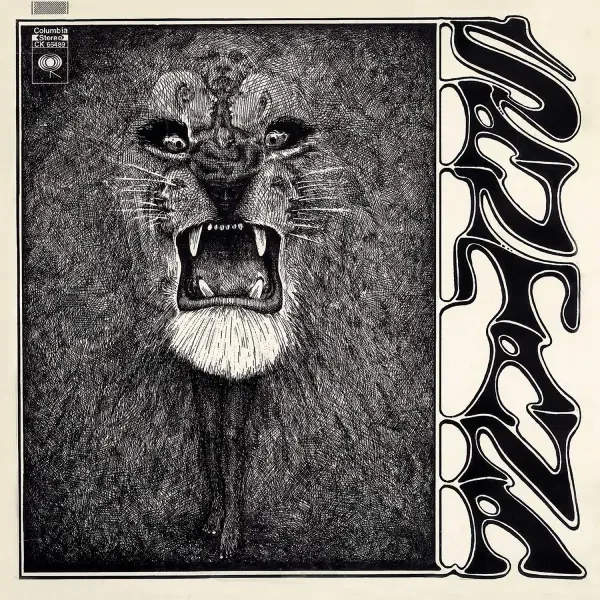
Santana – Santana
Santana’s self-titled debut album is a groundbreaking fusion of Latin rhythms, blues, and rock. The album introduced the world to Carlos Santana’s virtuosic guitar playing and the band’s innovative sound, blending percussive grooves with electric energy.