 Emerging from a collision of rhythm-driven traditions and twangy rural strains, rock and roll arrived with a swagger in postwar America. It borrowed its engine from gospel shout and blues grit, fusing it with country swing and jump rhythms to create something feral, unruly, and contagious. Early recordings had been pointing in this direction for years, but it wasn’t until the mid-’50s that the sound got a name and a cultural foothold. It didn’t need permission—it just showed up, loud and magnetic, in jukeboxes and dance halls, riding a backbeat that wouldn’t quit. The piano or saxophone often led the charge, until the electric guitar carved out its own place in the spotlight.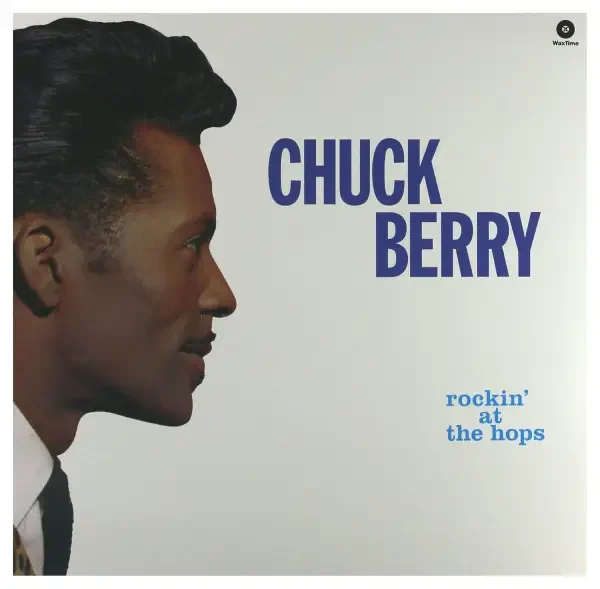
Chuck Berry – Rockin’ at the Hops
Chuck Berry’s Rockin’ at the Hops is sharp, swaggering rock ’n’ roll—packed with tight riffs, clever wordplay, and teenage blues. It’s Berry in peak form, blending rhythm and rebellion with effortless cool. A blueprint for generations to come.